The 17th-Century Kitchens of Saint-Pierre Castle
A Hidden History Beneath the Museum Floor
Estimated reading time
4
An underground space excavated nearly three meters into the rock, sealed off by 19th-century restorations and forgotten beneath the Museum halls: the story of the Roncas kitchens at Saint-Pierre Castle.
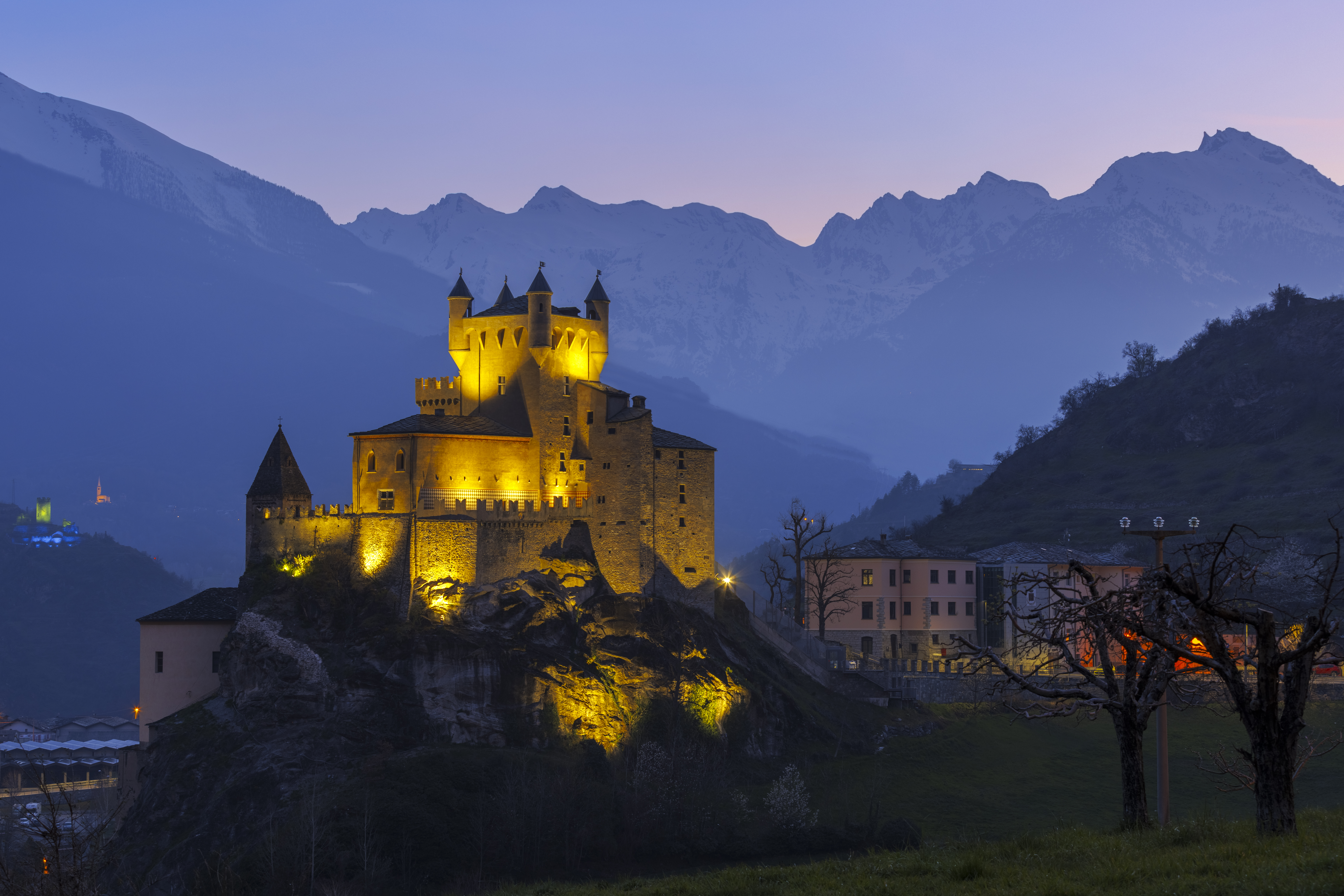
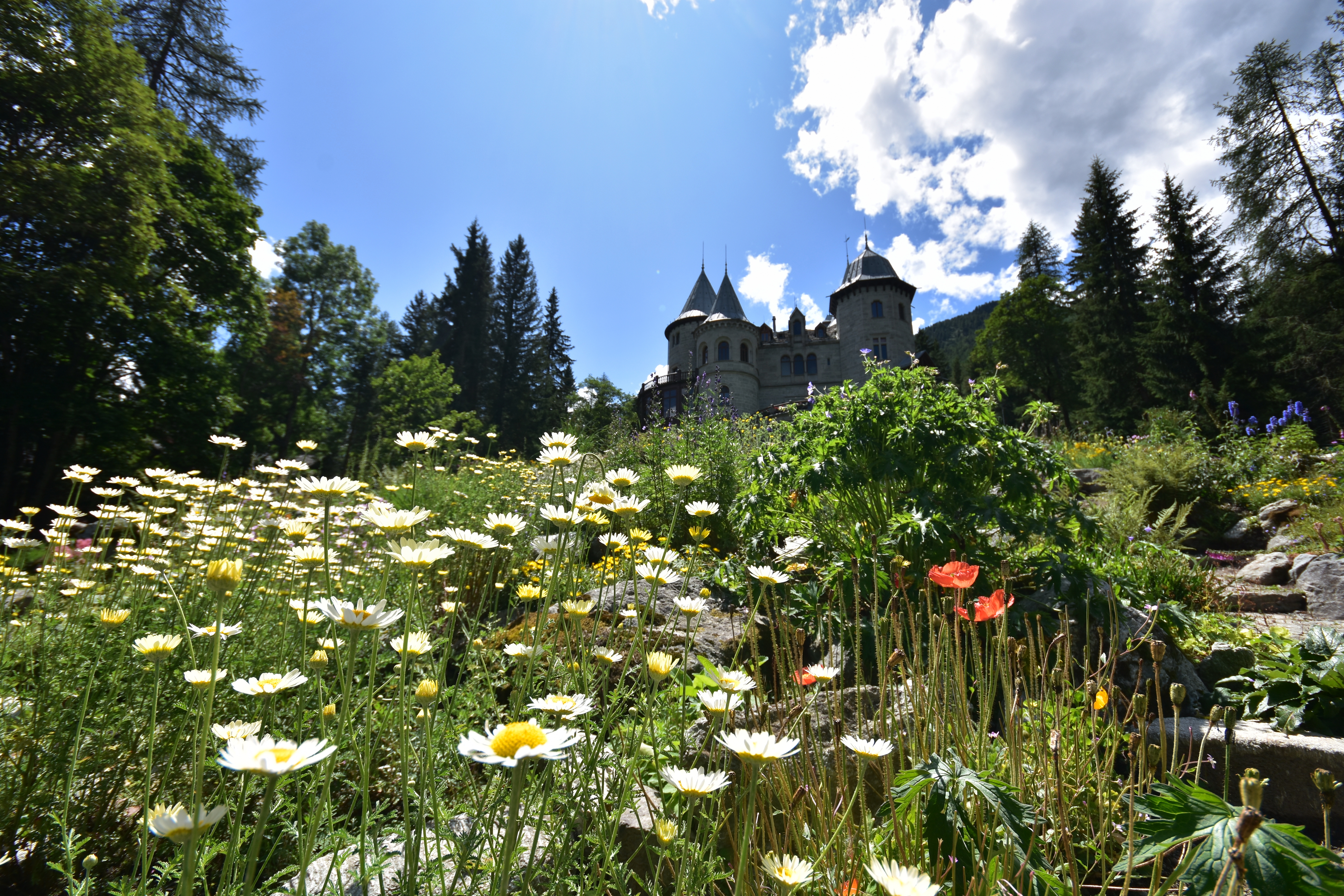
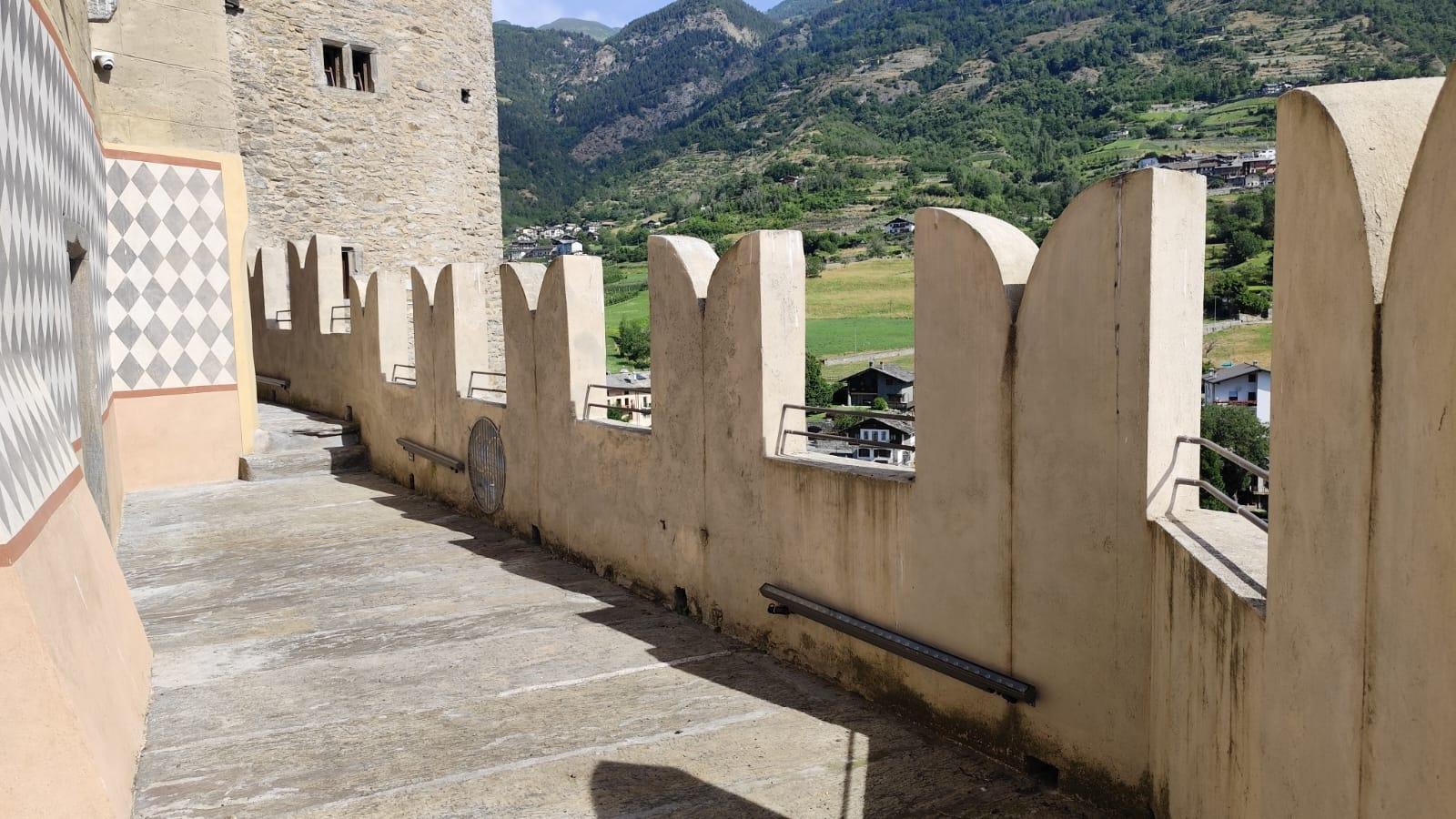
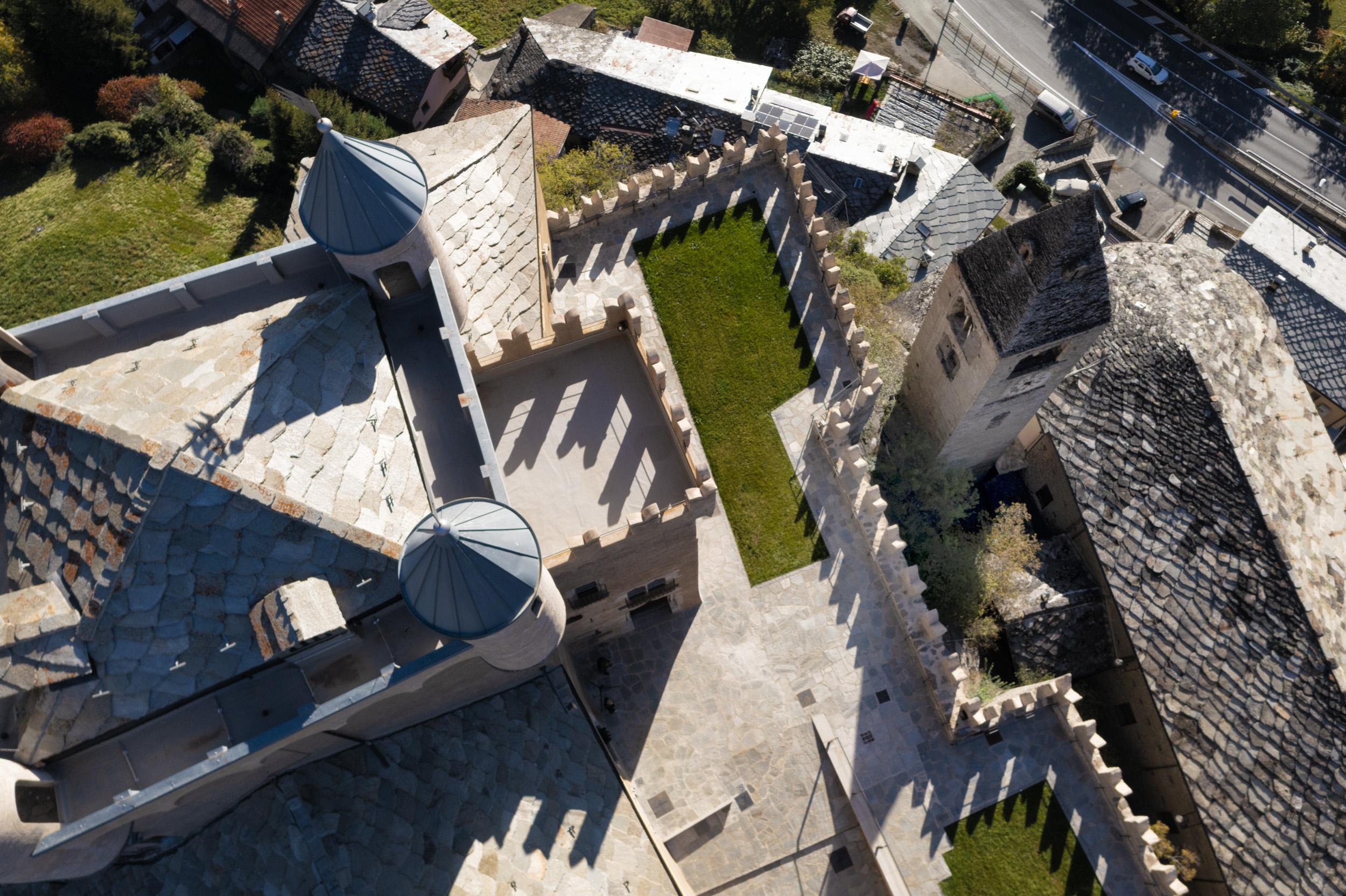
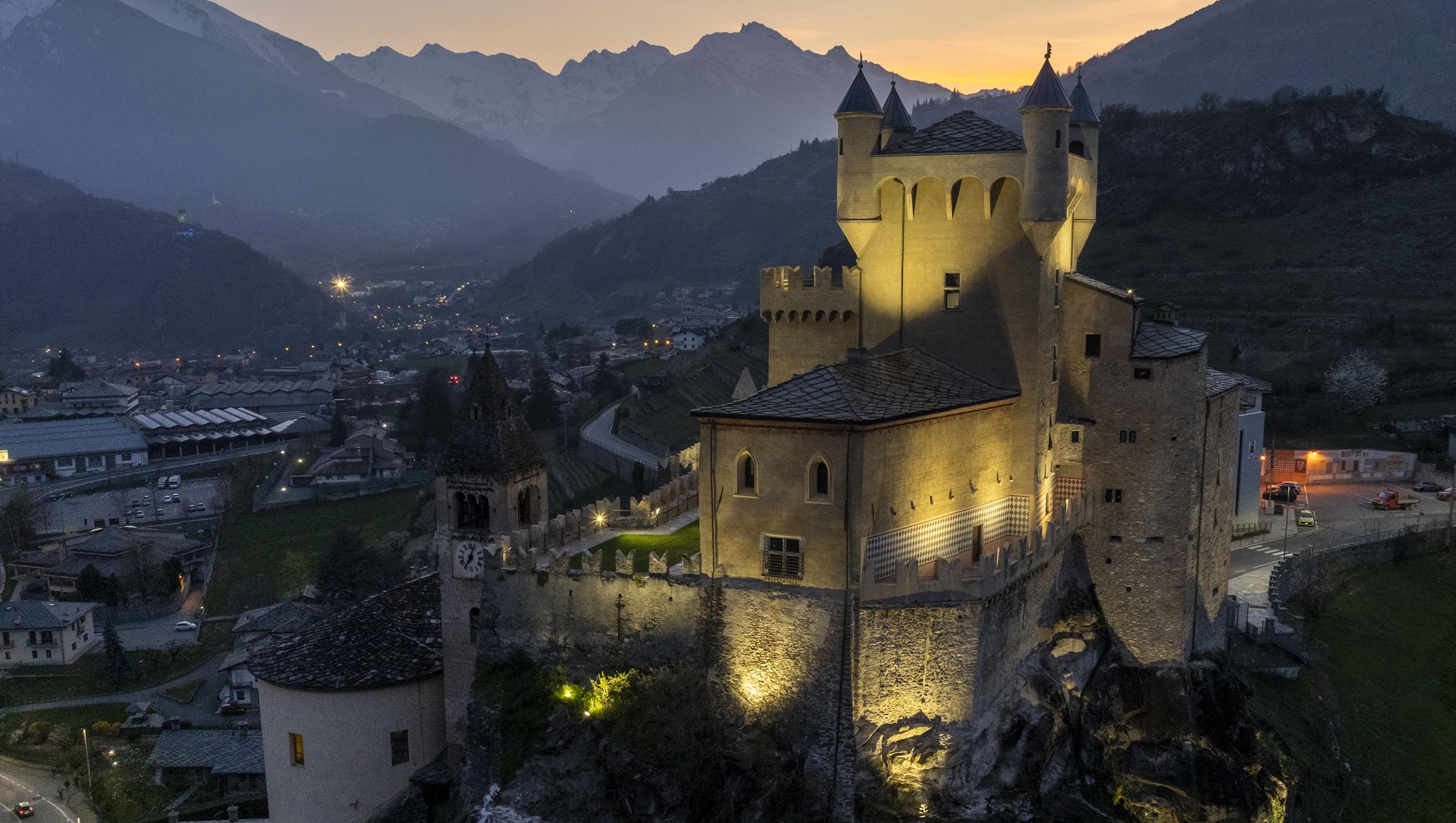
There are stories that a castle hides right beneath the feet of its visitors. At the Efisio Noussan Regional Museum of Natural Sciences in Saint-Pierre, one of these stories lies literally under the floor: a hypogean space excavated entirely in the rock, to a depth of nearly three meters, closed and forgotten by the 19th-century restorations that transformed the castle into the fairytale residence we see today.
The 17th Century: The Roncas Family and the Castle Court
To understand what a cellar excavated in the rock was doing beneath the castle halls, we must go back to the 17th century. During that period, Saint-Pierre Castle was in the hands of the Roncas family, one of the most influential in medieval and modern Aosta Valley. Pietro Filiberto Roncas had expanded and transformed the castle into a stately residence, organizing feasts and banquets that required an adequate service infrastructure.
A court that hosted banquets needed kitchens. And functioning kitchens required a space to store supplies: meats, wine, cheeses, grains. The deeper into the rock, the more constant the temperature, and the better the preservation. The cellar excavated beneath what is now a Museum hall was the logistical heart of the 17th-century castle.
Traces of the Excavations
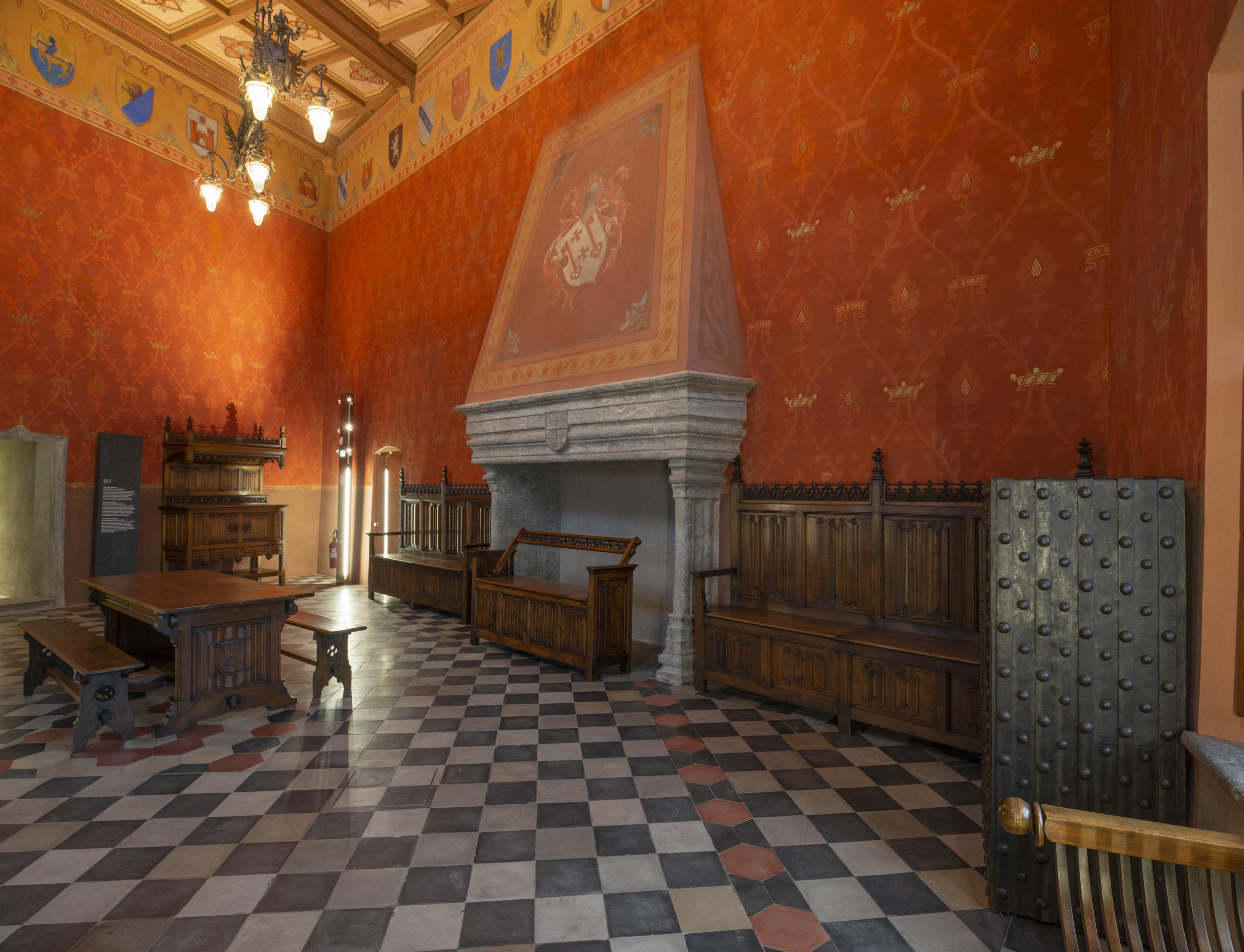
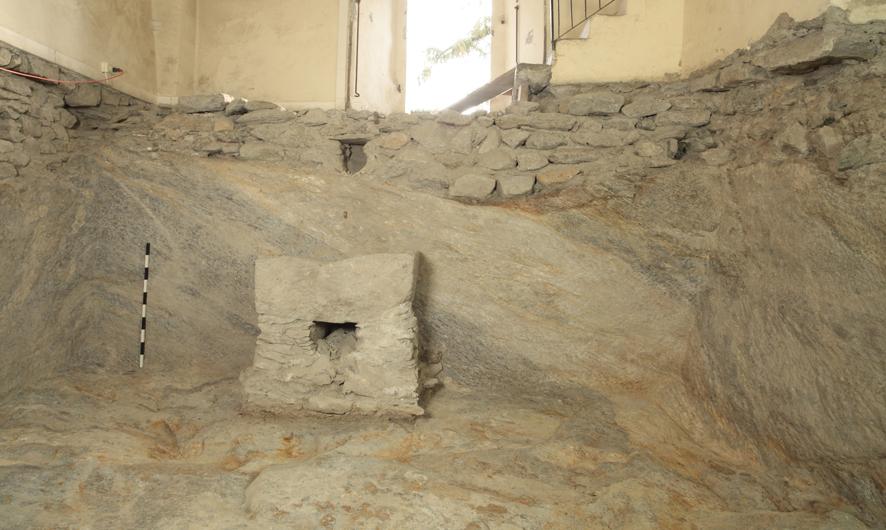
Archaeological excavations conducted during the restoration and adaptation of the castle into a museum venue have made it possible to reconstruct this history. In the current room, a large fireplace emerged in a different position from the 19th-century one we see today. The position and dimensions of that original fireplace are consistent with a kitchen function: a large hearth, suitable for cooking food for a significant number of diners.
Beneath the floor of the same room, the hypogean space is preserved: a space completely excavated in the rock to a depth of nearly three meters, originally vaulted with a structure that did not survive subsequent transformations. Its function as a cellar is suggested by its location, depth, and the type of excavation: the rock provided natural thermal insulation, maintaining cool and constant temperatures even during the summer months.
19th-Century Restorations and the Closing of the Cellar
When Federico Emanuele Bollati purchased the castle in 1873 and entrusted the restoration work to engineer Camillo Boggio, the transformation was radical. The goal was to create an elegant residence in the Romantic Neo-Gothic style, inspired by the castles of the Rhine Valley. The medieval kitchens did not fit this vision: the service areas of the 17th-century castle were reconfigured, the grand original fireplace was replaced with a more decorative one, and the cellar was walled up and sealed beneath the new floor.
The process of removing traces of the castle’s daily life was a deliberate aesthetic choice: Bollati wanted a castle that looked like it came out of a fairytale, not a kitchen. The history hidden beneath the floor is the price of that choice.
What Remains
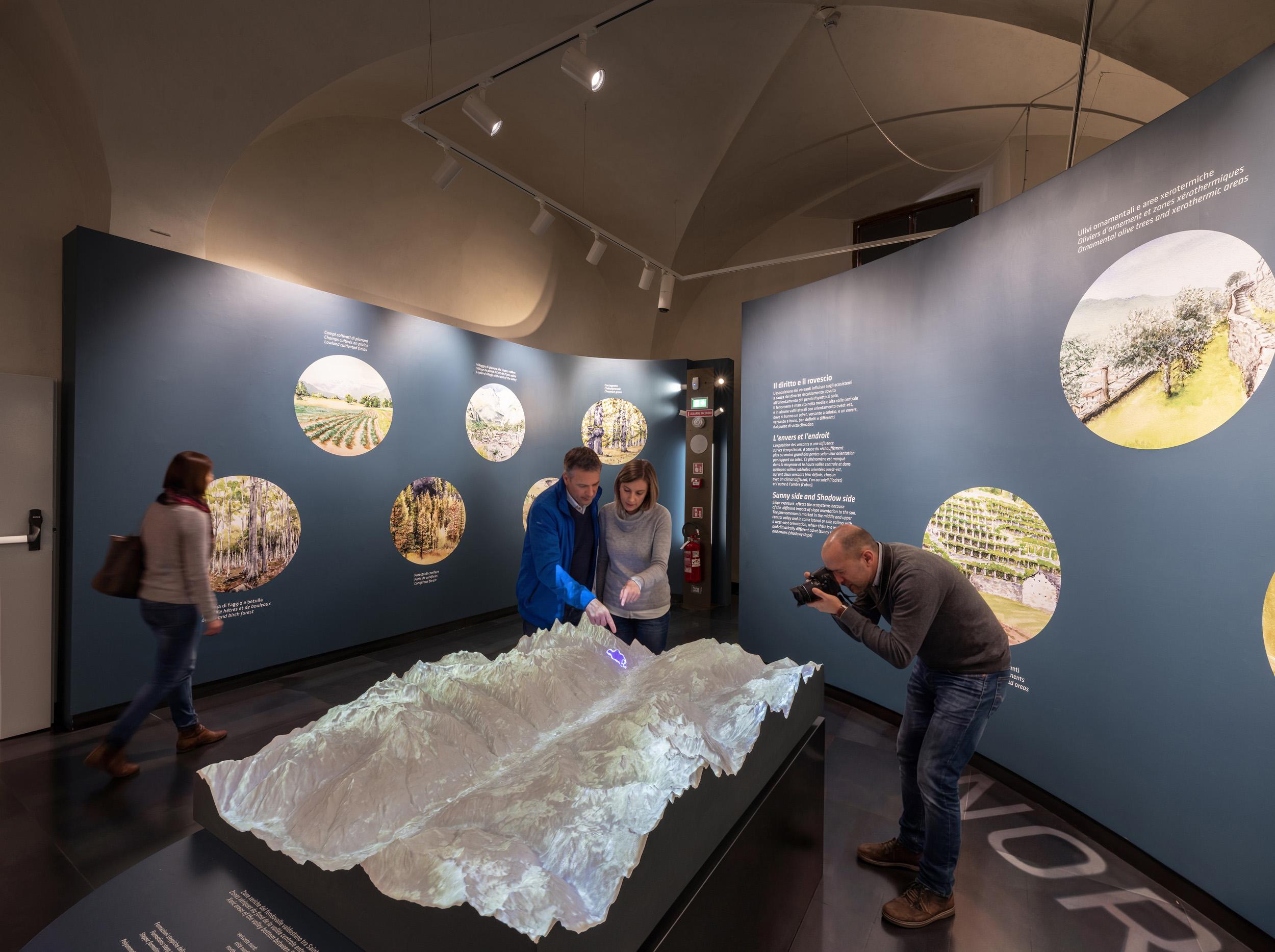
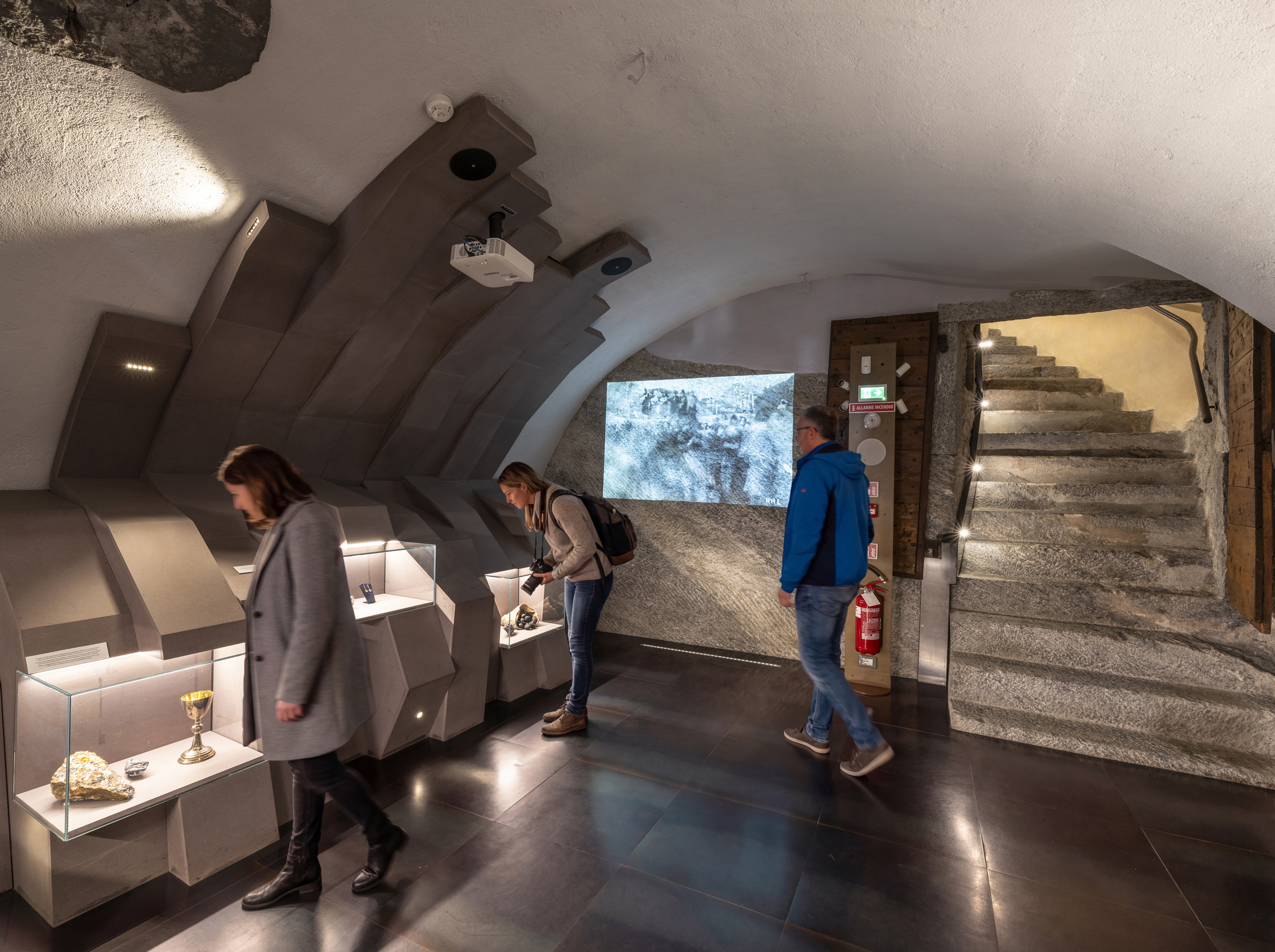
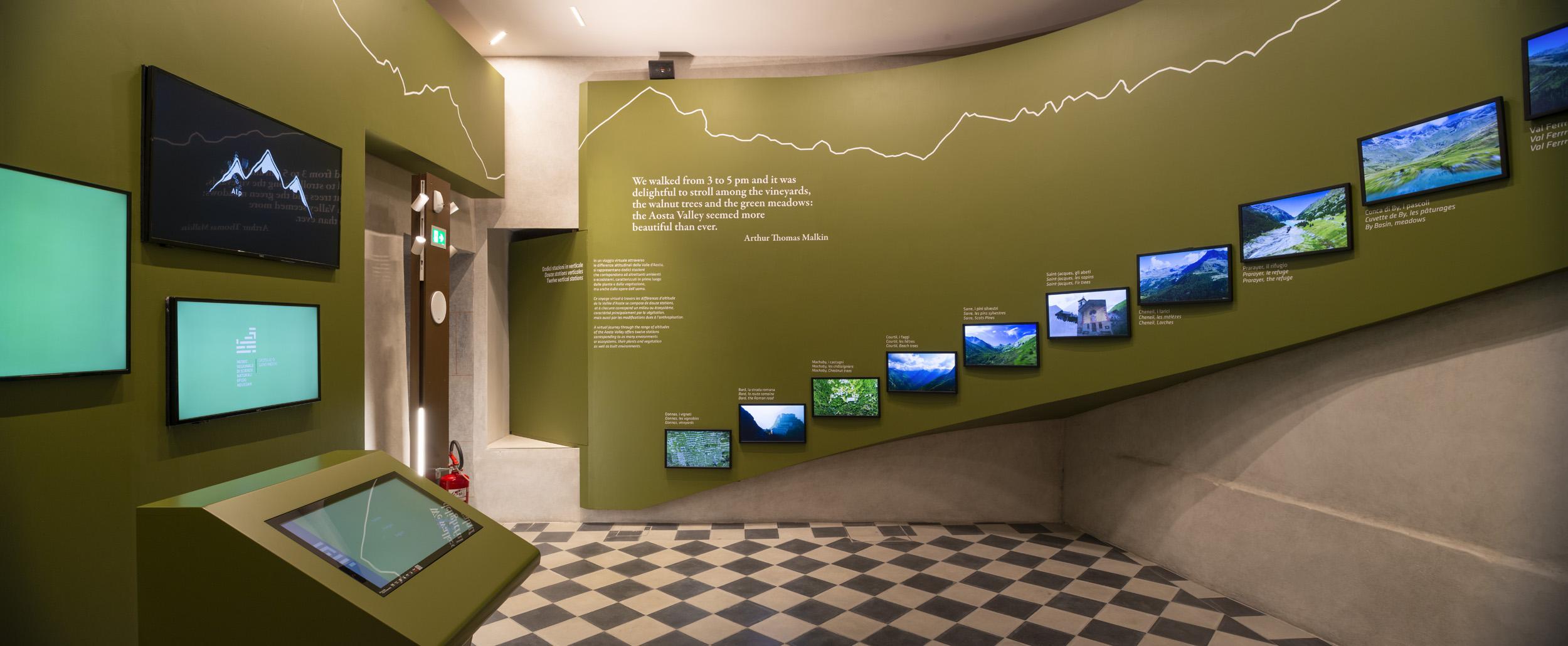
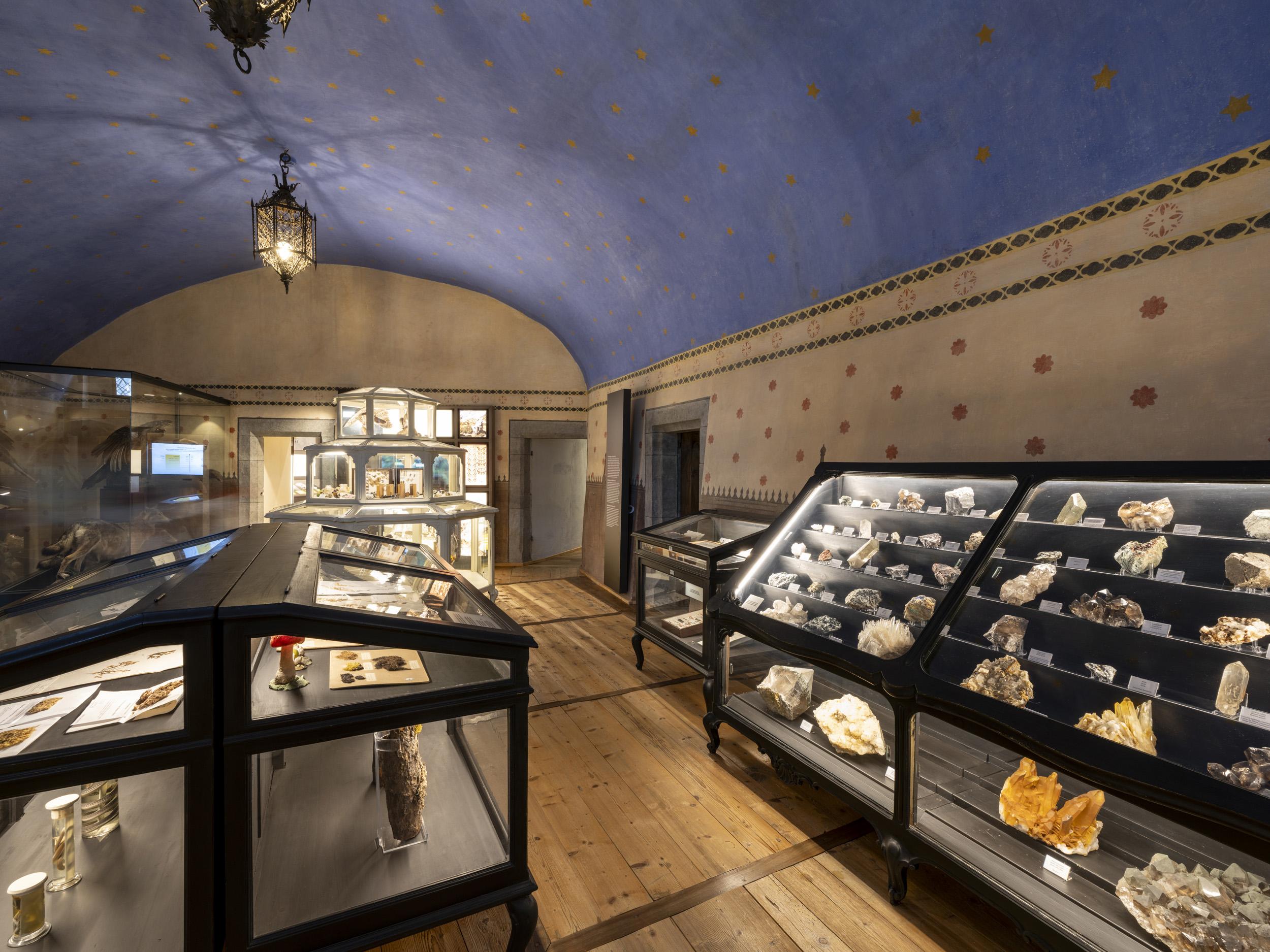
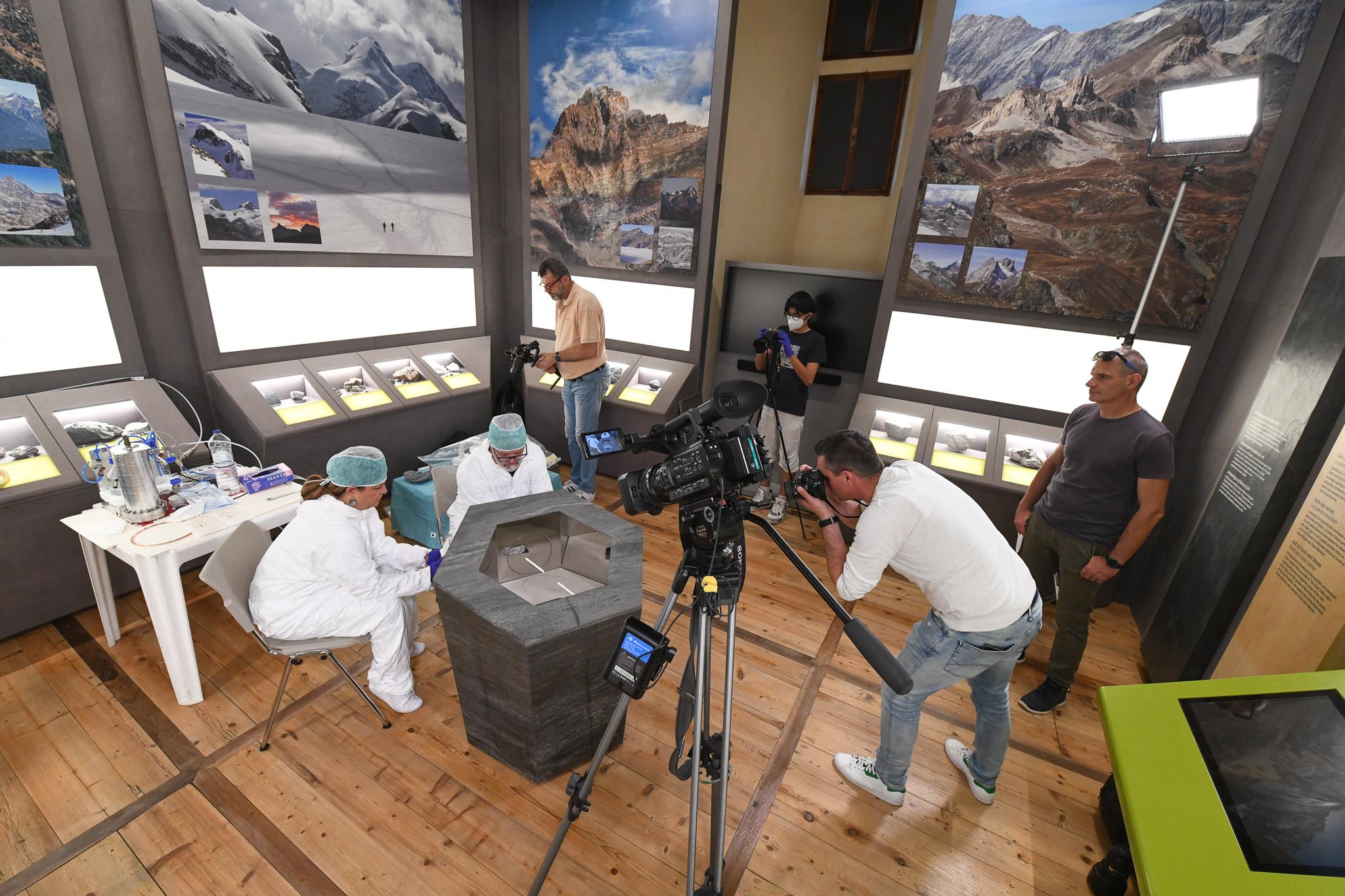
Today the cellar is still there, beneath the feet of visitors walking through the montain slopes room. It is neither accessible nor open to visitors. However, it is documented: excavations have defined its dimensions and depth, and the historical panel in the room tells this story to anyone who stops to read it.
It is one of the many layers that make up Saint-Pierre Castle: a building that, beneath the romantic surface desired in the 19th century, preserves traces of much more concrete and far less fairytale-like existences.
Photo: Archive RAVA Department BBCC