The learned abbés
The clergy who built the scientific culture of the Aosta Valley
Estimated reading time
8
Between the 19th and 20th centuries, an extraordinary group of Aosta Valley clergymen reconciled faith and science, building collections, herbaria, and institutions that still form the foundation of the Efisio Noussan Regional Museum of Natural Sciences today.
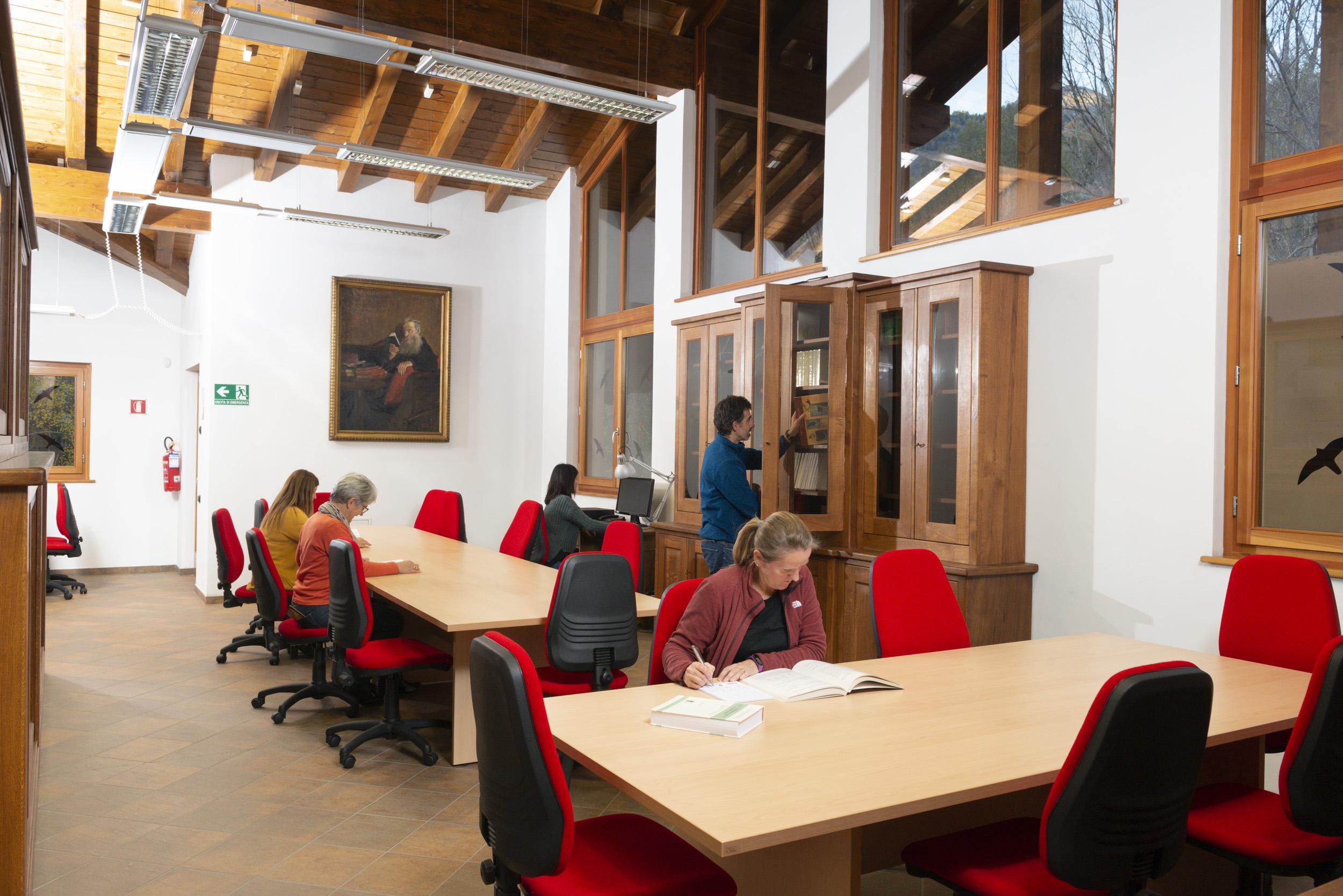
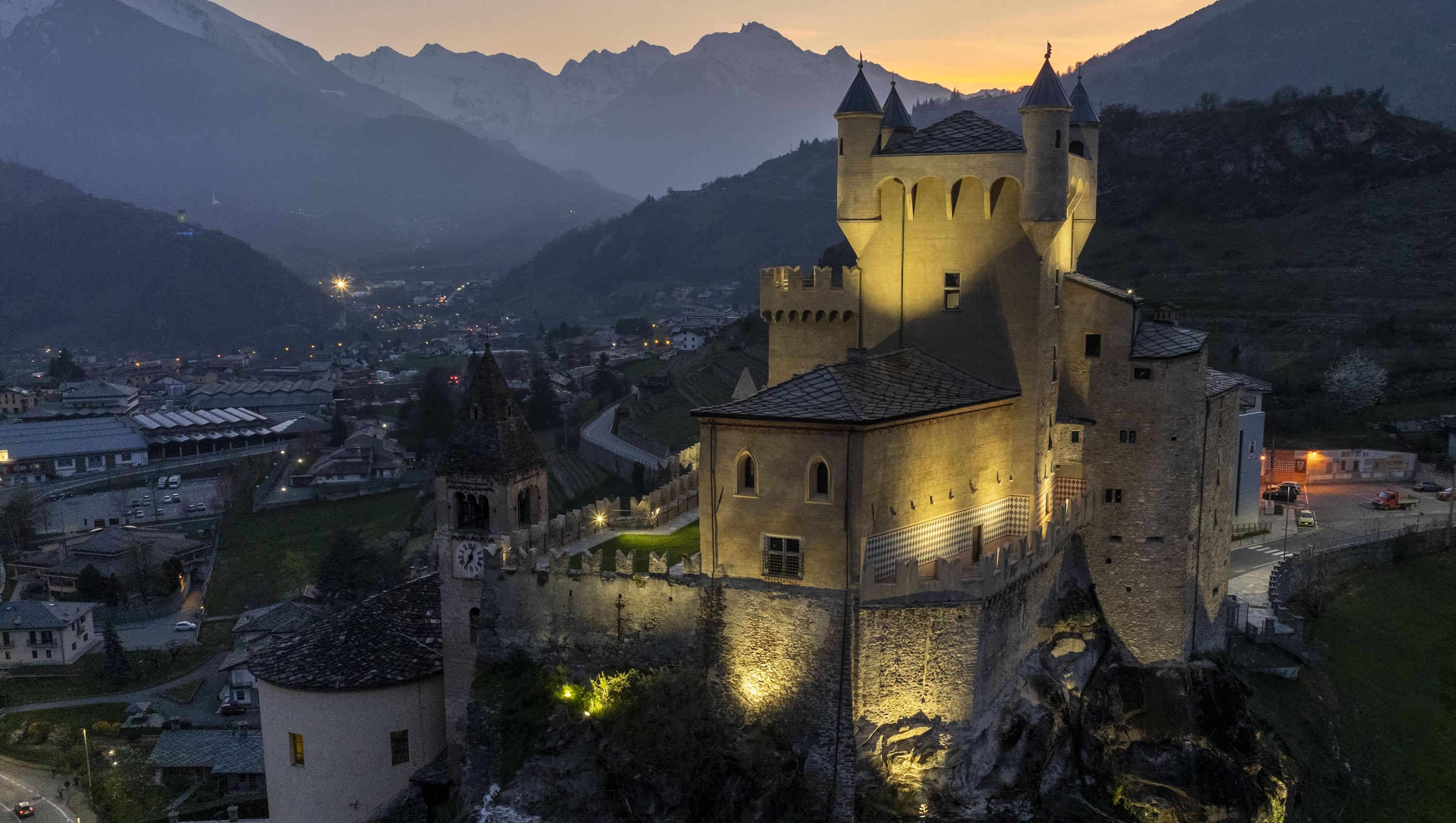
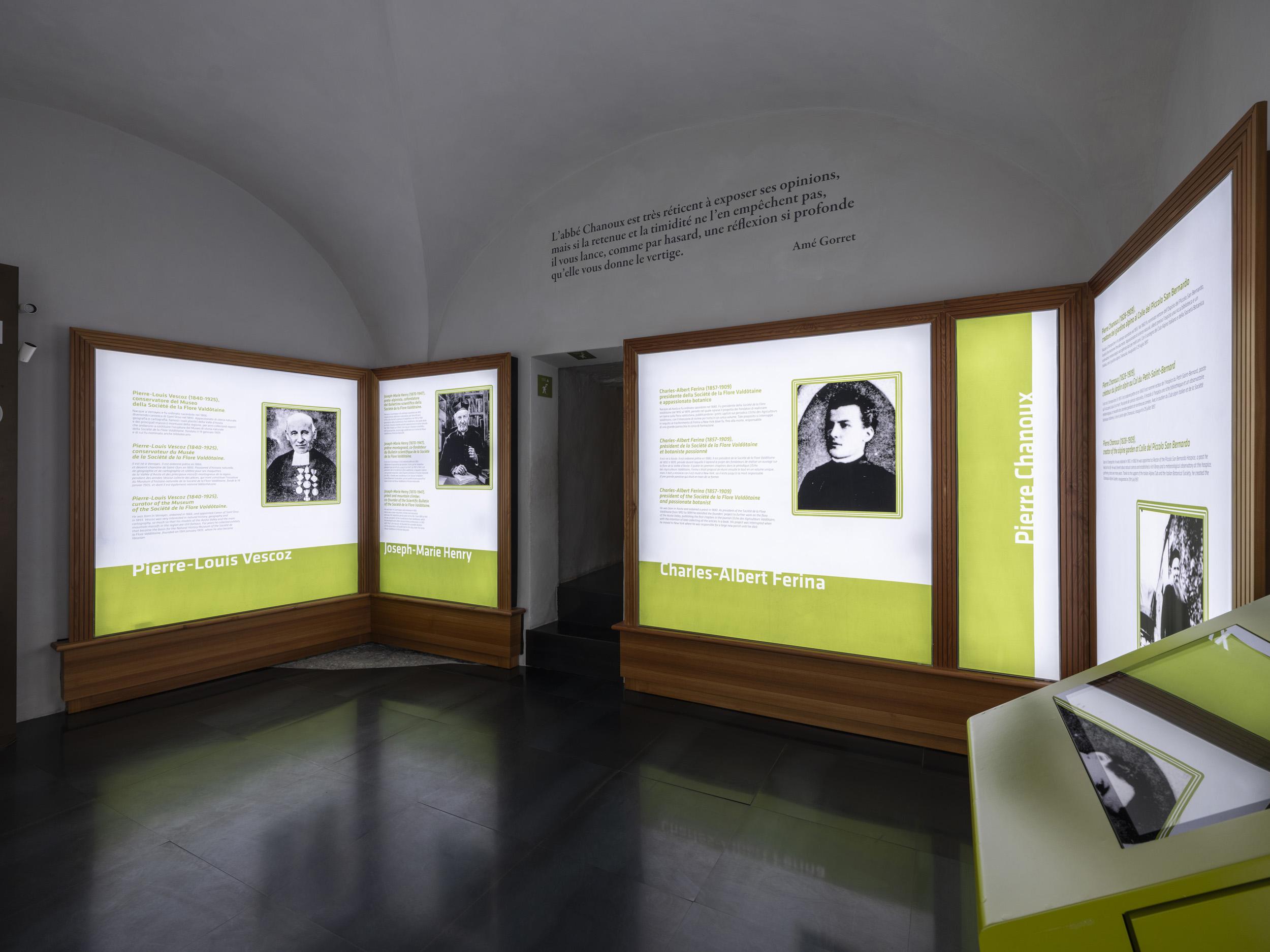
There is a thin but resilient thread running through the cultural and scientific history of the Aosta Valley from the 19th century to the present day. That thread bears the names of men in cassocks who, between one Mass and the next, climbed mountains with notebooks in hand, collected minerals and plants, wrote scientific articles, founded associations, and built collections destined to outlive them. They were called abbés savants, or learned priests. Their legacy is still visible today in every room of the Efisio Noussan Regional Museum of Natural Sciences in Saint-Pierre.
A European cultural phenomenon
The abbés savants were not an invention of the Aosta Valley. Between the 18th and 19th centuries, Catholic clergy throughout Europe played a leading role in the development of the natural sciences. At a time when universities were few and secular scientific institutions were still taking shape, religious figures were often the only people with access to education, the free time necessary for research, and the international networks that enabled the circulation of knowledge.
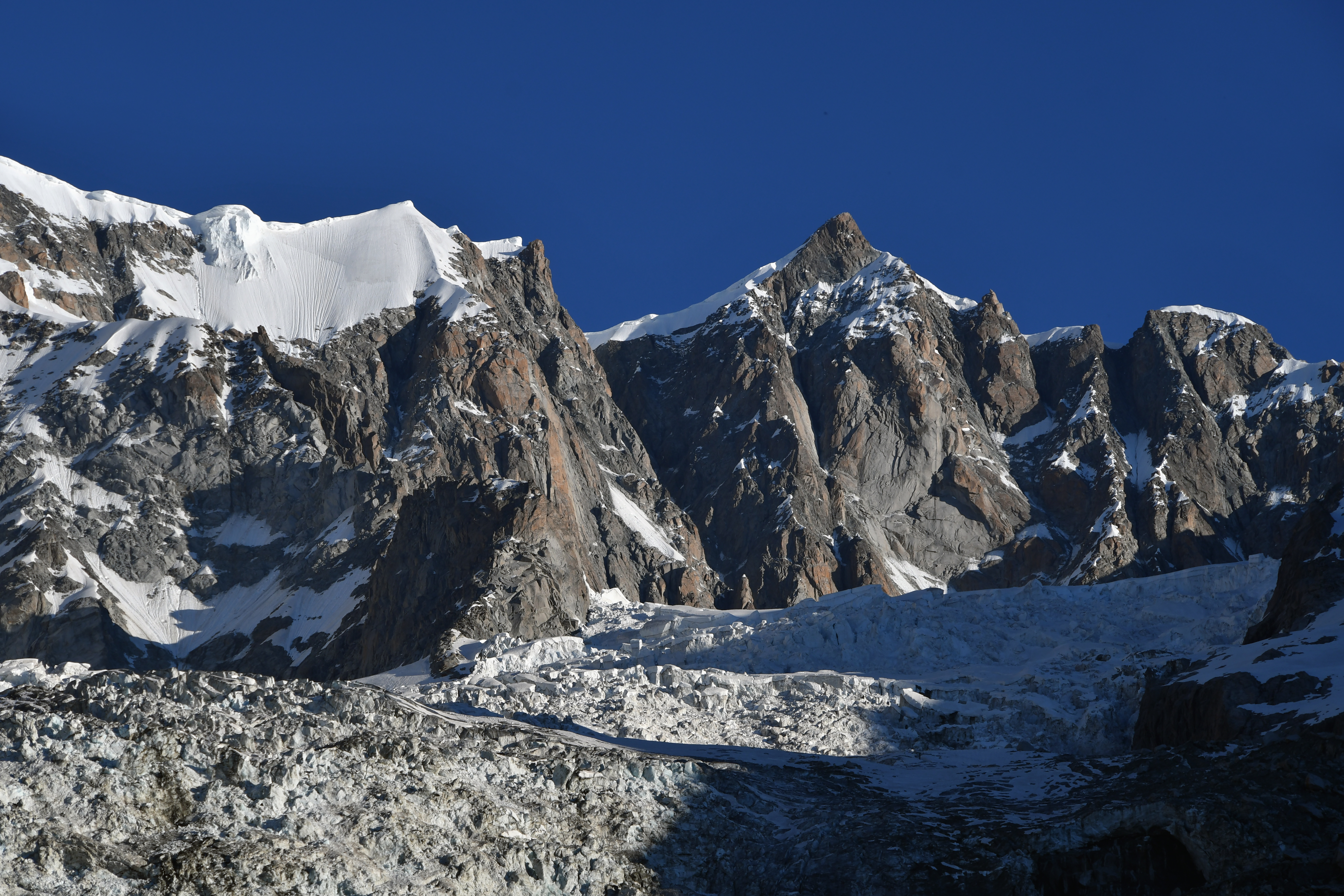
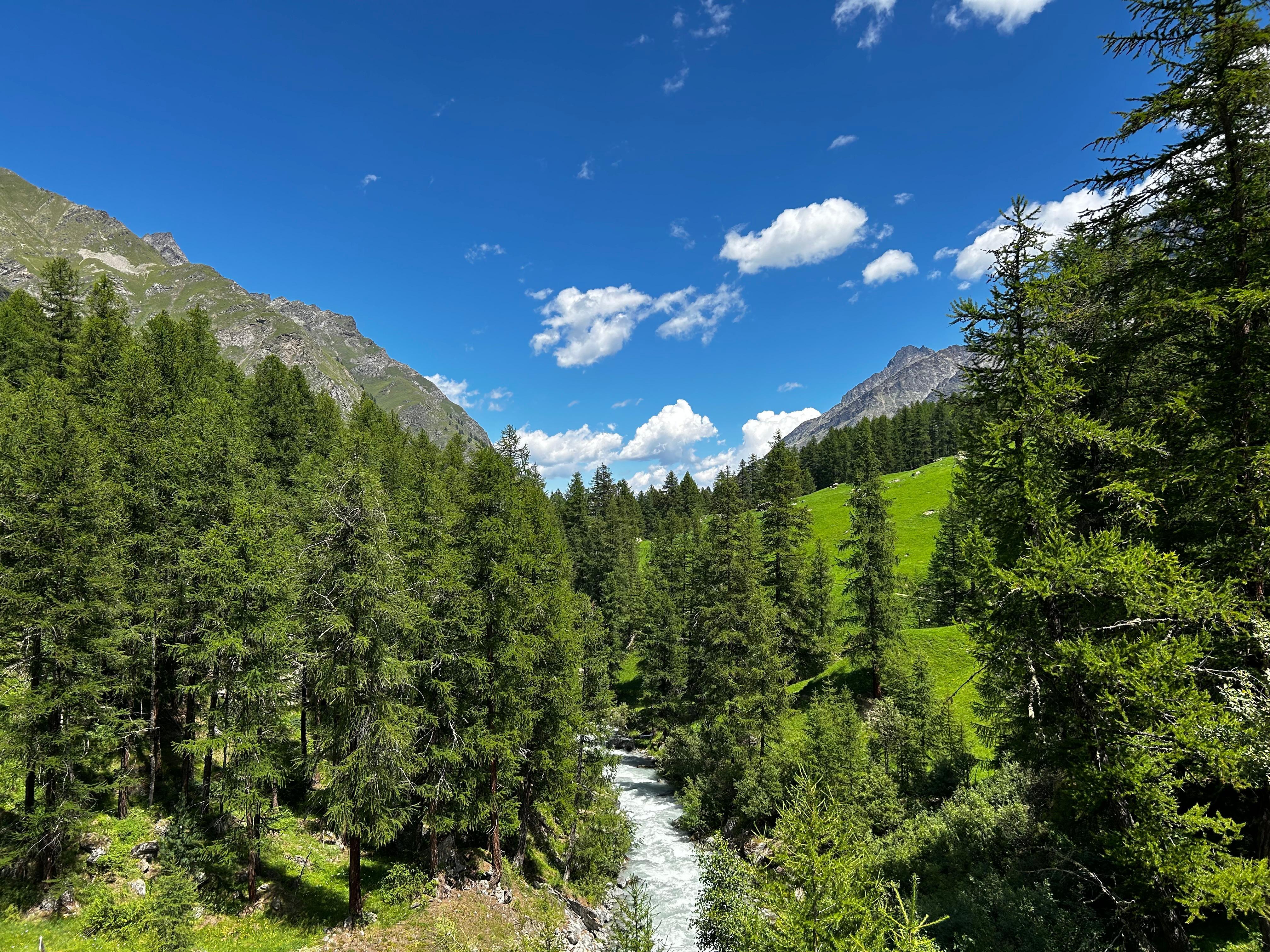
In the Aosta Valley, this phenomenon took on particularly intense characteristics due to the region’s unique nature. The Alpine environment offered a rich field of investigation for botany, geology, zoology, and meteorology, disciplines that were rapidly expanding throughout the 19th century. The canons of Aosta Cathedral, parish priests in the side valleys, and teachers in seminaries and ecclesiastical colleges were often the only intellectuals present throughout the region.
The Société d’Histoire Naturelle Valdôtaine and its origins
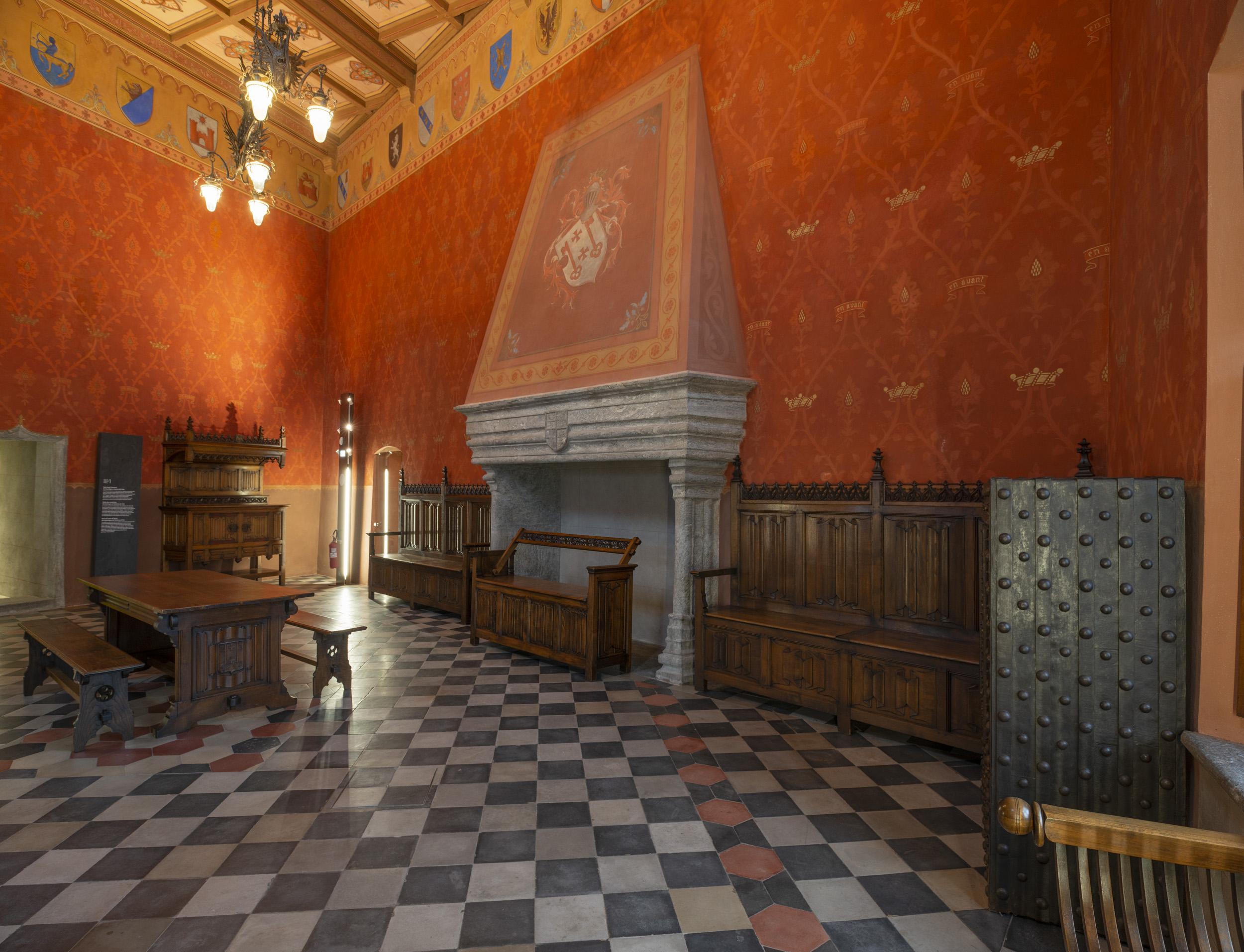
The founding moment of the Aosta Valley’s scientific tradition is conventionally identified with the establishment of the Société d’Histoire Naturelle Valdôtaine in 1858, at the initiative of a group of local naturalists gathered in Aosta. Among the association’s promoters and leading figures were two canons, Georges Carrel and Édouard Bérard, central personalities in the movement of the Aosta Valley’s abbés savants. The association aimed to systematically study the nature of the Aosta Valley in all its aspects—flora, fauna, geology, and meteorology—and to build a body of knowledge and collections that would be accessible to both the scientific community and the public. It was an ambitious project for a remote mountain region, made possible by the enthusiasm and dedication of a small group of people working under often difficult material conditions.
The method of the abbés savants
What distinguished the work of the Aosta Valley’s abbés savants was not only the breadth of their interests—ranging from botany to mineralogy, meteorology to archaeology, cartography to agronomy- but also the methodological rigor with which they approached field research. They collected specimens according to systematic criteria, carefully recording collection sites, dates, and environmental conditions. They corresponded with the leading European naturalists of their time, exchanging specimens, information, and publications. They built herbaria and mineral collections according to the most up-to-date taxonomic standards. They published the results of their research in national and international scientific journals, actively contributing to the advancement of knowledge about Alpine nature.
It was work that required time, resources, and a network of relationships that the Aosta Valley’s abbés savants managed to build and maintain despite their distance from Europe’s major cultural centers. The Great St. Bernard, Mont Blanc, and Gran Paradiso were sought-after destinations for naturalists from across Europe, and the local clergy knew how to turn this international attention into valuable opportunities for scientific exchange.
Collections as a lasting legacy
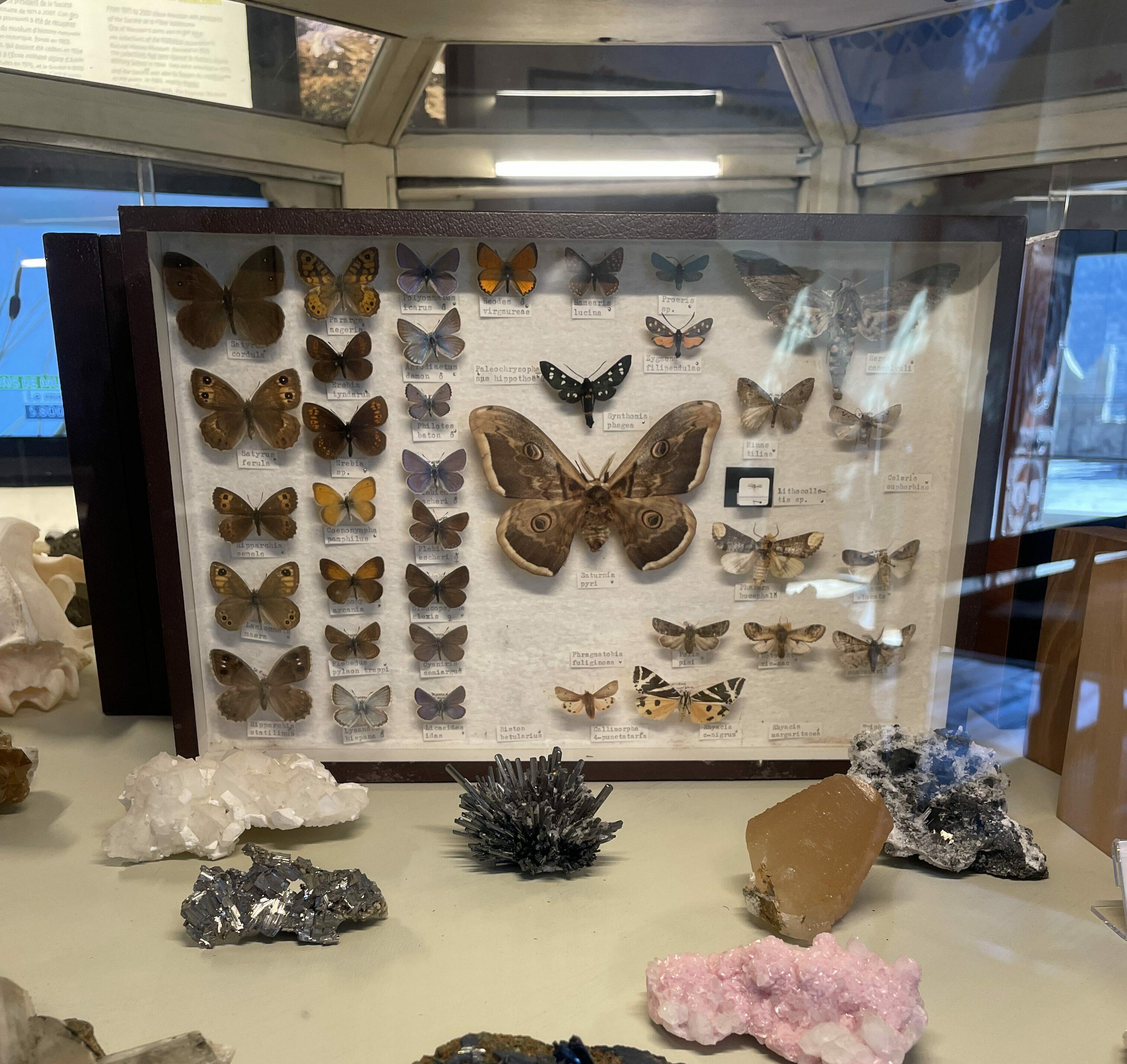
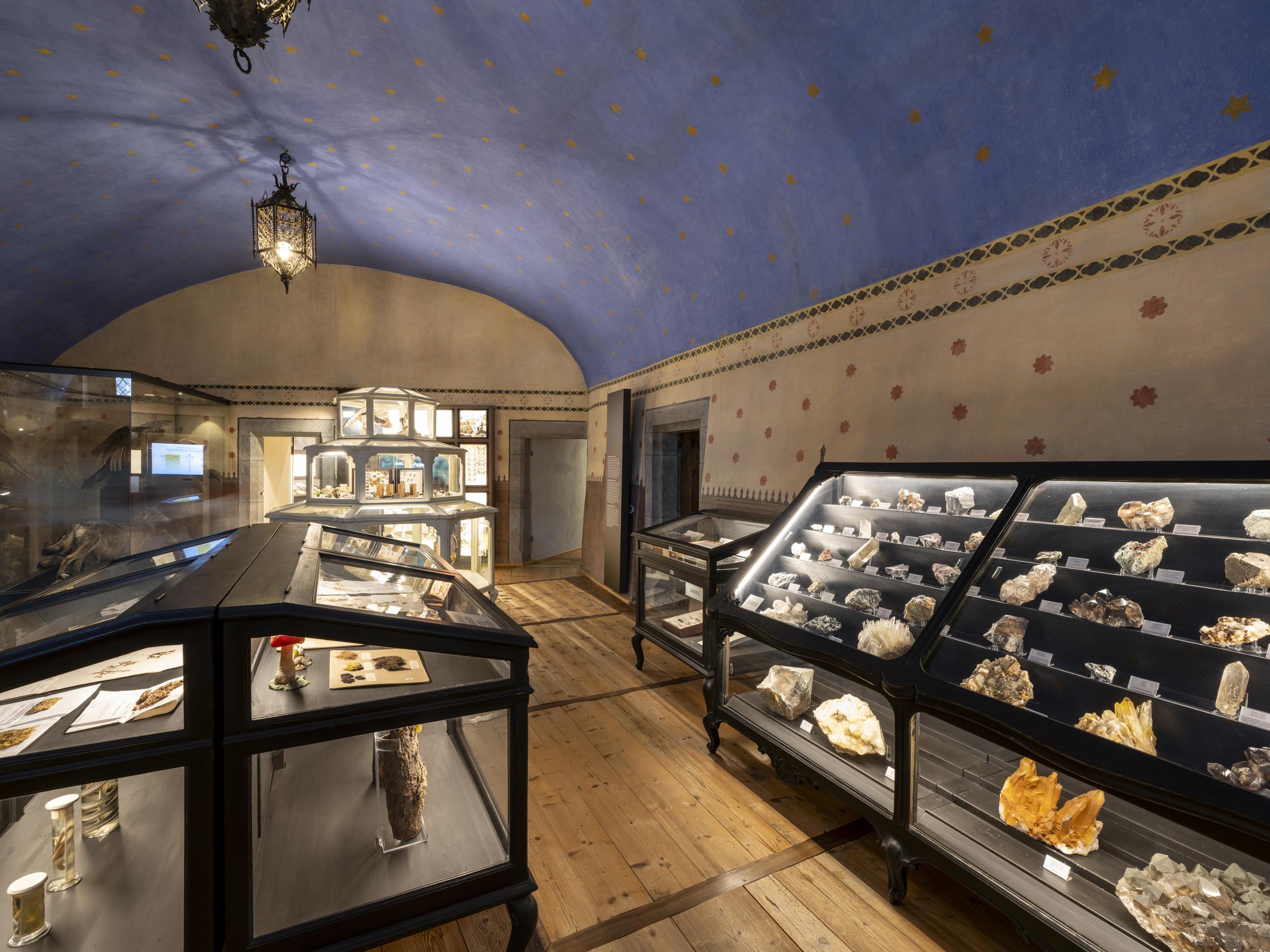
The most tangible legacy of the Aosta Valley’s abbés savants is the collection heritage they built over decades of fieldwork, which still forms the historical core of the Efisio Noussan Regional Museum of Natural Sciences.
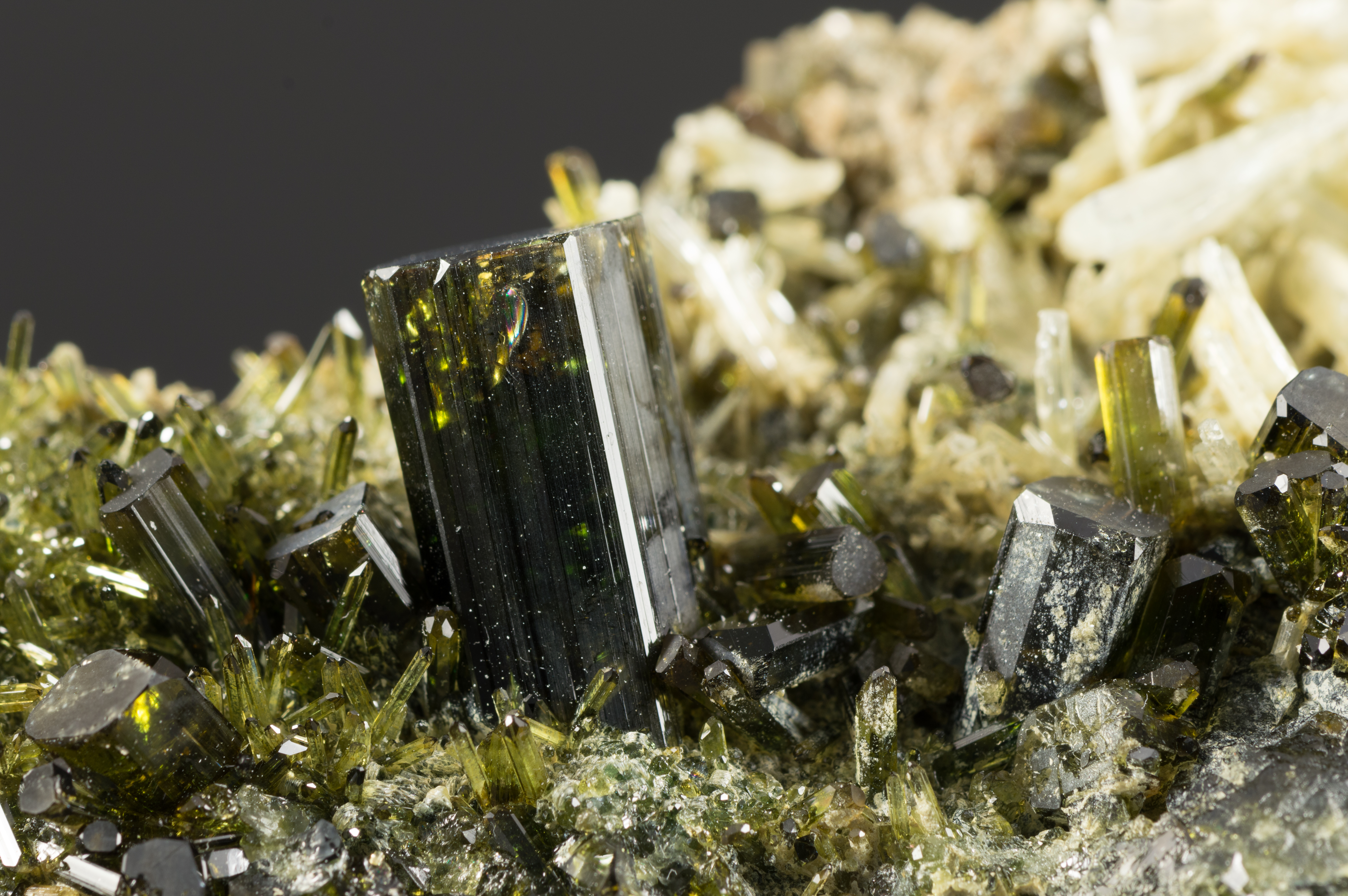
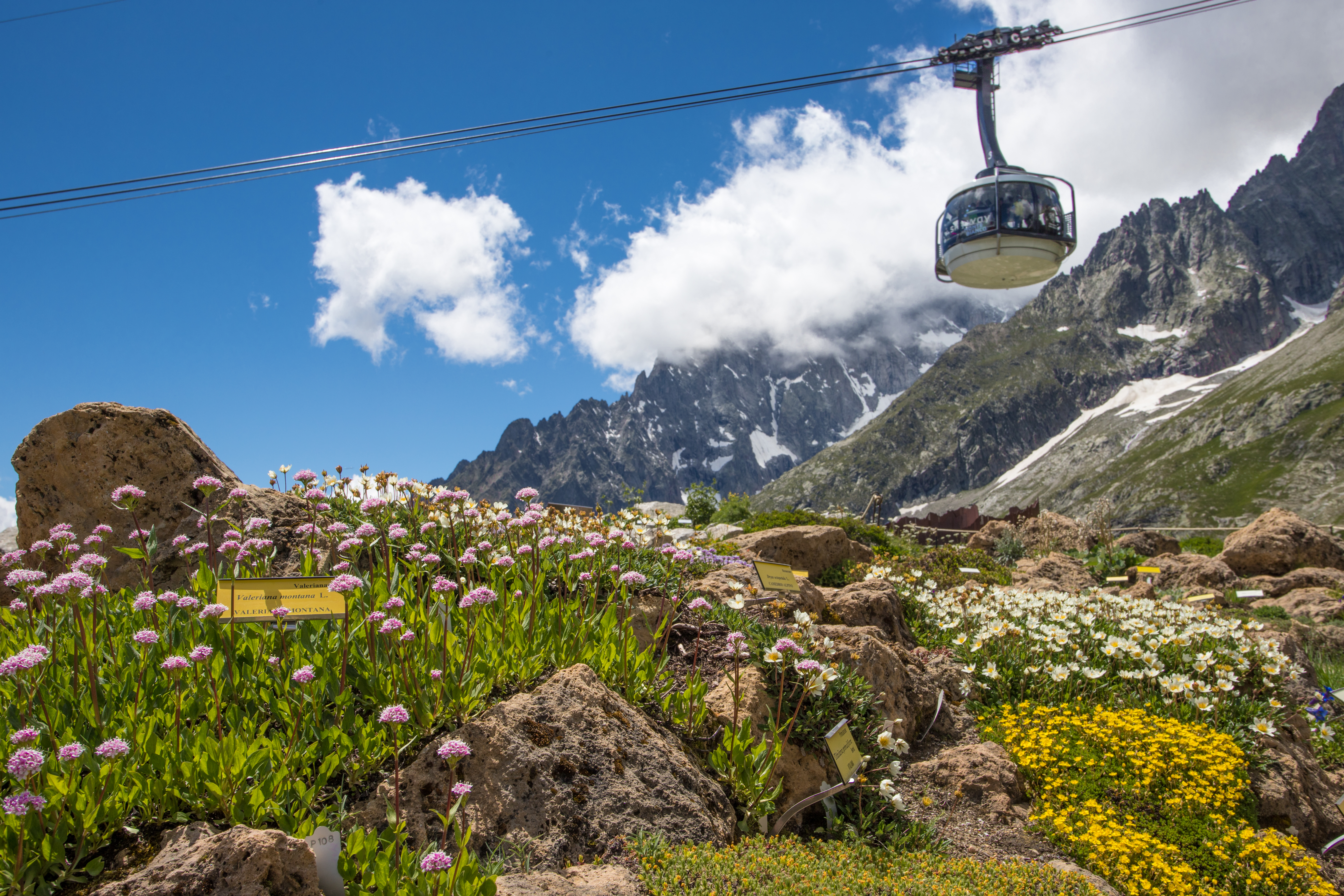
Bérard’s herbaria—the richest and best organized of their time in the Aosta Valley—Vescoz’s mineralogical and petrographic collections, and Carrel’s meteorological data and barometric measurements are materials that still retain genuine scientific value today. They serve as records of the territory at a specific historical moment and as sources of information about species distribution and the characteristics of the Aosta Valley environment before the major transformations of the 20th century.
The collections of the abbés savants are not merely historical curiosities. They remain usable research tools, archives of biodiversity that allow comparisons between the current state of the territory and that of 150 years ago—valuable data for understanding the changes taking place in Alpine ecosystems.
A tradition that continues
The tradition of the abbés savants faded as a sociological phenomenon with the decline of the clergy’s cultural role during the 20th century. Yet the spirit that animated those religious scholars—the curiosity about the natural world, the rigor in data collection, and the conviction that understanding a territory is the first step toward protecting it—still inspires the work of the Efisio Noussan Regional Museum of Natural Sciences today.
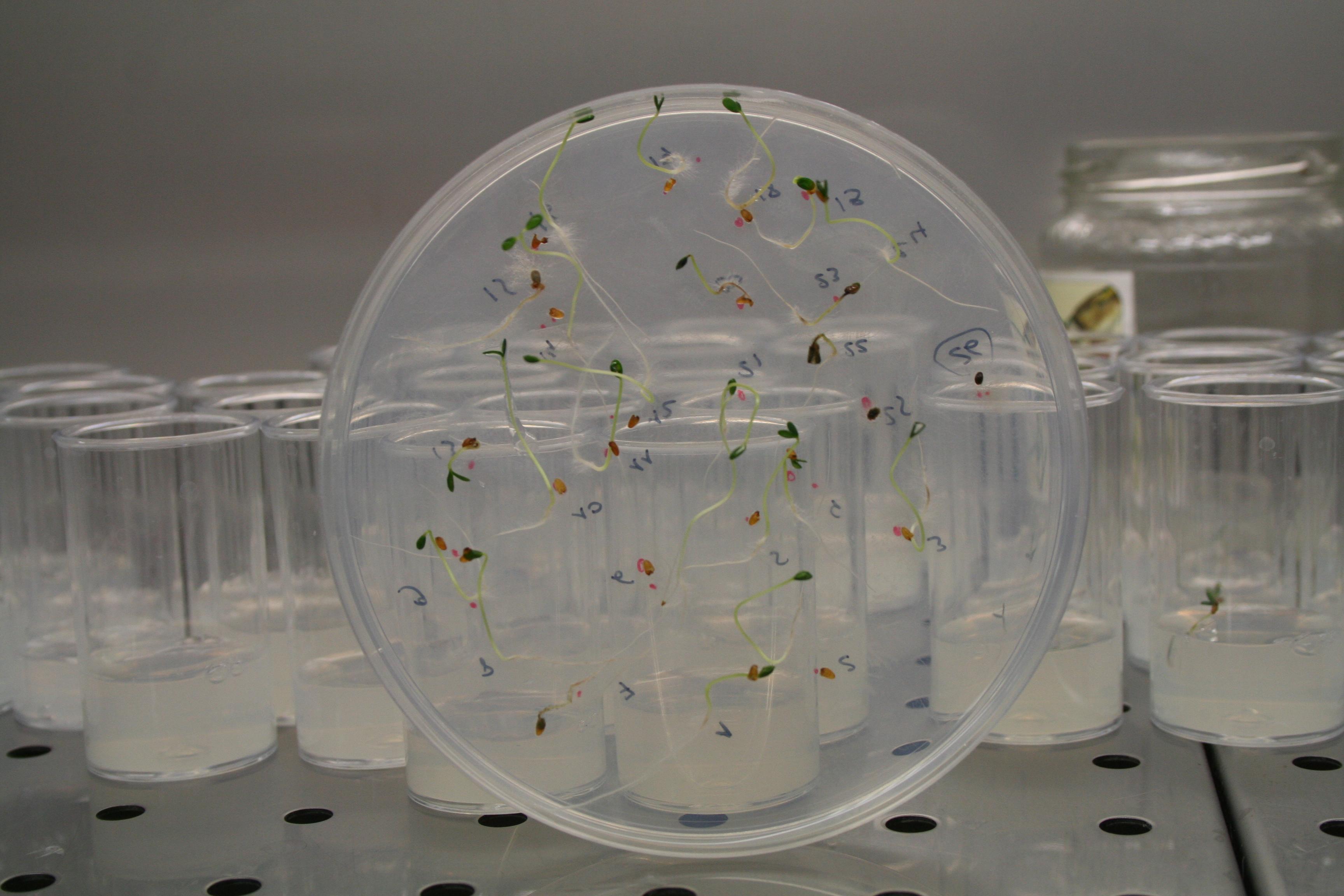
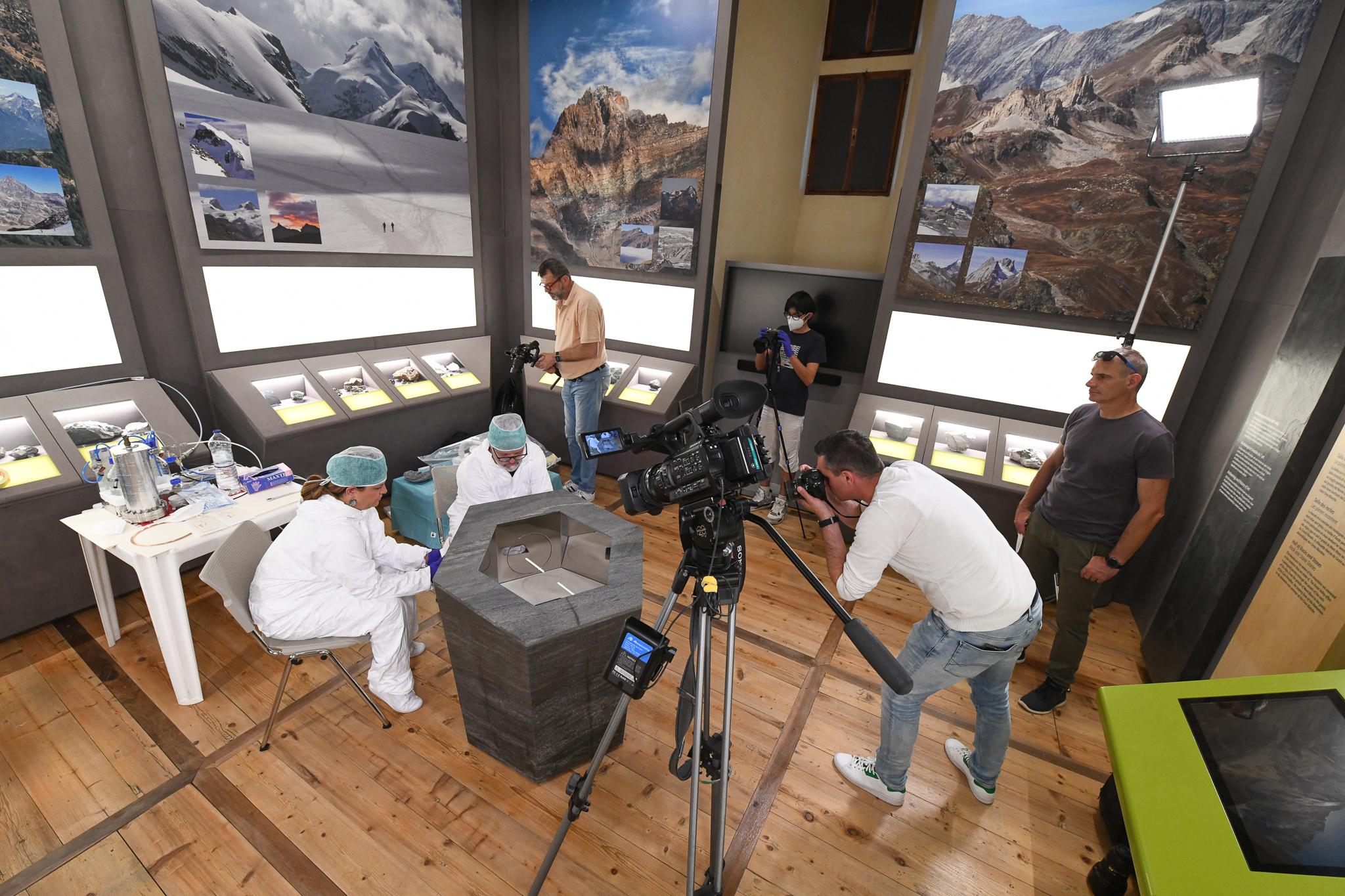
In the molecular biology laboratories at the museum’s operational headquarters in La Salle, where the DNA of Alpine species is analyzed using instruments that Carrel and Bérard could never have imagined, the very same project that those canons began in a classroom in Aosta in 1858 continues: understanding the nature of the Aosta Valley in order to love and protect it more effectively.
Photo: Archive RAVA