The high-altitude meadow
The cycle of the alpine seasons
Estimated reading time
5
Green in summer, white in winter: the alpine meadow follows an ancient rhythm that has shaped pastoral life in the Aosta Valley Alps for centuries. At the end of July, the By Basin offers the opportunity to experience it firsthand.
There is a natural clock that marks time in the Alps without the need for hands. It is the high-altitude meadow: an ecosystem that goes through the same cycle every year, producing and withering flowers, tracing and erasing the tracks of wild animals, drawing in and sending away herds, flocks, and shepherds according to a calendar that has repeated itself unchanged for centuries.
An ecosystem shaped by the seasons
The alpine meadow occupies the altitudinal zone between the upper tree line, generally around 2,000–2,200 meters, and the rocky and glacial areas at higher elevations. It is an environment characterized by low-growing herbaceous vegetation adapted to extreme climatic conditions: long, harsh winters, very short growing seasons, intense solar radiation, and pronounced daily temperature fluctuations.
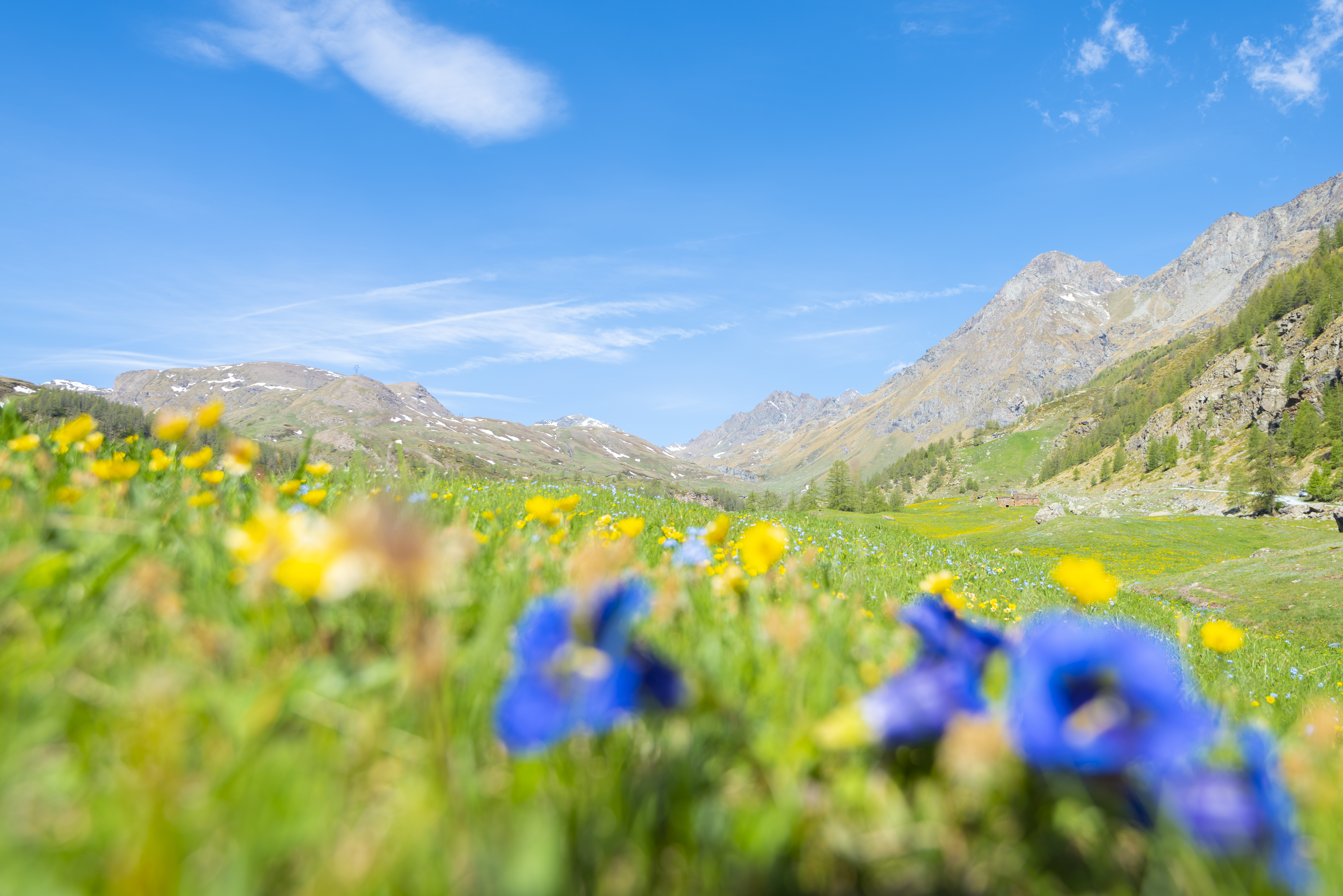
The annual cycle of the alpine meadow follows distinct phases. In spring, as the snow melts, the first pioneer species colonize the newly exposed ground. At the beginning of summer, flowering reaches its peak, with dozens of different species succeeding one another in a continuous display of color: gentians, anemones, buttercups, saxifrages, and snowbells. By late summer, the flowers give way to seeds, and the vegetation begins to dry out in preparation for the long winter dormancy beneath the snow.
The role of wildlife and grazing
The alpine meadow is not only a plant ecosystem. For thousands of years, it has also been the setting for a close relationship between people, domestic animals, and wildlife. Every summer, cattle herds and flocks of sheep and goats move up to the high mountain pastures, following a transhumance calendar that has been passed down from generation to generation among the pastoral communities of the Aosta Valley.
The grazing of domestic livestock plays a crucial ecological role in maintaining the alpine meadow: the animals’ grazing and trampling help limit the spread of shrubs and keep the grasslands open, promoting the overall floral biodiversity of the ecosystem. At the same time, the meadow provides habitat for a rich and diverse range of wildlife, including marmots, Alpine ibex, chamois, mountain hares, and numerous species of birds of prey that hunt across the open slopes.
Where to go: the By Basin in Valpelline
For those who want to experience the rhythm of the alpine meadow firsthand at its most vibrant, the By Basin, in Valpelline, offers one of the most authentic and least touristy experiences in the Aosta Valley.
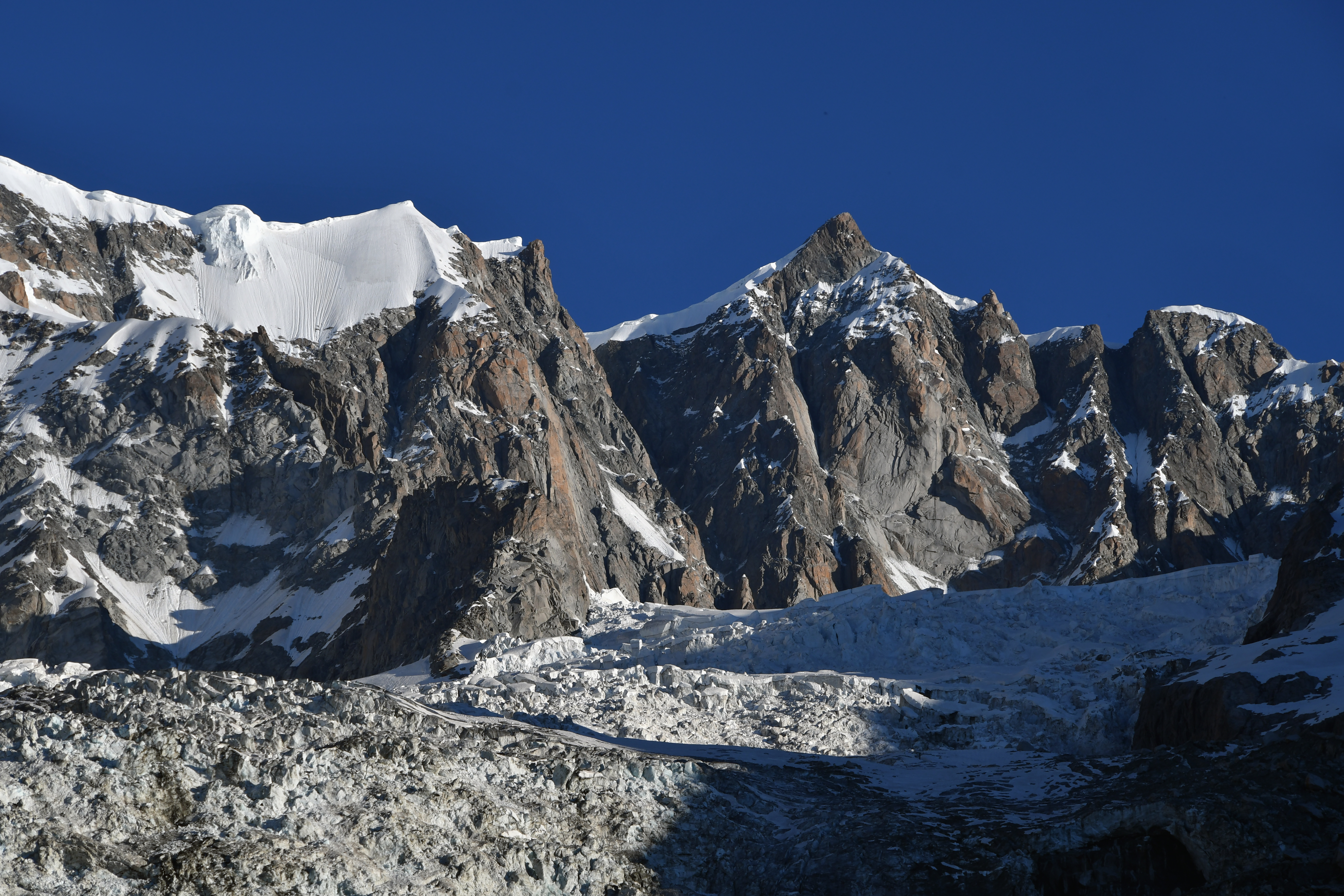
It is a natural high-altitude amphitheater dominated by the imposing Mont Gelé, where the pastoral tradition is still very much alive. Herds graze on meadows that, by late July, are covered with abundant and varied wildflowers; alpine huts are still used to produce traditional cheeses; and the silence of the basin is broken only by the sound of cowbells and the wind.
By the end of July, the season is at its peak: the grass is tall, flowers blanket the slopes in their brightest colors, and the altitude still provides the coolness that defines the most authentic alpine summer. It is one of those places where the rhythm of the mountains can still be felt in all its original fullness.
The Museum gallery dedicated to the meadow
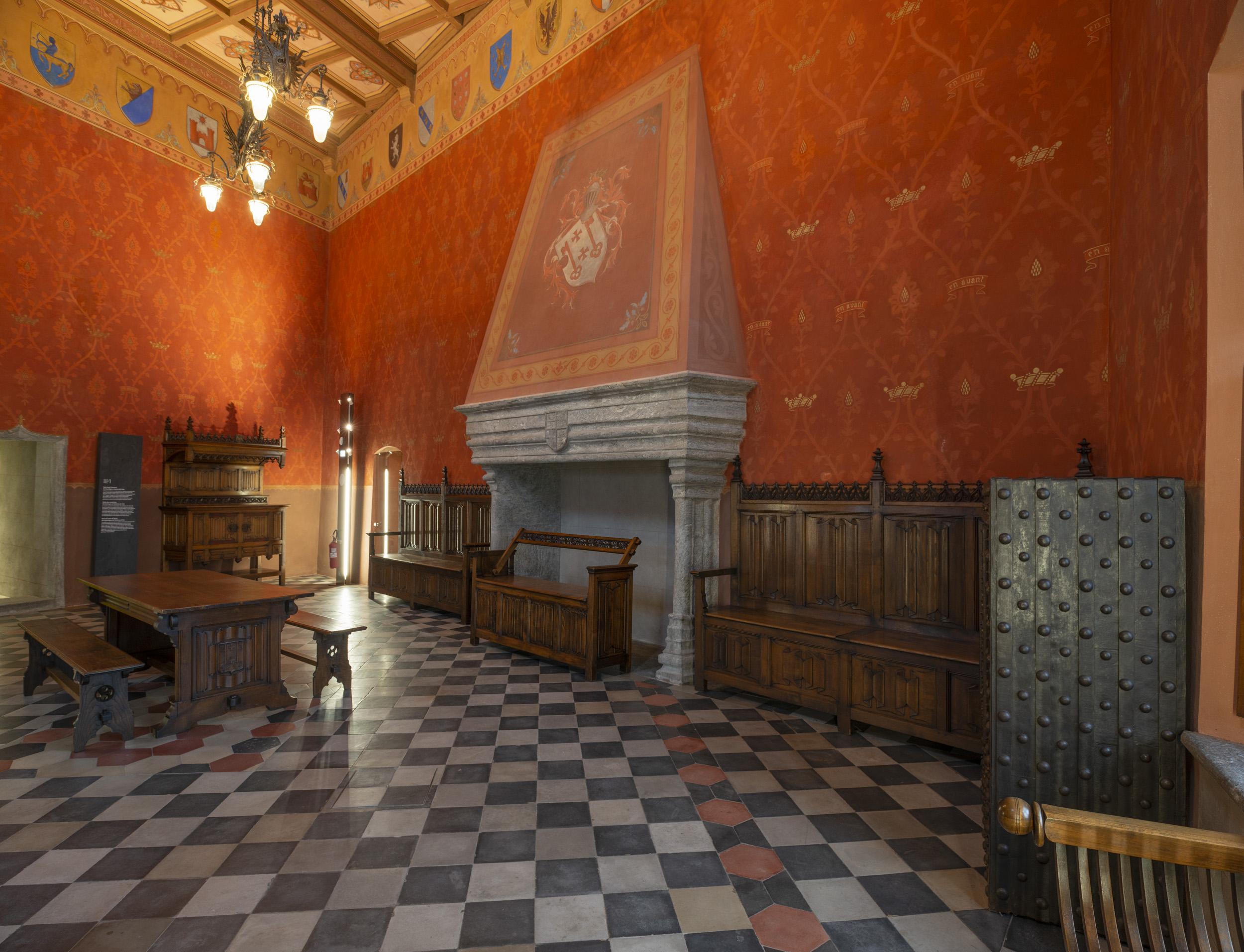
The gallery of the Efisio Noussan Regional Museum of Natural Sciences dedicated to the high-altitude meadow illustrates the seasonal cycle of this ecosystem through environmental reconstructions, specimens of its characteristic flora, and multimedia materials exploring the relationship between grazing, biodiversity, and pastoral tradition in the Aosta Valley Alps.
Photo: Francesco Sisti - Aosta Panoramica