The Fires of Saint John in Aosta Valley
An Alpine tradition between history, nature, and the summer solstice
Estimated reading time
6
On June 24, the night of bonfires has illuminated the mountains of Aosta Valley for centuries. An ancient tradition that intertwines the liturgical calendar, the cycle of nature, and community identity.
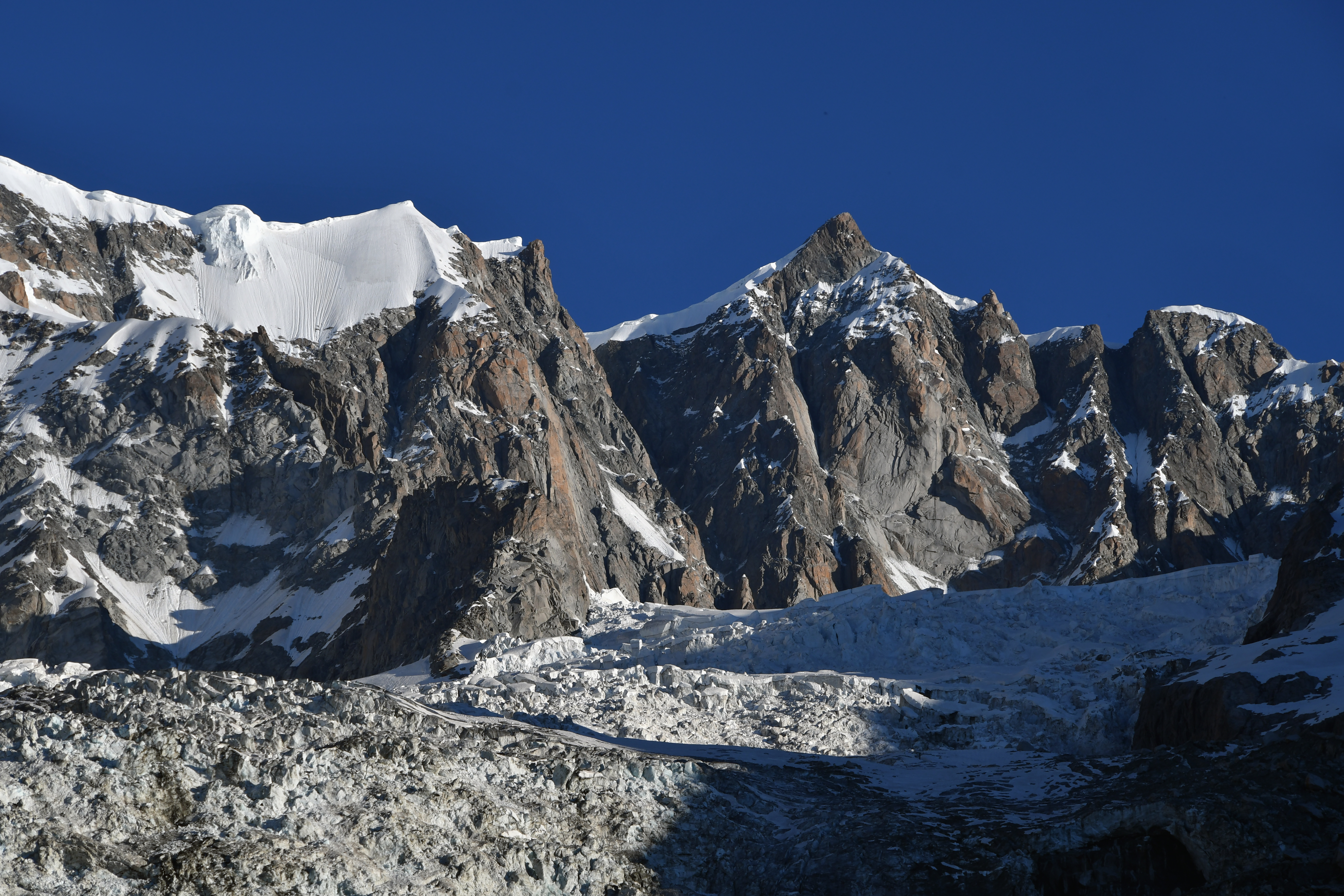
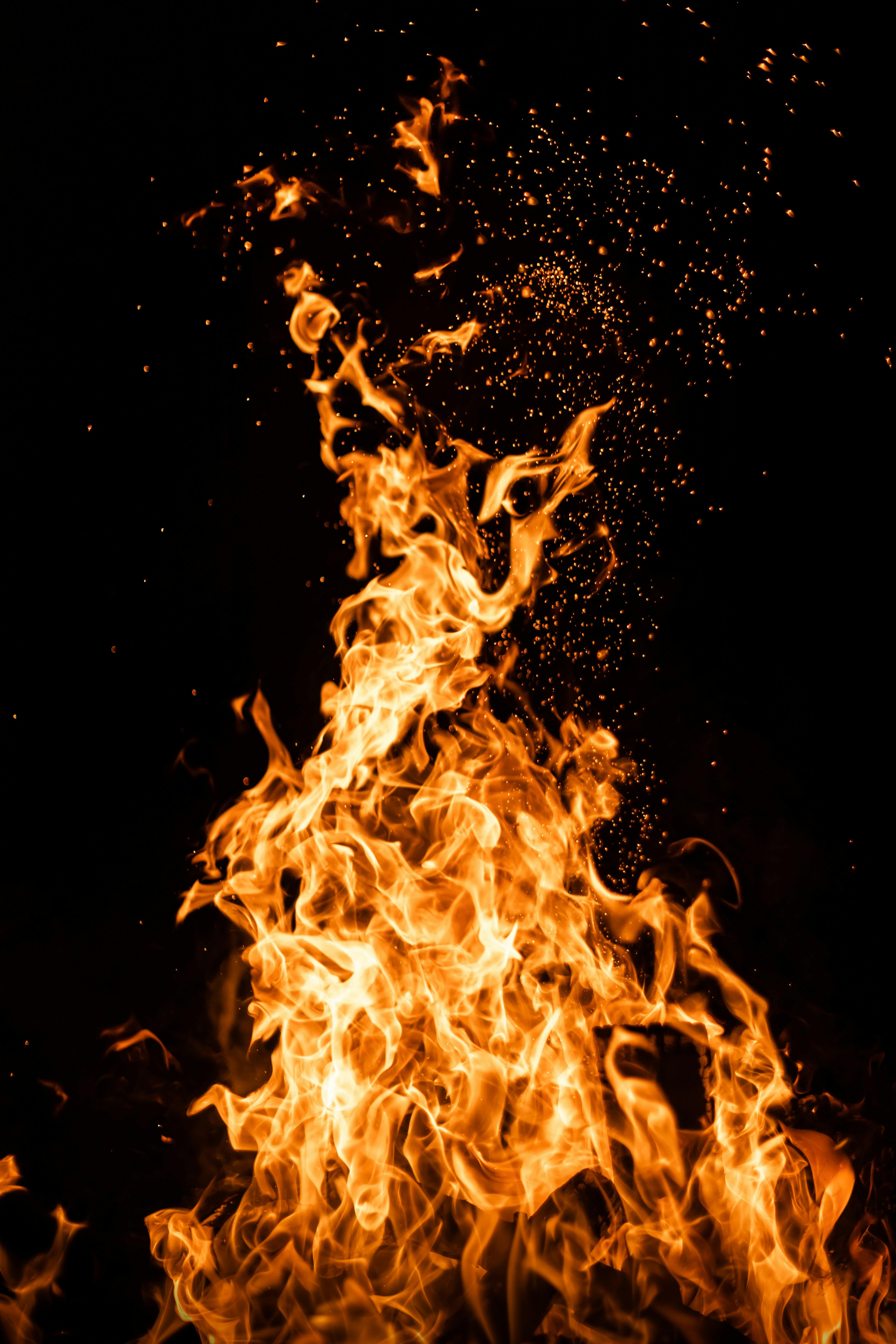
Every year, on the night of June 24, the mountains of Aosta Valley are lit up with fires. On the slopes, along the ridgelines, in the high-altitude meadows: the Saint John’s bonfires dot the Alpine darkness like a terrestrial constellation, visible from afar and recognizable to anyone who has spent at least one summer night in this region. It is one of the oldest and most deeply rooted traditions of Aosta Valley culture (and one of the most fascinating in the entire western Alpine arc).
Origins: between paganism and Christianity
Like many of Europe’s great popular traditions, the Fires of Saint John have their roots in a cultural foundation far older than the Christian calendar. June 24 coincides with the summer solstice according to the Julian calendar, the time of year when the sun reaches its highest point above the horizon and the days are longest. For the agricultural and pastoral peoples of antiquity, the solstice was a cosmic event of primary importance: it marked the peak of the warm season, the moment when nature’s vital energies were at their strongest, and called for collective rituals to celebrate and ensure a good harvest.
Solstice fires were widespread throughout Celtic and Germanic Europe, from Scandinavia to the Alps, from the British Isles to the Balkans. With the spread of Christianity, these rituals were not suppressed but reinterpreted and incorporated into the liturgical calendar: June 24, the Feast of the Nativity of Saint John the Baptist, became the Christian framework for a millennia-old pre-Christian tradition.
The Fires of Saint John in Aosta Valley
In Aosta Valley, the Fires of Saint John gradually developed distinctive characteristics linked to the specific nature of the mountain landscape and the region’s pastoral culture. Tradition calls for bonfires to be lit on mountain slopes, on ridges visible from the villages below, in locations chosen to maximize visibility from a distance. In some communities, the informal competition among villages to light the highest, largest, or most visible bonfire was an integral part of the ritual.
The fire had specific symbolic functions: it purified the air and fields from harmful influences, protected livestock from disease, and promoted crop fertility. In some local traditions, jumping over the fire or passing through its embers had a purifying value for people. The ashes of Saint John’s bonfire were considered especially precious and were scattered in the fields or kept in homes for protection.
Saint John’s night was also the night of magical herbs. According to folk beliefs widespread throughout Alpine Europe, plants gathered on the night of June 24 possessed special healing and protective properties. In Aosta Valley, as in many other Alpine regions, the gathering of medicinal herbs was traditionally concentrated around this time of year, not only for symbolic reasons but also for practical ones: by late June, Alpine flora is in full summer bloom, and many species reach their highest concentration of active compounds during this period.
The solstice and the cycle of Alpine nature
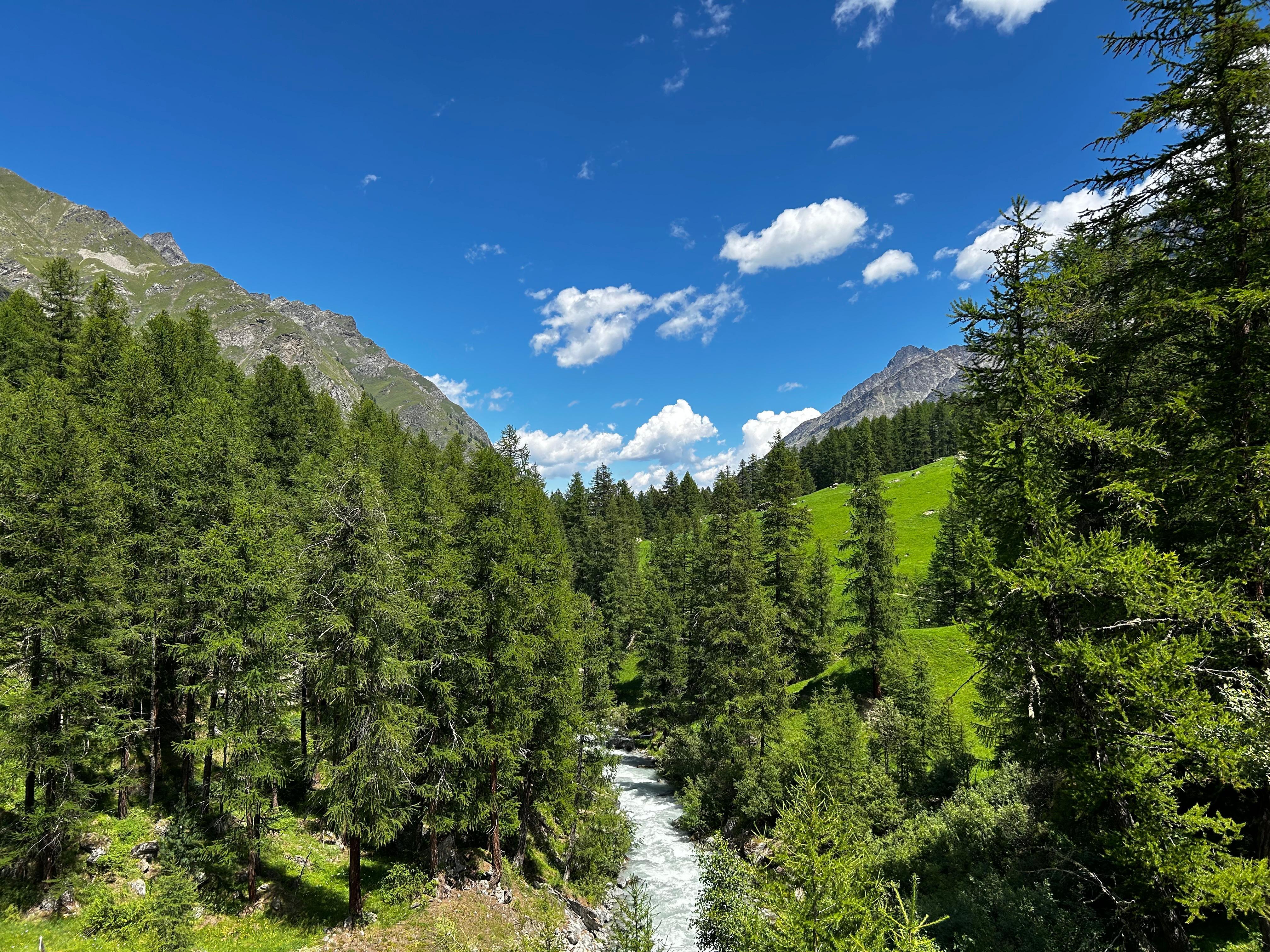
Beyond its ritual and symbolic dimension, the Fires of Saint John mark a real and significant moment in the cycle of Alpine nature. The summer solstice represents a turning point: after June 21, the days begin to shorten, the warm season is at its peak, yet already contains the seeds of its decline. For mountain communities, this moment had a precise practical meaning: it marked the beginning of the alpine pasture season, the period when herds moved up to high-altitude grazing grounds and community life shifted toward higher elevations.
In Aosta Valley, alpine pasturing is still a living practice today, involving thousands of animals and hundreds of farming families. The seasonal movement to high mountain pastures traditionally begins at this very time, following a calendar shaped by centuries of experience and adaptation to mountain climatic conditions. The Fires of Saint John accompanied and blessed this migration, marking the transition from village life to life on the alpine pastures.
A living tradition
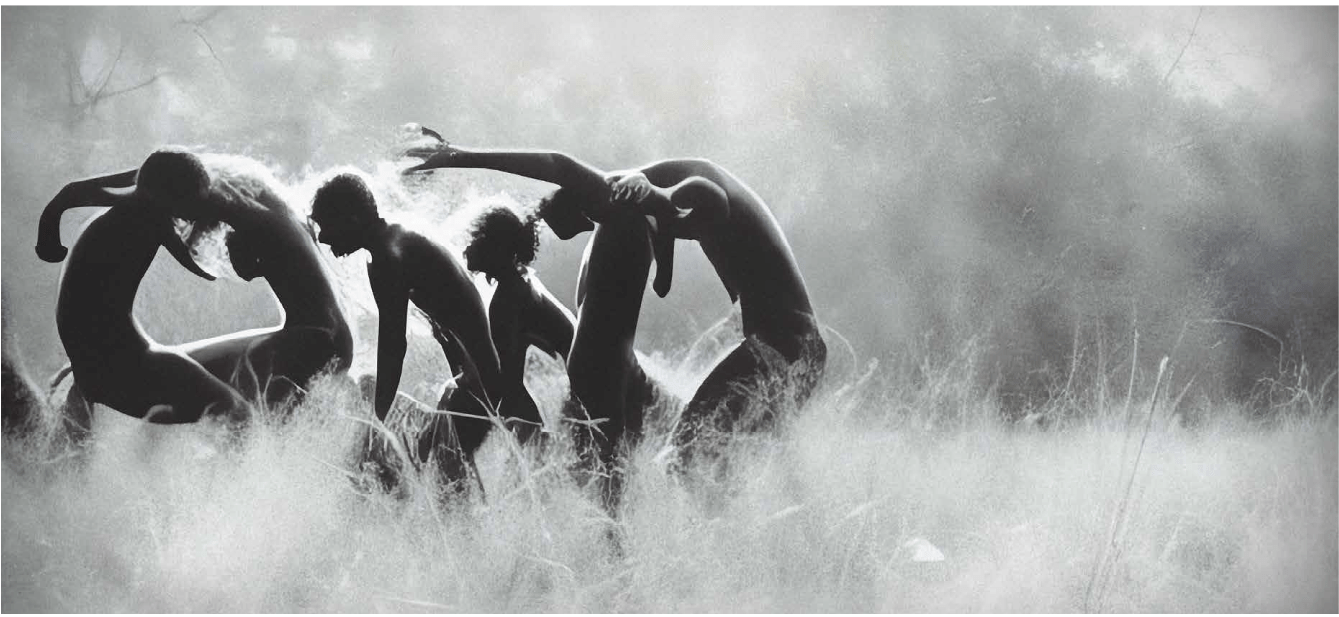
Unlike many European folk traditions, the Fires of Saint John in Aosta Valley are not museumized folklore. They remain a living practice, celebrated every year in numerous communities across the region with genuine participation and a strong sense of collective belonging. In many municipalities of Aosta Valley, the night of June 23 is an occasion for community gatherings, with the lighting of the bonfire accompanied by music, food, and conviviality.
It is one of the most authentic expressions of Aosta Valley identity: a moment when the community recognizes itself in a shared history that spans centuries without losing its original meaning.
Watching the Fires of Saint John from the mountains of Aosta Valley means witnessing, in a single night, millennia of human history and relationship with Alpine nature. It is a landscape of light that tells, better than any book, how deep the bond is between this land and those who inhabit it.
Photo: Tobias Rademach - Unsplash