Castel Savoia Alpine Botanical Garden in Gressoney-Saint-Jean
Alpine Flora at the Foot of Queen Margherita's Summer Residence
Estimated reading time
5
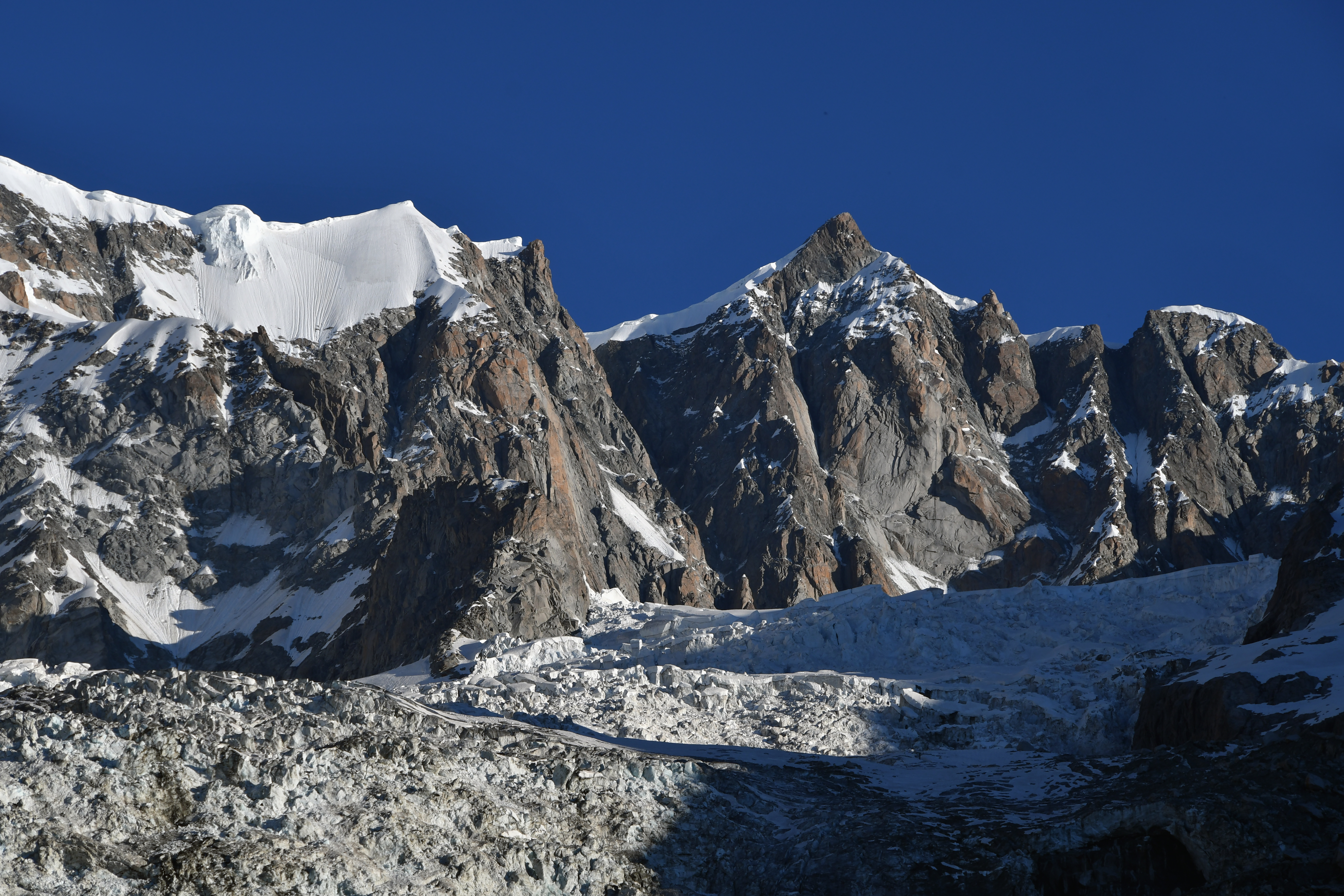
Inaugurated in 1990 within the park of the castle commissioned by Queen Margherita in 1898, the Castel Savoia botanical garden is the youngest of the Aosta Valley alpine gardens and the one most dedicated to beauty. Featuring a backdrop view of Monte Rosa.
There is a castle in the Aosta Valley that does not house a natural science museum, but shares a rare feature with Saint-Pierre Castle: the alpine botanical garden surrounding it. We are in Gressoney-Saint-Jean, in the Lys Valley, at the foot of the Monte Rosa massif. The castle is called Castel Savoia, and its history is inseparable from that of Queen Margherita of Savoy.
The Castle and the Queen
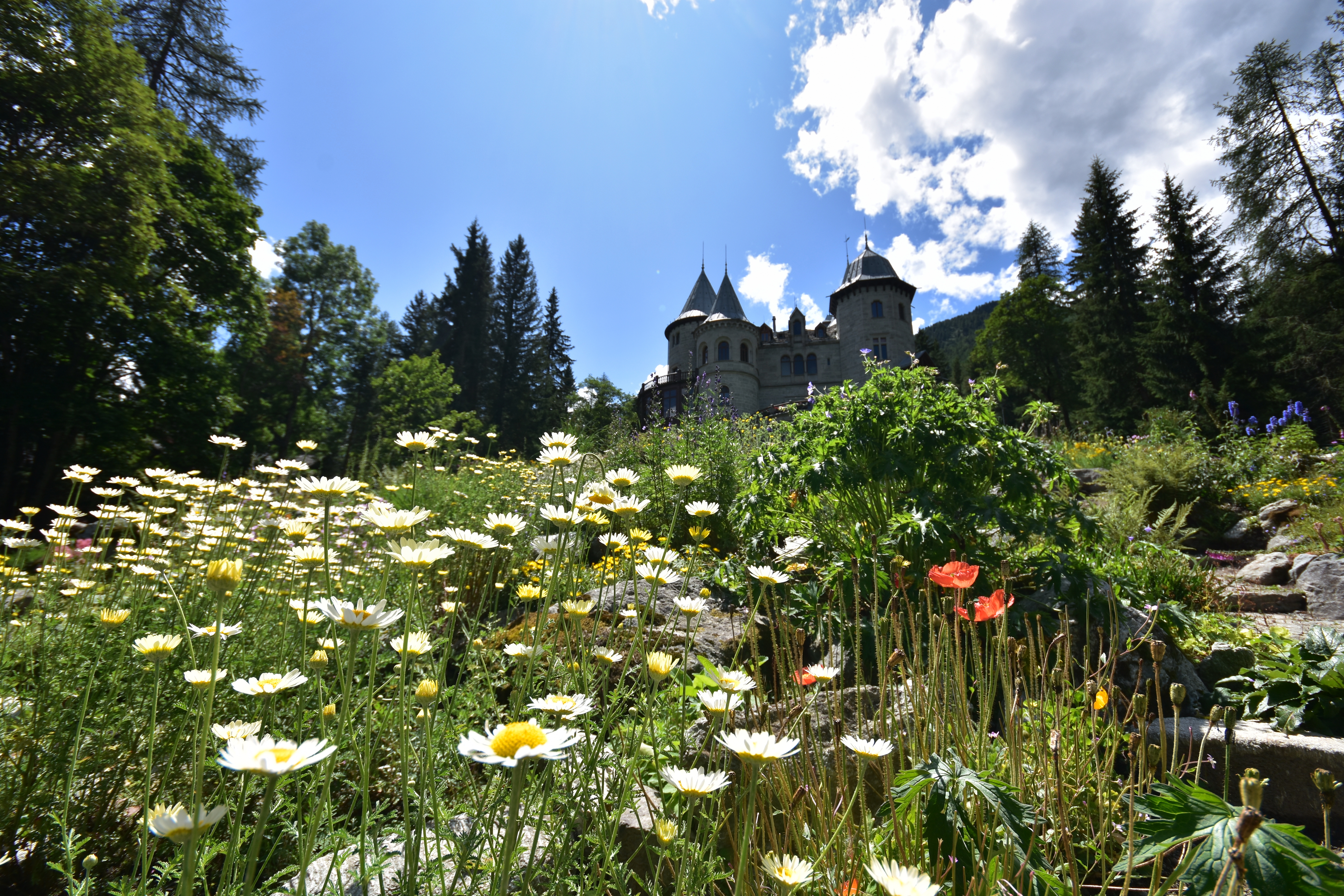
The garden is located in Gressoney-Saint-Jean at an altitude of 1,350 meters, inside the park of Castel Savoia, built by Queen Margherita in 1898 as a summer residence in her favorite location.
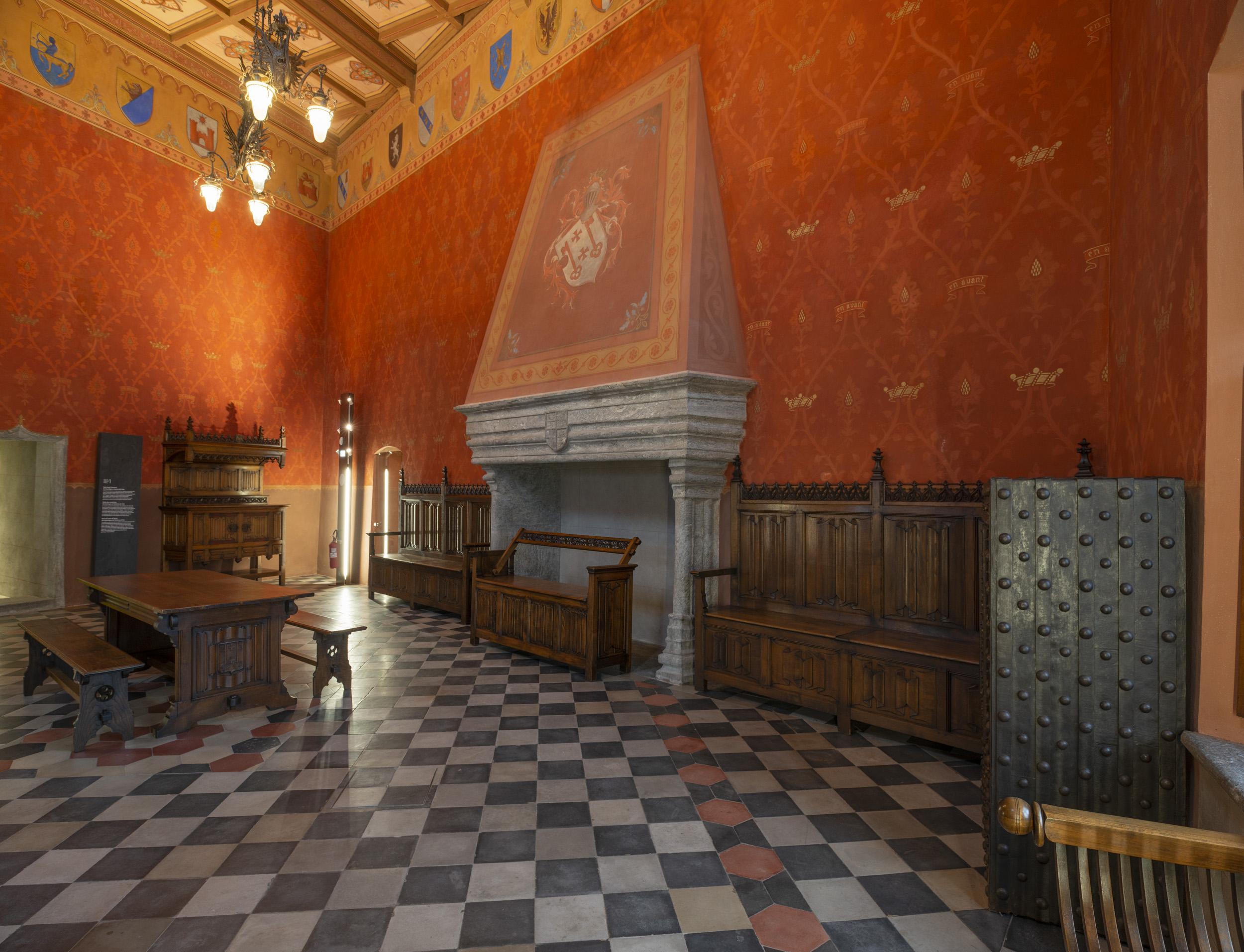
Margherita of Savoy had a deep passion for the Aosta Valley mountains and the Lys Valley in particular. The castle built at the end of the 19th century at her behest was intended to become her summer residence in this beloved setting. The result is an elegantly eclectic building featuring turrets, loggias, and decorations recalling the Neo-Gothic style popular in late 19th-century Europe – a deliberate visual connection to Saint-Pierre Castle, which was transformed during the same period by Baron Bollati with the same romantic taste.
Today, the castle is owned by the regional administration, which enhanced the surrounding park by creating a rock garden at the foot of the castle, surrounded by firs and larches.
The Botanical Garden
The latest alpine garden to be opened in the Aosta Valley, the Castel Savoia botanical garden dates back to 1990 and is situated within the park of the namesake manor, at an altitude of 1,400 meters facing the majestic Monte Rosa range. It consists of a series of rocky flowerbeds with plants typical of the alpine environment, both native and from other parts of the world, selected for their extraordinary ornamental value.
The Castel Savoia garden differs from other Aosta Valley gardens in its design approach, which prioritizes the aesthetic appearance of its species, featuring lushly blooming alpine plants chosen for their visual appeal.
It is not a scientific garden in the strict sense of the word; it lacks the systematic cataloging vocation of Paradisia in Cogne or the conservation goals of Chanousia at Little St Bernard Pass. Instead, it is a garden focused on beauty: a place designed to evoke emotion and showcase alpine flora in its richest and most colorful expression, within a scenic context that few other places in the Aosta Valley can match.
Present Species
The rocky beds house plants typical of the alpine environment—both local species, such as the Martagon lily, Rusty-leaved alpenrose, Edelweiss, Columbine, Arnica, various Houseleeks, Gentians, and Saxifrages—and species from other parts of Italy and the world.
The garden hosts both rare and common species, each marked with explanatory labels showing their scientific and common names. It features extremely rare floral species alongside widespread ones such as Fireweed (Epilobium), found throughout the Aosta Valley along trails, slopes, and stream banks
JardinAlps: A Network of Alpine Gardens
The Castel Savoia garden is part of the JardinAlps project, which aims to promote alpine flora by connecting the four botanical gardens of the Aosta Valley—Saussurea on Mont Blanc, Paradisia in Valnontey-Cogne, Chanousia at the Little St Bernard Pass, and Castel Savoia in Gressoney—with other natural sites in the French and Maritime Alps to encourage the discovery of local botanical heritage.
In 2021, JardinAlps was inaugurated: an exhibition space located in the building that originally served as Queen Margherita’s garage, near the ticket office and the garden. The space provides information about the castle’s history and the natural environment of the Aosta Valley, making the garden visit even richer in content.
When to Visit and How to Get There
The Castel Savoia Alpine Botanical Garden is open during the summer months and follows the castle’s opening hours: July and August from 10:00 AM to 8:00 PM daily. The best period for blooms is from June to September.
To reach Gressoney-Saint-Jean, take the A5 highway exit at Pont-Saint-Martin and follow the signs for the Lys Valley. The town is located about 30 kilometers from the highway toll booth.
Photo: Archive RAVA