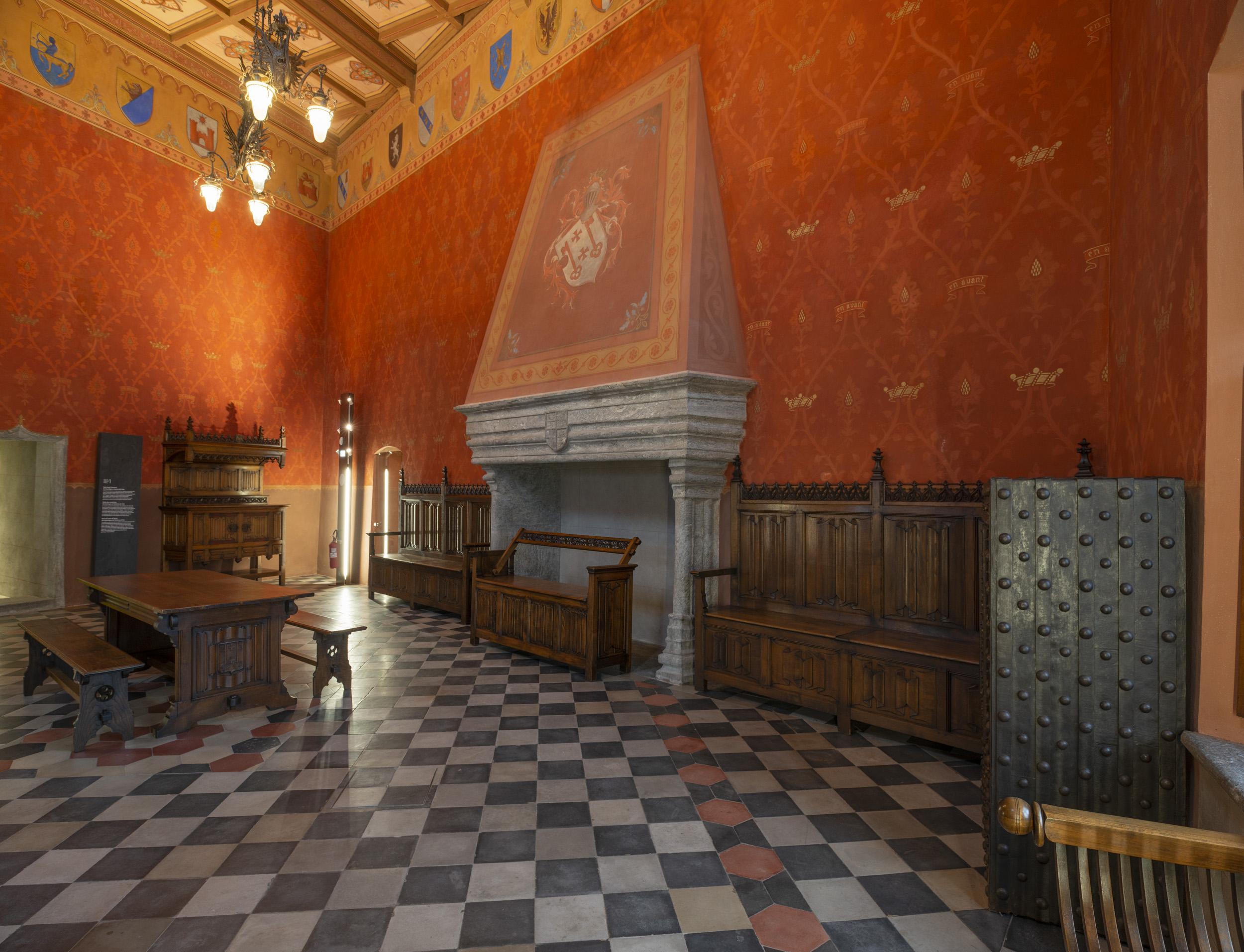
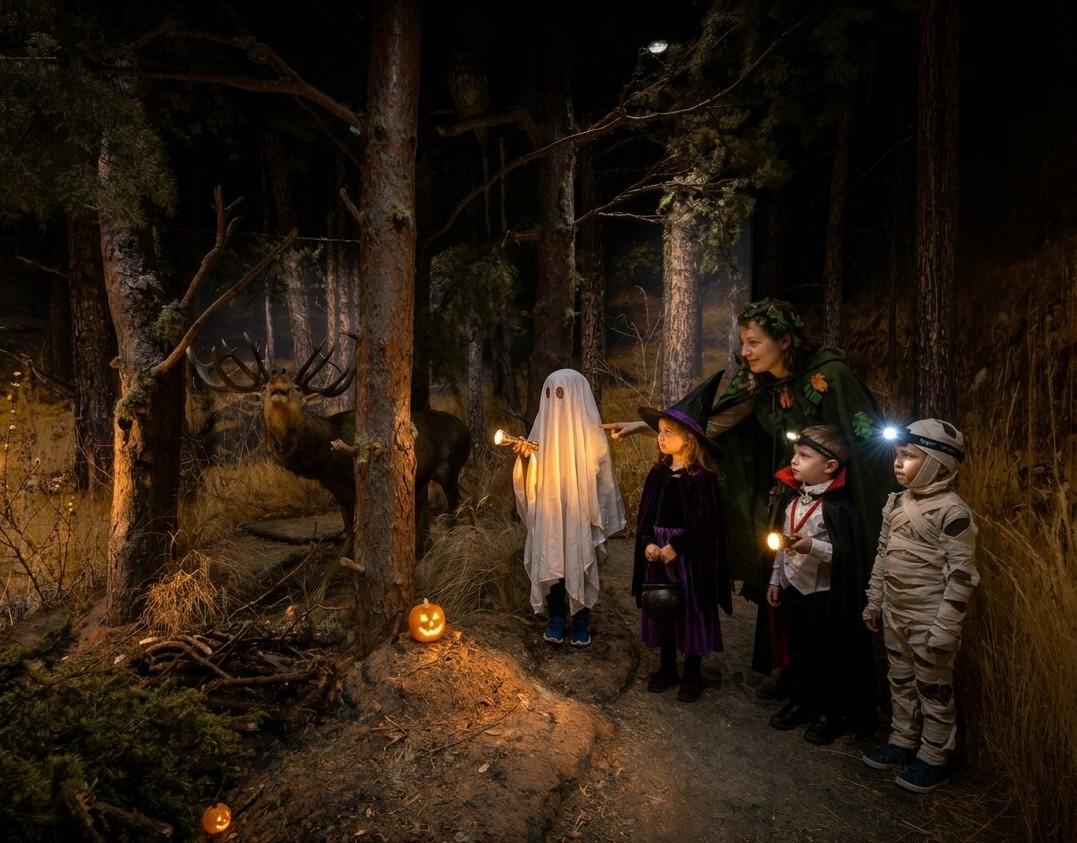
Aosta Valley glaciers through Room 15 of the Saint-Pierre Museum
living ice, climate change, and Val Vény in October
Estimated reading time
5
The Aosta Valley is home to 172 glaciers spanning 110 km², representing one-third of Italy’s glaciated area. Over the past twenty years, 37 of them have vanished. October is when glacier retreat is most visible: here is what Room 15 of the Museum reveals, and where to go to experience it firsthand.
October is the month when the glaciers of the Aosta Valley reveal their true extent. The warm season has consumed snow and ice for months, the first snowfalls have not yet arrived, and the edges of the glacial tongues lie fully exposed. Looking at a glacier in October means seeing it in its most honest form: without the winter white hiding its borders, without fresh snow softening its contours.
It is also the best time to understand how much—and how quickly—it is changing.
Ice as a Living Substance
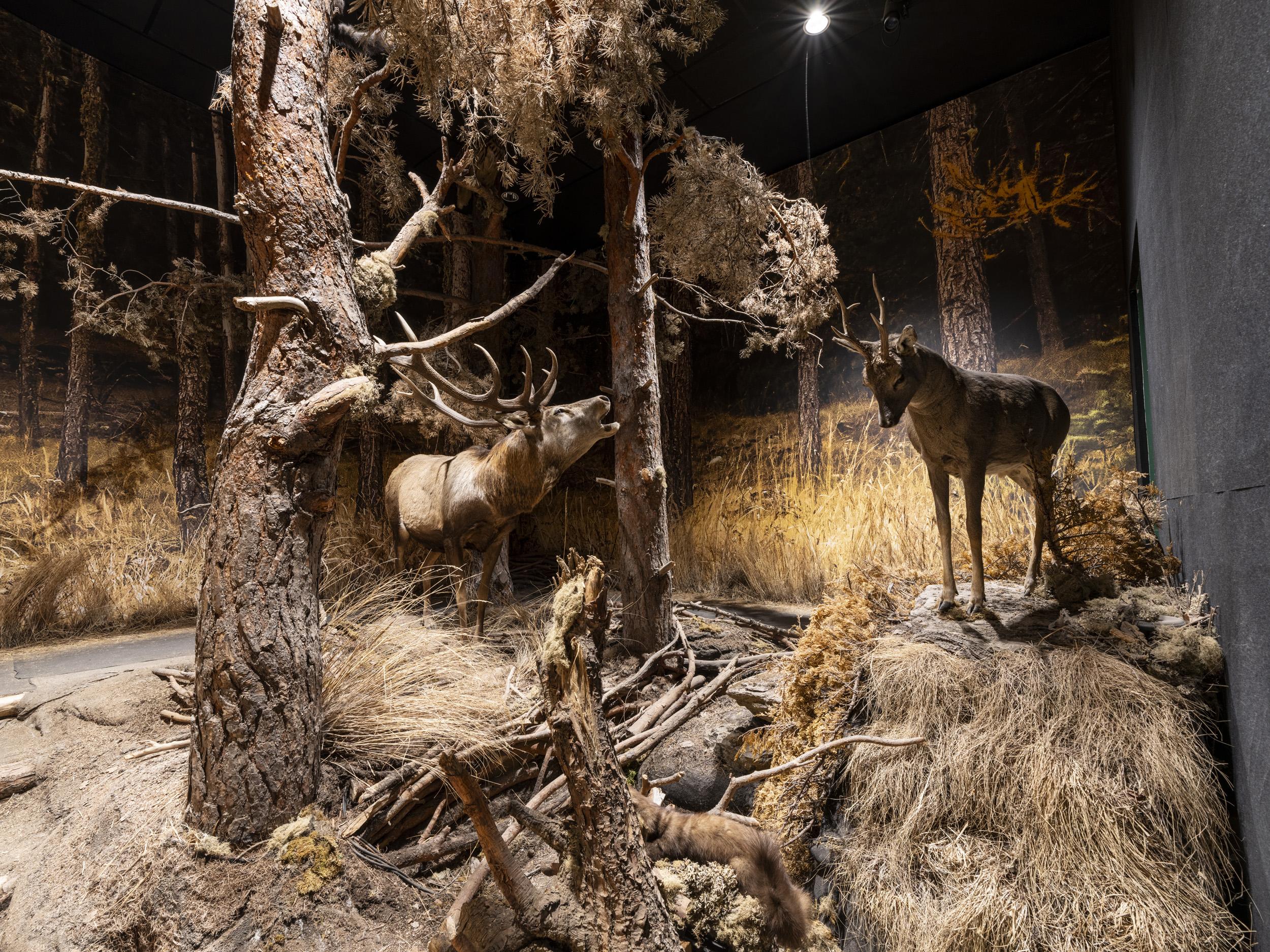
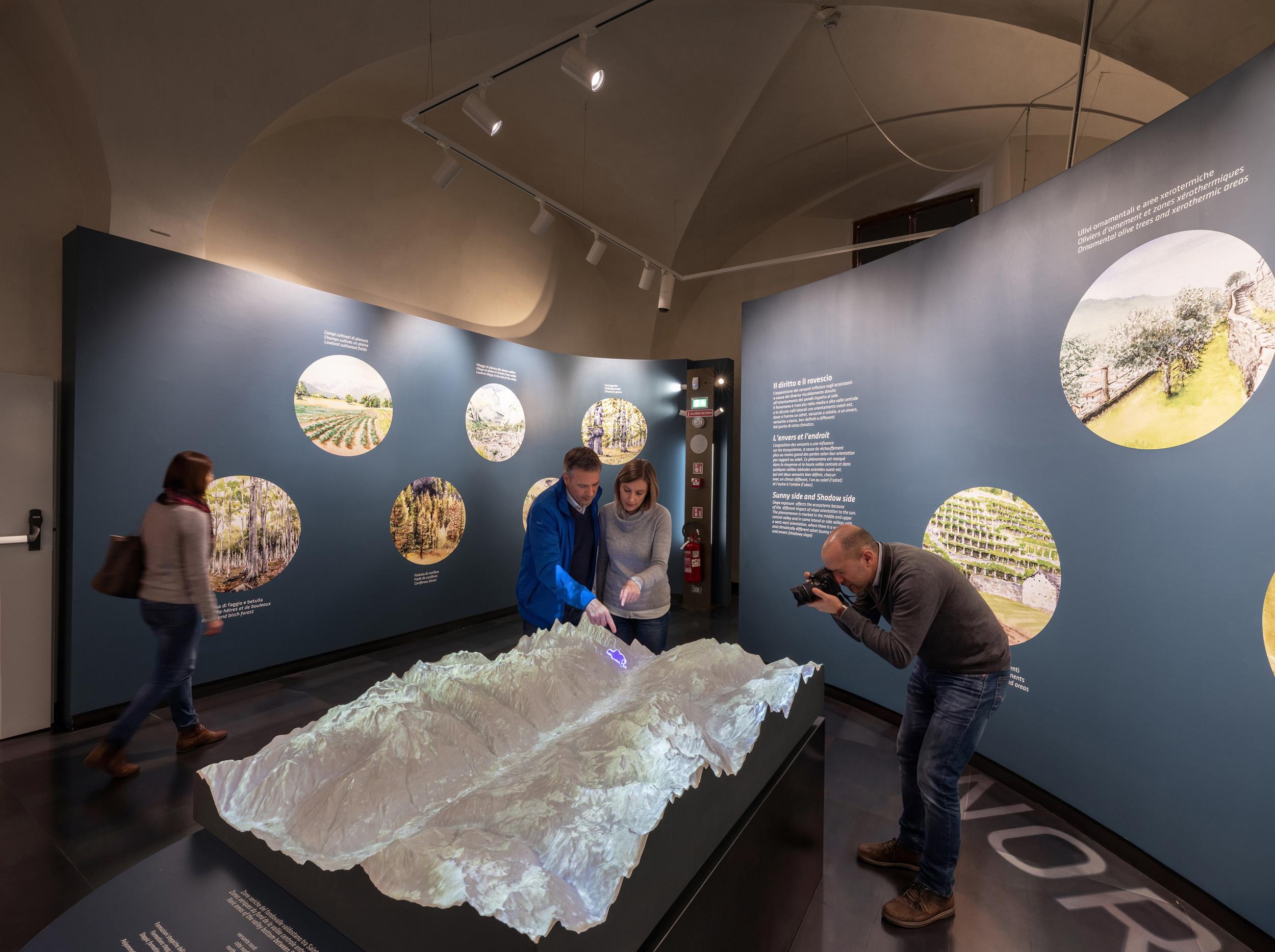
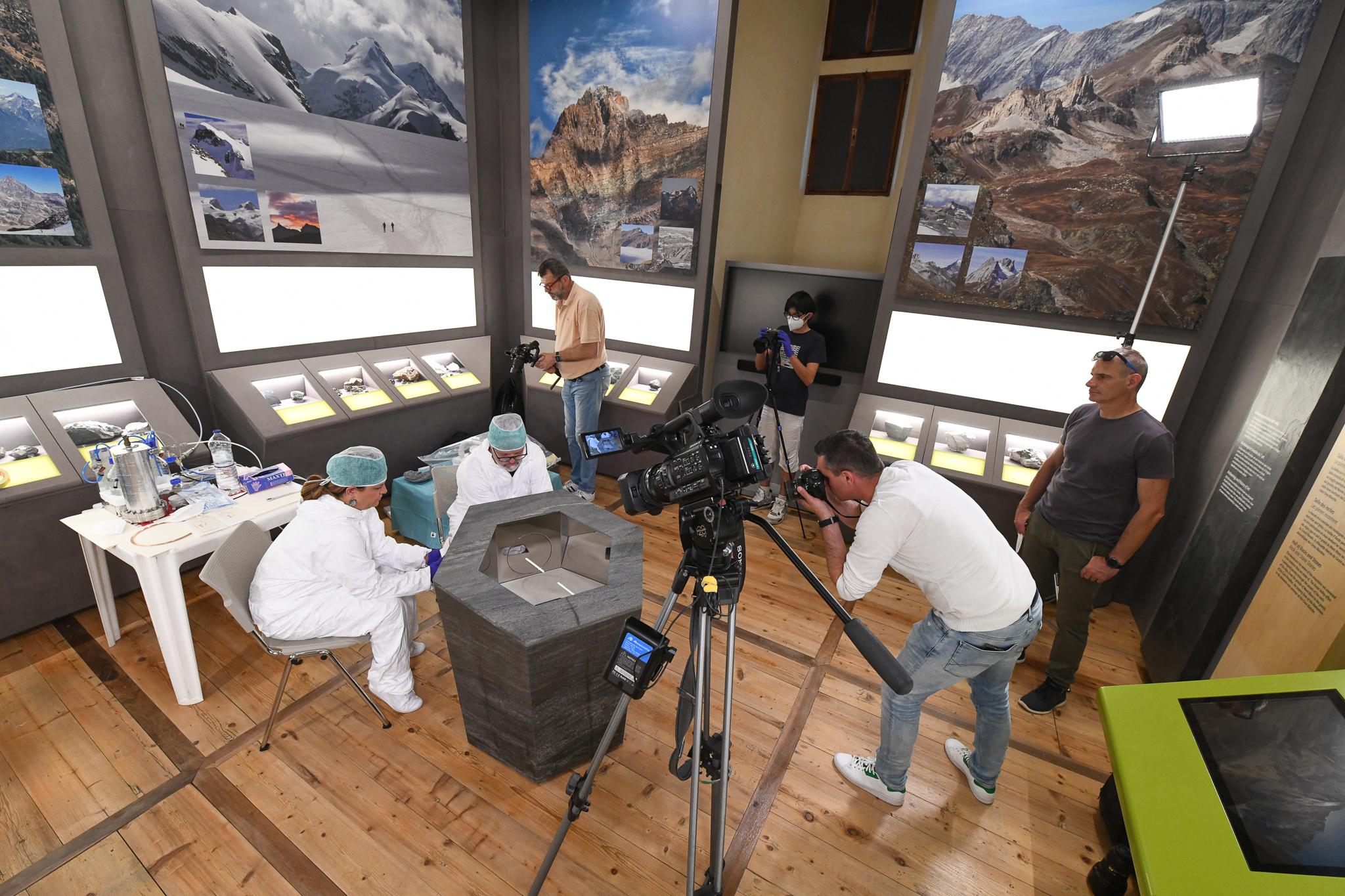
Room 15 of the Efisio Noussan Regional Museum of Natural Sciences in Saint-Pierre opens with a description that sounds almost paradoxical: “The glacier is a living substance sliding down the valley like a frozen torrent.” It is not a poetic exaggeration. It is physics.
A glacier is not a static mass of ice. It is a system in continuous motion, fed at high altitudes by the accumulation of snow that gradually transforms into ice under its own weight, and emptied lower down by ablation: the melting of ice caused by summer heat. The balance between accumulation and ablation determines the glacier’s mass balance: when accumulation exceeds ablation, the glacier advances; when ablation exceeds accumulation, it retreats.
For at least two centuries, Aosta Valley glaciers have been the region’s main tourist attraction, as well as a natural laboratory for scientific discoveries, a playground for mountaineering, key agents of landscape formation, and an irreplaceable water reservoir. Nineteenth-century Romantic tourism turned the Mont Blanc glaciers into one of Europe’s most sought-after destinations. Turner and Ruskin painted and described them; Saussure climbed and studied them. That tradition of scientific and cultural interest remains alive today, but the environmental context has radically shifted.
The Numbers Behind the Glacial Heritage
Today, the Aosta Valley hosts 184 glaciers covering a total surface area of 120 km²—one-third of Italy’s entire glaciated area, concentrated in a region that accounts for approximately 1% of the national territory. It is an extraordinary heritage that includes some of the largest and most extensively studied glaciers in the Western Alps, from Miage to Planpincieux, Timorion to Grandes Murailles.
However, data from recent decades present a sobering picture. In the last twenty years, 37 glaciers in the Aosta Valley have disappeared, and glacial surface area has shrunk by 22% compared to the start of the century. Total glacial coverage, which stood at 135 km² twenty years ago, is now down to 110 km². Under high-emission climate scenarios, projections indicate that up to 94% of the glacial volume currently present in the Aosta Valley could disappear by 2100.
The summer of 2026 was defined by glaciologists at the Fondazione Montagna Sicura as one of the most difficult in the last twenty years for Alpine glaciers, with the freezing level remaining above 4,000 meters for weeks on end, further accelerating ice loss.
October: The Moment of Truth
Glaciers suffer their greatest mass loss during summer, when high temperatures at elevation maximize ablation. In September, as temperatures gradually drop, ablation slows down and eventually stops. The first autumn snowfalls at high altitude, typically between October and November, begin building the new snowpack that will cover the glaciers for the winter.
October is therefore the exact window when glaciers reach their smallest configuration of the year: winter accumulation has not yet begun, and summer ablation has finished its work. It is the moment when glacial margins are most exposed and retreat compared to previous years can be read with the naked eye, simply by comparing the current snout position with the marks left on the moraines from earlier times.
Where to Go: The Miage Glacier in Val Vény
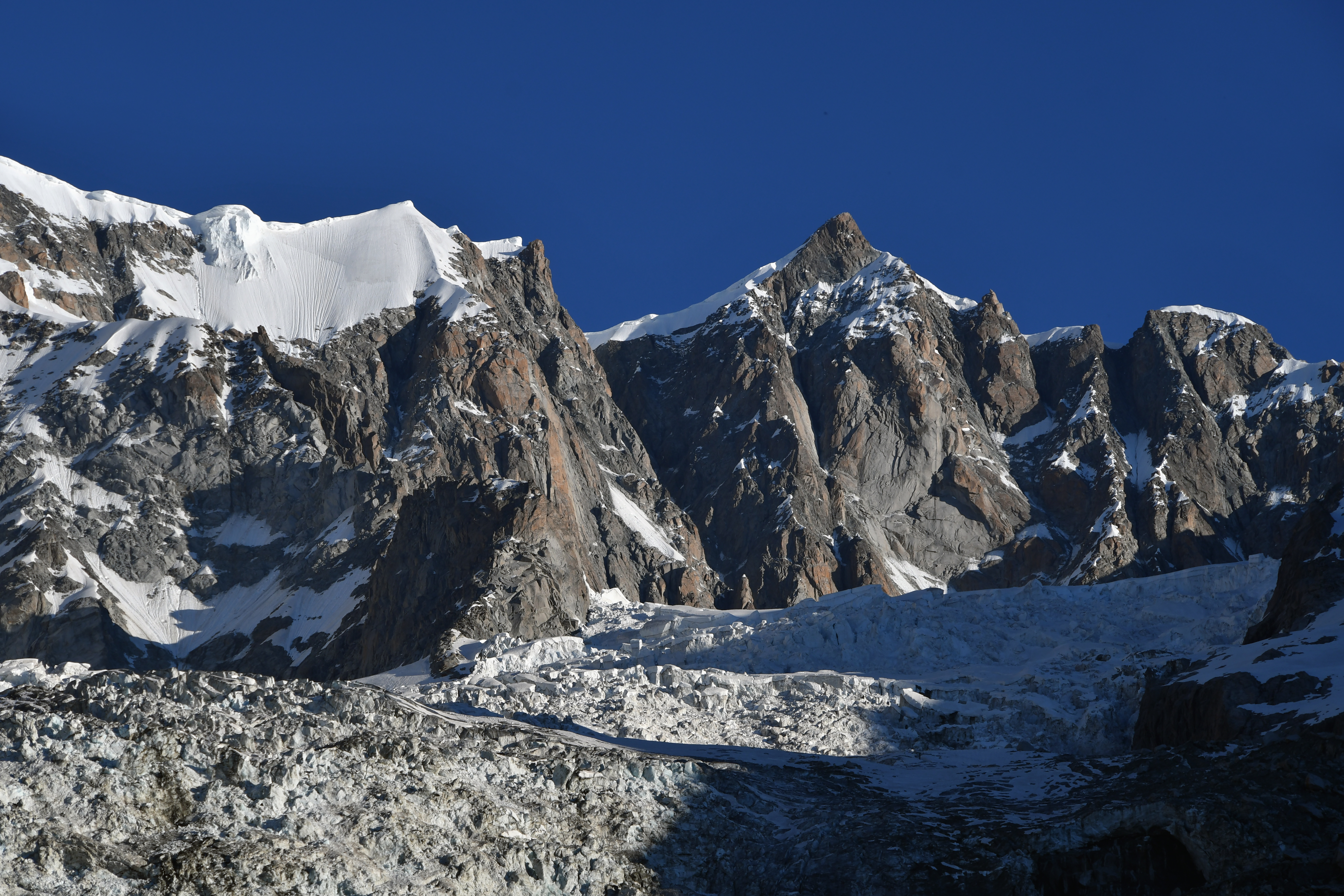
For those wishing to take what they learned in Room 15 out into the field, the Miage Glacier in Val Vény, Courmayeur, is the most accessible and scientifically documented destination in the Aosta Valley.
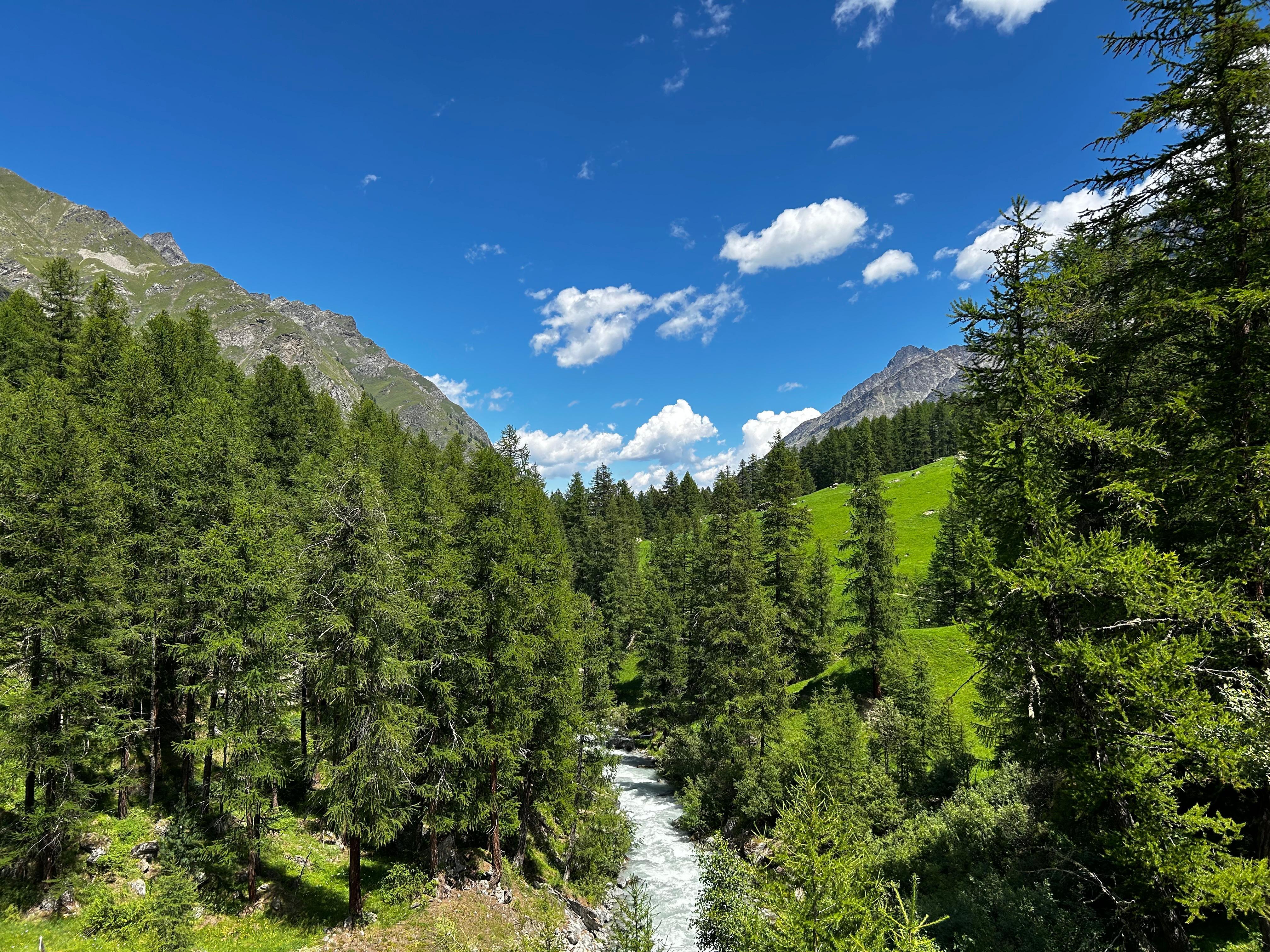
The Miage is the longest glacier in the Aosta Valley, extending roughly 10 km. It is a debris-covered glacier, characterized by a thick layer of rock debris that partially slows its melting compared to “clean” glaciers. Val Vény can be reached from Courmayeur in just a few minutes by car, offering parking at the valley floor and hiking trails that lead close to the glacier snout and lateral moraines without requiring mountaineering gear.
The moraines of the Miage are among the clearest historical records of glacial evolution in the Aosta Valley. The ridges of debris deposited by the glacier in its former positions physically mark the landscape, allowing visitors to trace the history of its retreat over recent centuries. Archival photographs taken from the exact same vantage points decades apart demonstrate a retreat that no written description can match.
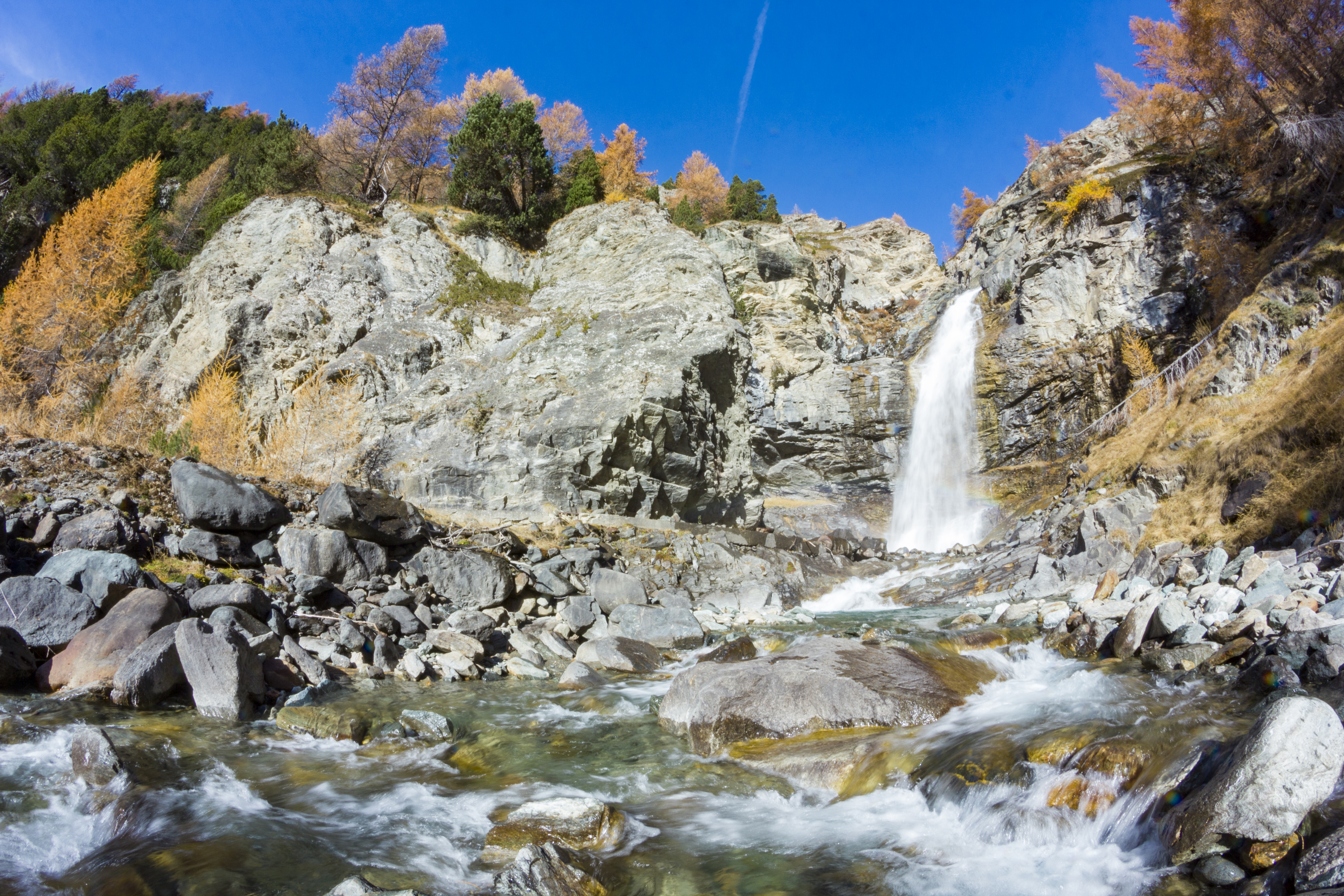
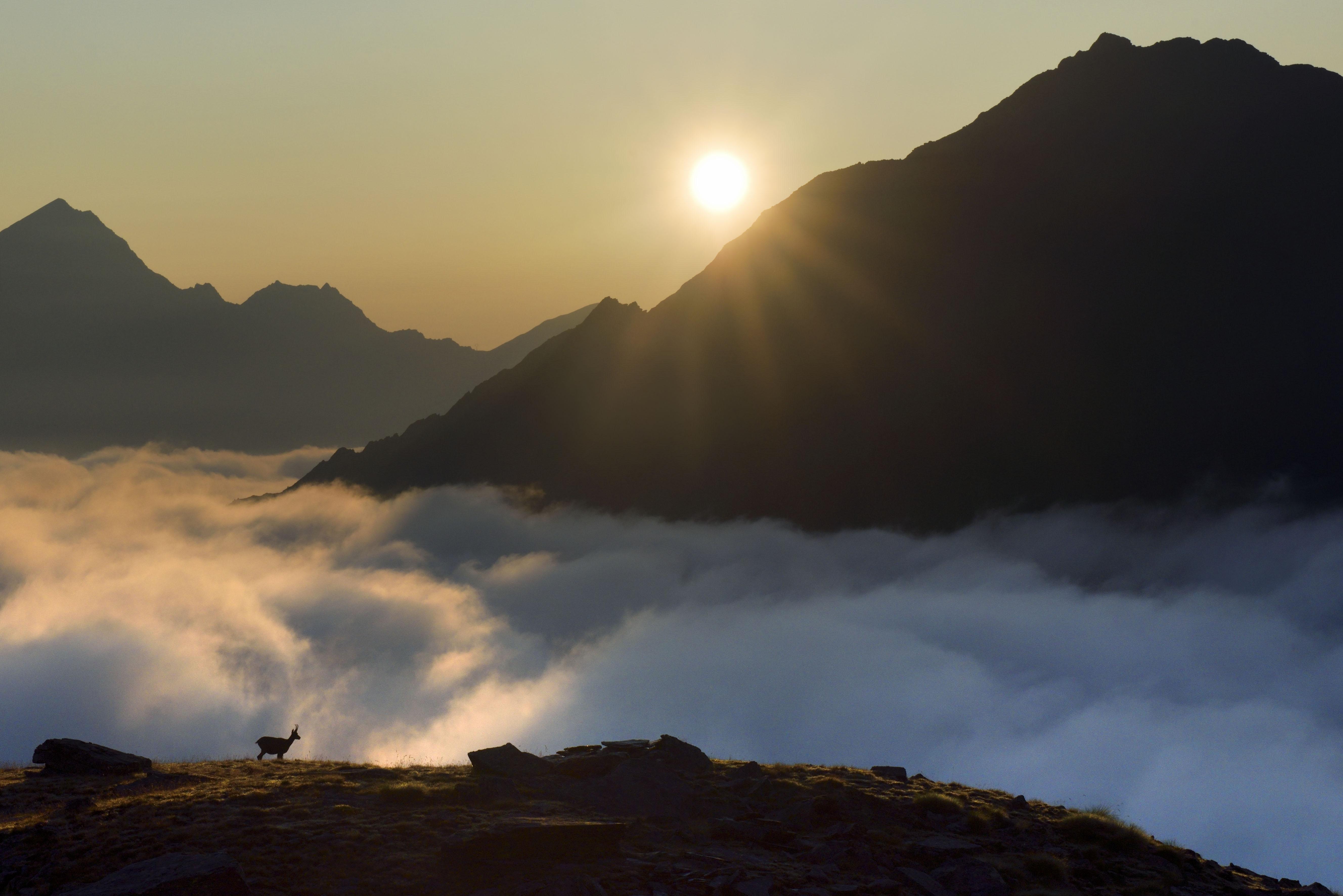
In October, Val Vény is quiet. The light is low and angled, the larch trees turn golden yellow, and the gray moraines stand out against the forest. It is a place worth visiting for the scenery alone, but understanding what you are looking at profoundly changes how you experience it.
Series Conclusion
This concludes the series From the Museum to the Territory, which over the past months has explored the rooms of the Saint-Pierre Museum before pointing to places across the Aosta Valley where what the museum describes can be seen, touched, and experienced directly. From the vineyards of Donnas to the moraines of Miage, from the mines of Cogne to the Lillaz waterfalls, from the Conca di By to the Mont Avic Park: every room has a door opening onto the landscape.
The Museum of Saint-Pierre is not merely a storehouse for artifacts. It is a key to reading the Aosta Valley landscape, turning every journey into the mountains into a richer, more meaningful experience.
Photo: Archive RAVA