La Chaousia
The history of the Little St Bernard Alpine Botanical Garden and its connection with the Saint-Pierre Museum
Estimated reading time
6
Founded in 1897 by Abbot Pierre Chanoux, devastated by the Second World War and rebuilt thanks to Efisio Noussan and the Société de la Flore Valdôtaine: the story of one of the oldest alpine botanical gardens in Europe.
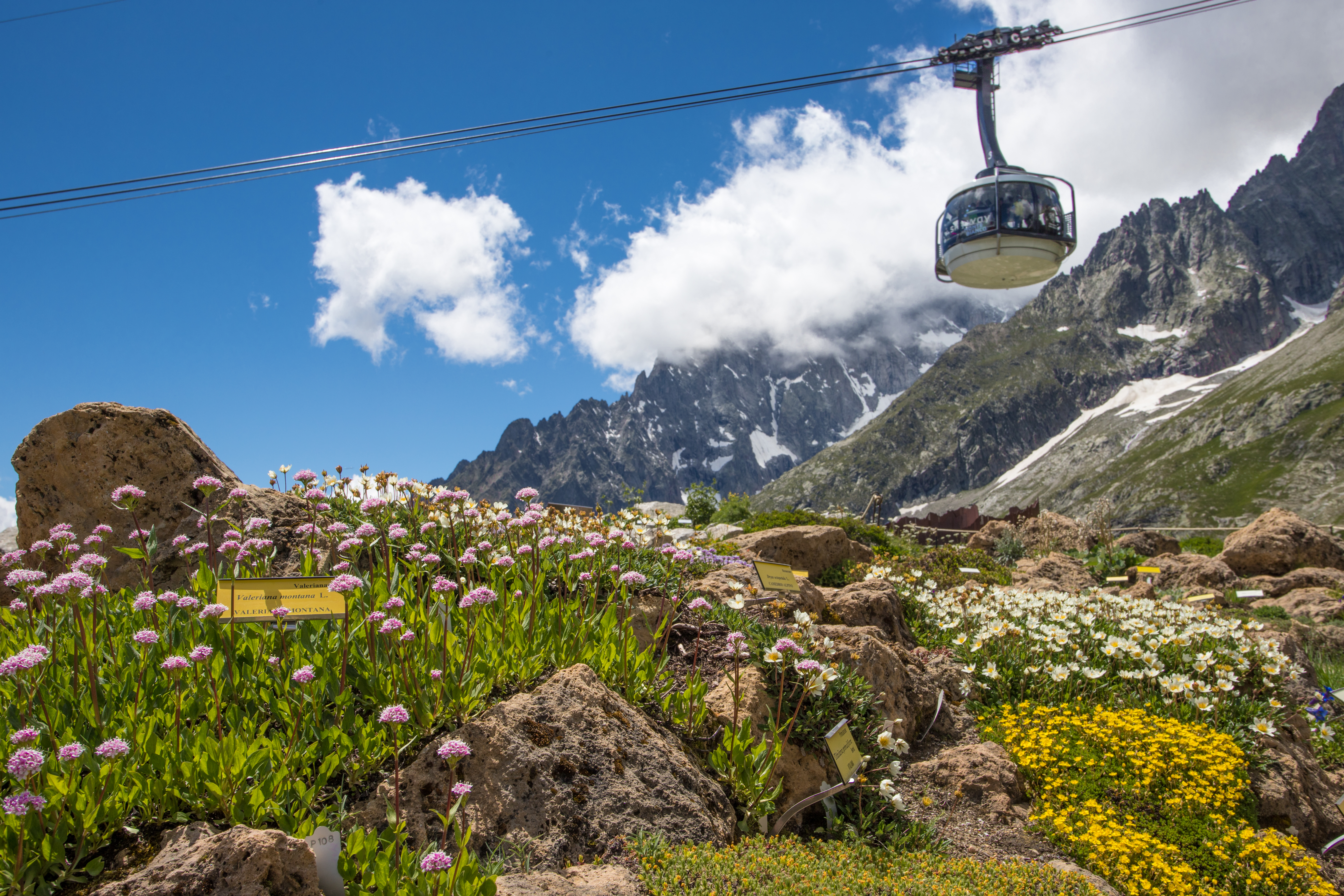
At 2,170 meters above sea level, in a natural amphitheater overlooking Mont Blanc and surrounded by majestic peaks, lies Chanousia: one of the oldest alpine botanical gardens in Europe. Its history is inseparable from that of the Efisio Noussan Regional Museum of Natural Sciences in Saint-Pierre, not only because of the people who founded and saved them, but also because of the spirit that inspires them: the belief that understanding Alpine nature is the first step toward protecting it.
Pierre Chanoux and the founding of the garden
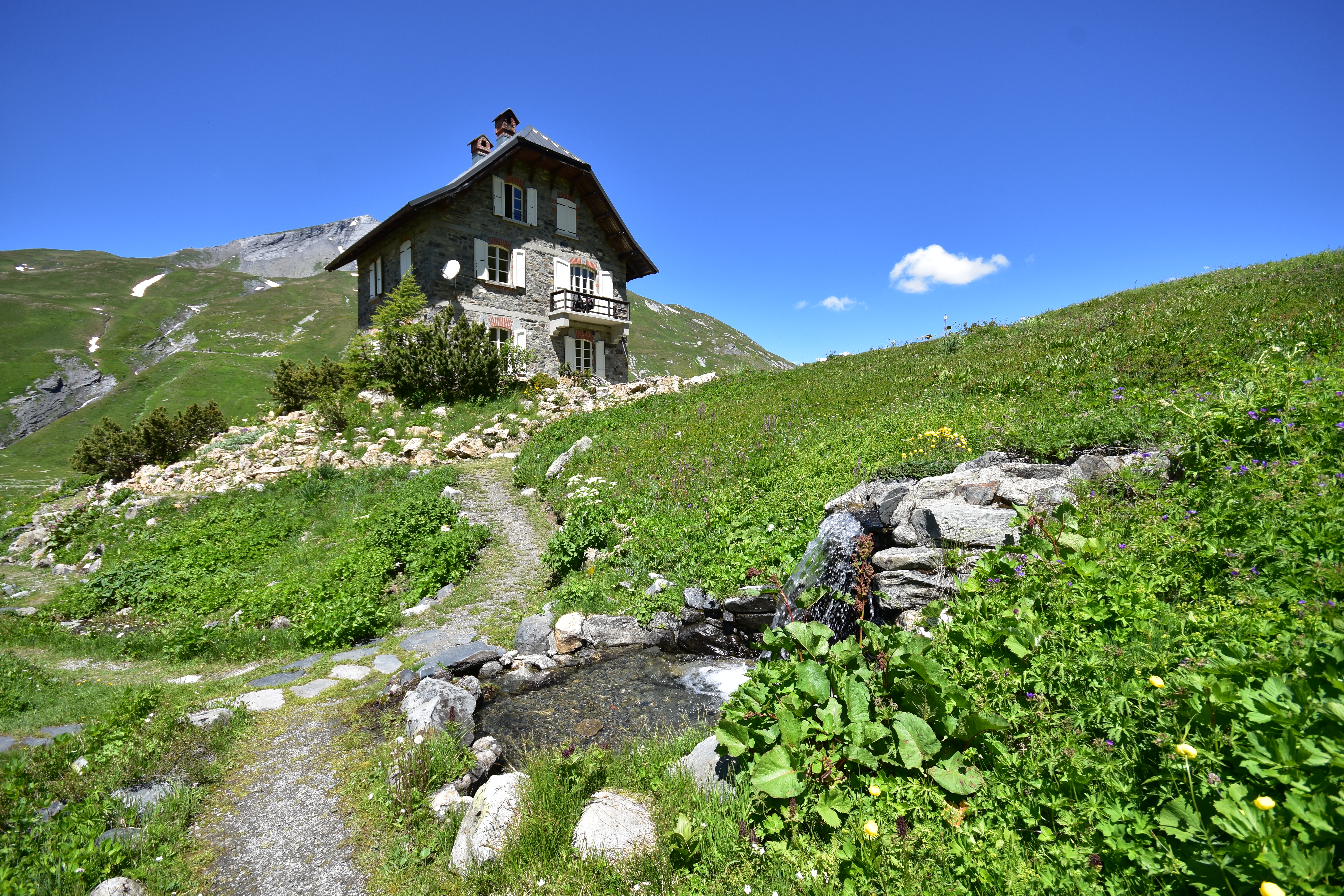
The history of the garden began in the second half of the 19th century, when the Aosta Valley abbot Pierre Chanoux (1828–1909), rector from 1860 of the Mauritian Order Hospice located on the pass, and a distinguished naturalist and botanist, began collecting many species of alpine plants in a plot of land in front of the Hospice, used as a kitchen and ornamental garden. His aim was both to test whether they could be cultivated at such a high altitude and to teach tourists and mountain dwellers to appreciate and recognize them.
The garden was named Chanousia in honor of its founder. It was an ambitious project given the extreme climatic conditions of the pass, with snowfall ranging from 4 to 8 meters that lasted until June and often into early July, an average annual temperature of +1°C, and a growing season of only two or three months. But Chanoux was not discouraged. The garden was created as a tribute to Alpine biodiversity and soon became famous throughout Europe for the richness of its collections.
Pierre Chanoux was an abbé savant in the fullest sense of the term: a clergyman who combined his religious vocation with a genuine scientific passion for Alpine flora, in perfect continuity with the tradition of the naturalist canons who had founded the Société d’Histoire Naturelle Valdôtaine in 1858.
Lino Vaccari and the garden’s golden age
After Chanoux’s death in 1909, the garden came under the direction of Lino Vaccari, a naturalist originally from the Veneto who taught natural sciences at the high school in Aosta and had been Chanoux’s principal collaborator in researching and organizing the plants cultivated in the garden. His deep knowledge of Alpine flora, particularly that of the Aosta Valley, enabled Vaccari to bring Chanousia to the height of its development. By the 1940s, more than 2,500 alpine species were cultivated there, originating not only from the Alps but also from mountain ranges around the world, and the garden had earned an international scientific reputation.
Vaccari is a central figure in the natural history of the Aosta Valley. The regional floristic catalog that he had begun but was unable to complete before his death was the very project that the Société de la Flore Valdôtaine, re-established in the 1970s, committed itself to completing under the presidency of Efisio Noussan.
The Second World War and the devastation
Chanousia had to be abandoned in haste in September 1943 because of the events of the Second World War, which subsequently led to the almost complete destruction of the garden’s buildings as well as the Hospice, and to the loss of all its scientific material, including equipment, books, and herbaria. The cultivated plants also suffered severe damage as a result of the many years of neglect that followed.
Following the 1947 peace treaty between France and Italy, the section of the pass where the Hospice and the garden stand became part of French territory. The garden was left abandoned and, no longer maintained, lost much of its plant collection due to neglect and the removal of specimens, not always carried out in good faith. Vaccari never returned to see his Chanousia again and died in Rome in 1951, deeply saddened by the severe damage the garden had suffered because of the war and abandonment.
The rebirth: Noussan and the Société de la Flore Valdôtaine
Noussan devoted enormous effort to the reconstruction of Chanousia, which had been abandoned during the Second World War. In 1976, his perseverance was rewarded, and restoration work began, soon returning the garden to botanists, specialists, and nature enthusiasts.
During the 1970s, thanks to the efforts of the Société de la Flore Valdôtaine, the support of the Société d’Histoire Naturelle de la Savoie, and the involvement of renowned botanists, an agreement was reached between France and Italy, leading to the creation of an International Association to manage Chanousia. The reconstruction work was officially inaugurated on July 4, 1976.
The reconstruction of Chanousia was one of the four main priorities set by the re-established Société de la Flore Valdôtaine in 1971, alongside the resumption of scientific publications, the re-establishment of the Museum, and the completion of Vaccari’s floristic catalog. All four objectives were achieved under the tireless leadership of Efisio Noussan.
Chanousia today
Today, approximately 1,200 species are cultivated, still far fewer than the extraordinary diversity that existed at Chanousia before its destruction. The work of rebuilding the collections continues every year through field collecting, exchanges with other alpine botanical gardens around the world, and nursery propagation programs.
The Chanousia Alpine Botanical Garden covers approximately 8,000 square meters at an altitude of 2,170 meters. It now hosts more than 800 species and includes a small museum. It is open from early July until the third Sunday of September, from 9:00 a.m. to 7:00 p.m. Admission is charged.
To reach it, follow the Little St Bernard state road toward France from La Thuile. The garden is located on the French side of the pass, in the municipality of Séez, about 800 meters from the Italian-French border. The internal paths are accessible only on foot.
The connection with the Saint-Pierre Museum
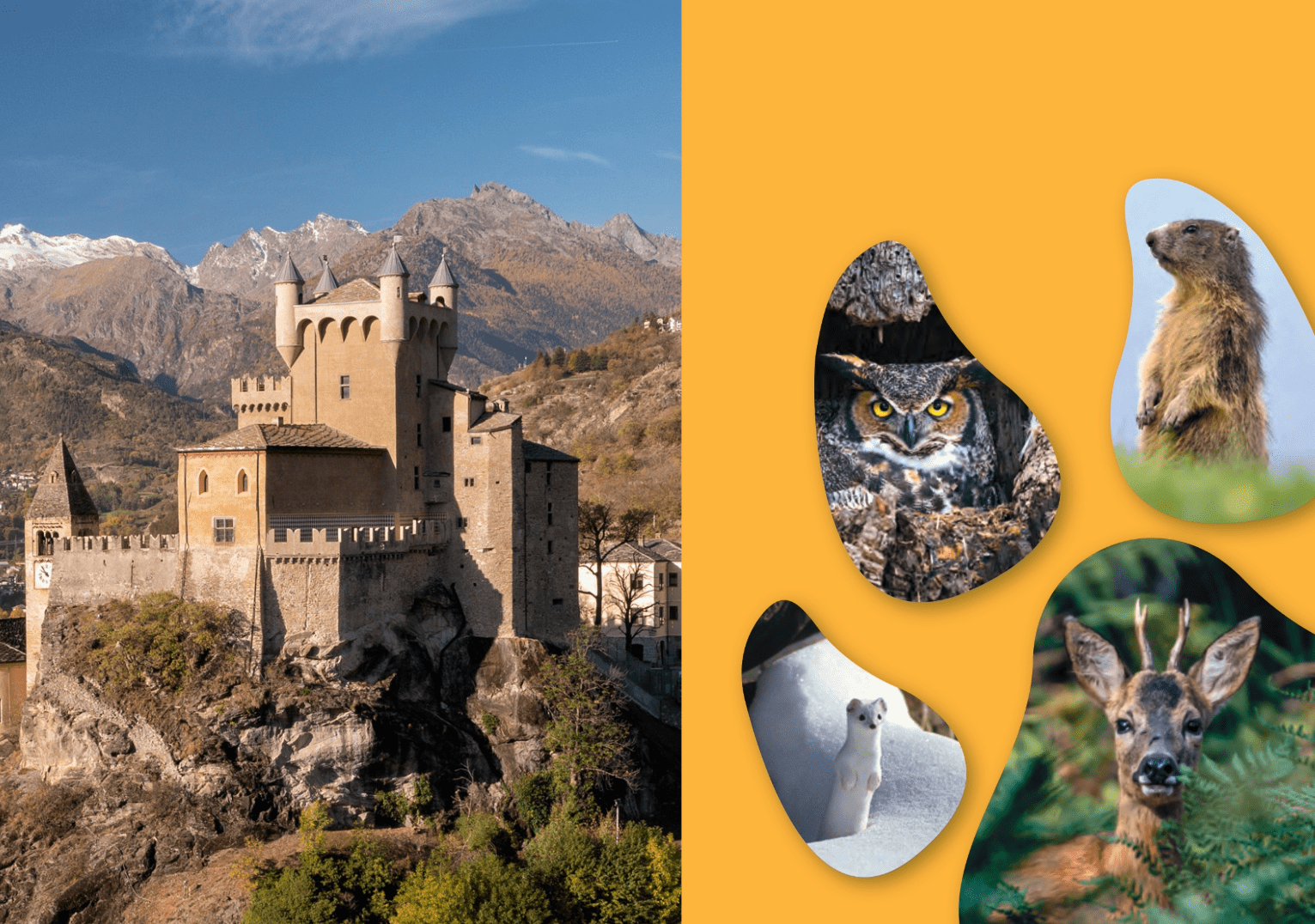
Visiting Chanousia after the Saint-Pierre Museum completes the circle: seeing in person the same species preserved in the historic herbaria displayed in the castle’s galleries, breathing the air of the pass where Pierre Chanoux collected alpine plants at the end of the 19th century, and understanding why that passion was worth preserving.
Photo: Davide Bazzani - Archive RAVA