The medieval prisons of Saint-Pierre Castle
A hidden history beneath the Museum halls
Estimated reading time
6
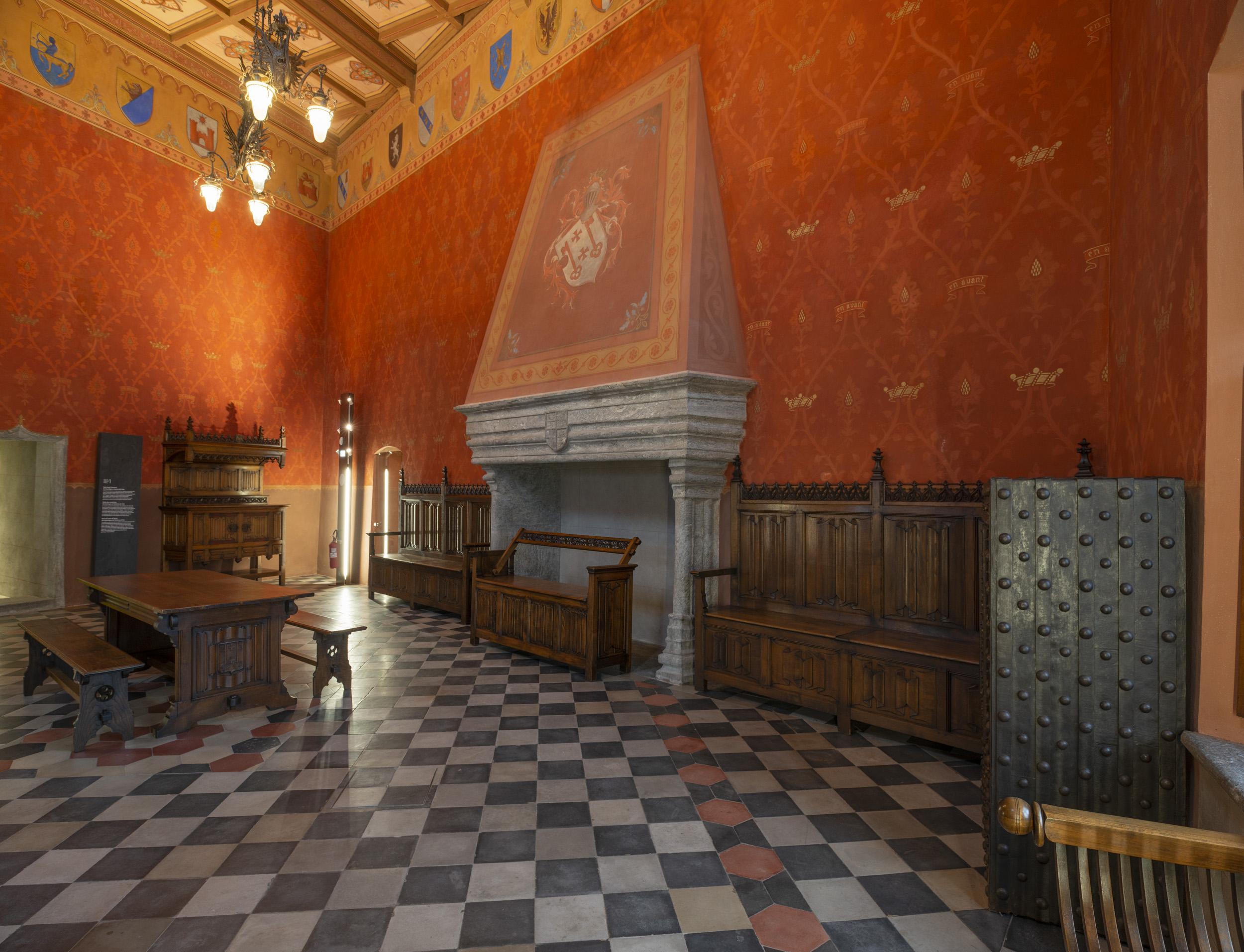
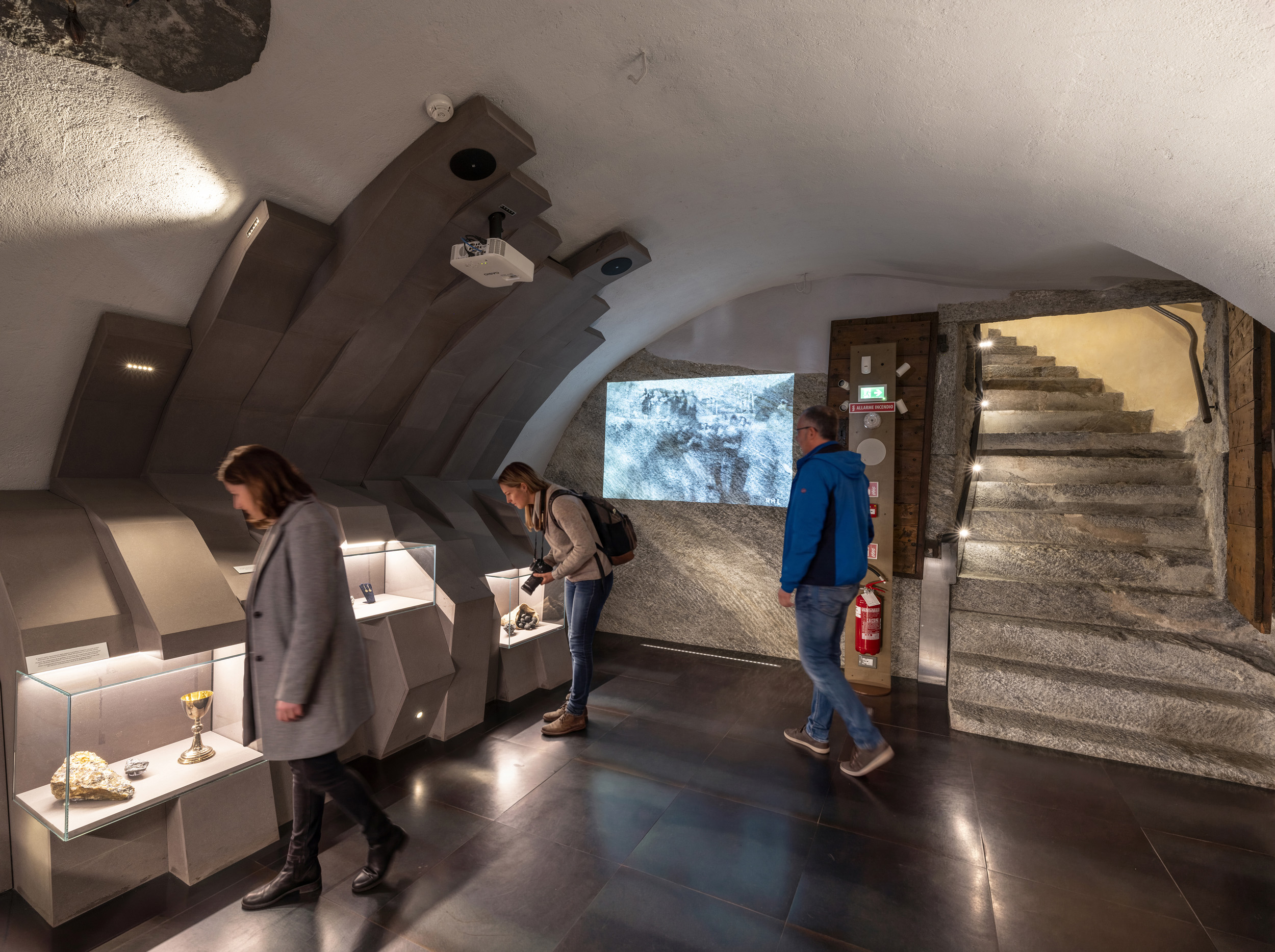
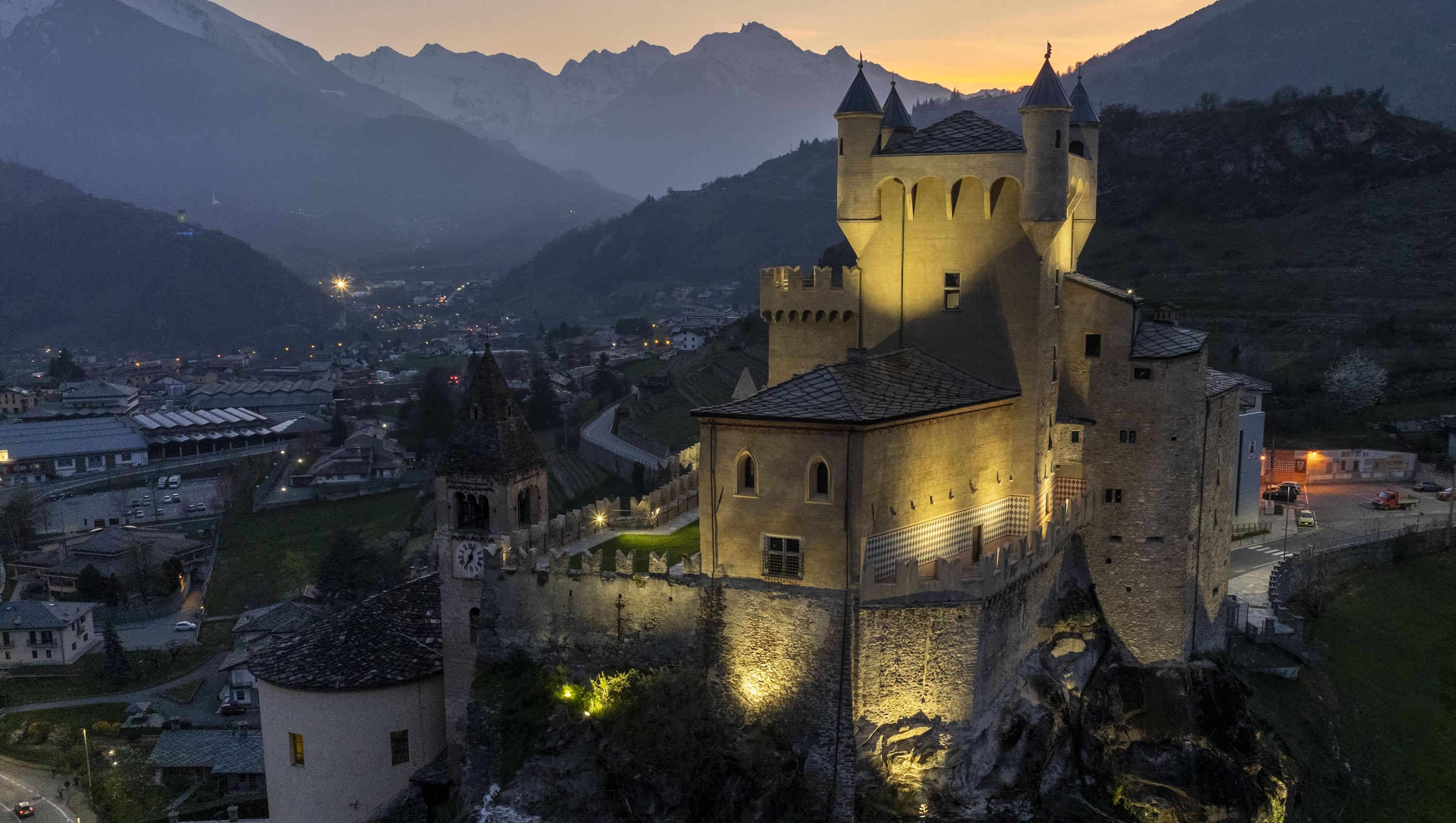
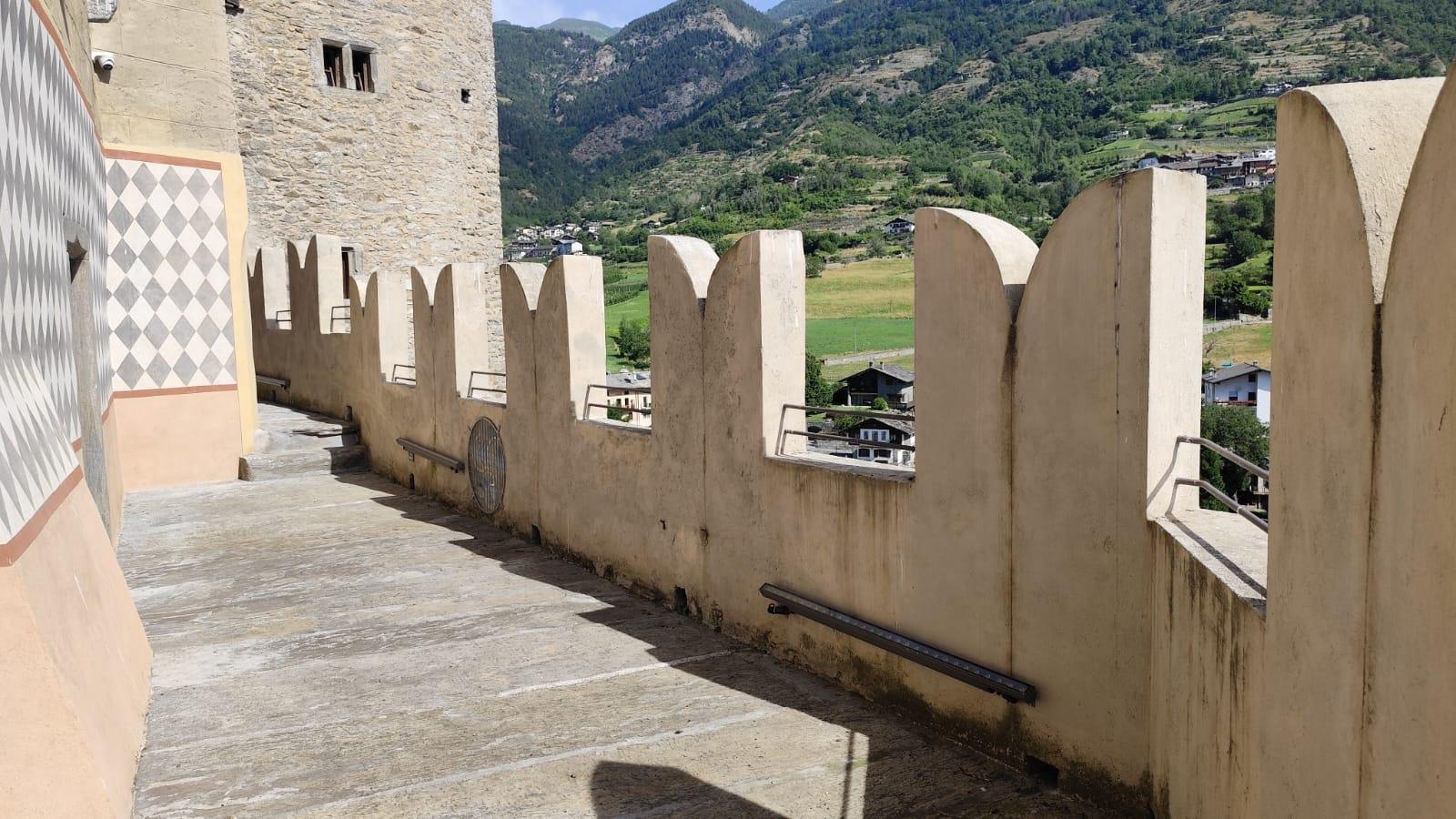
The central keep of the castle originally housed direct passageways leading to the cells on the northern side. Nineteenth-century restorations sealed them off, but the architectural traces still tell that story.
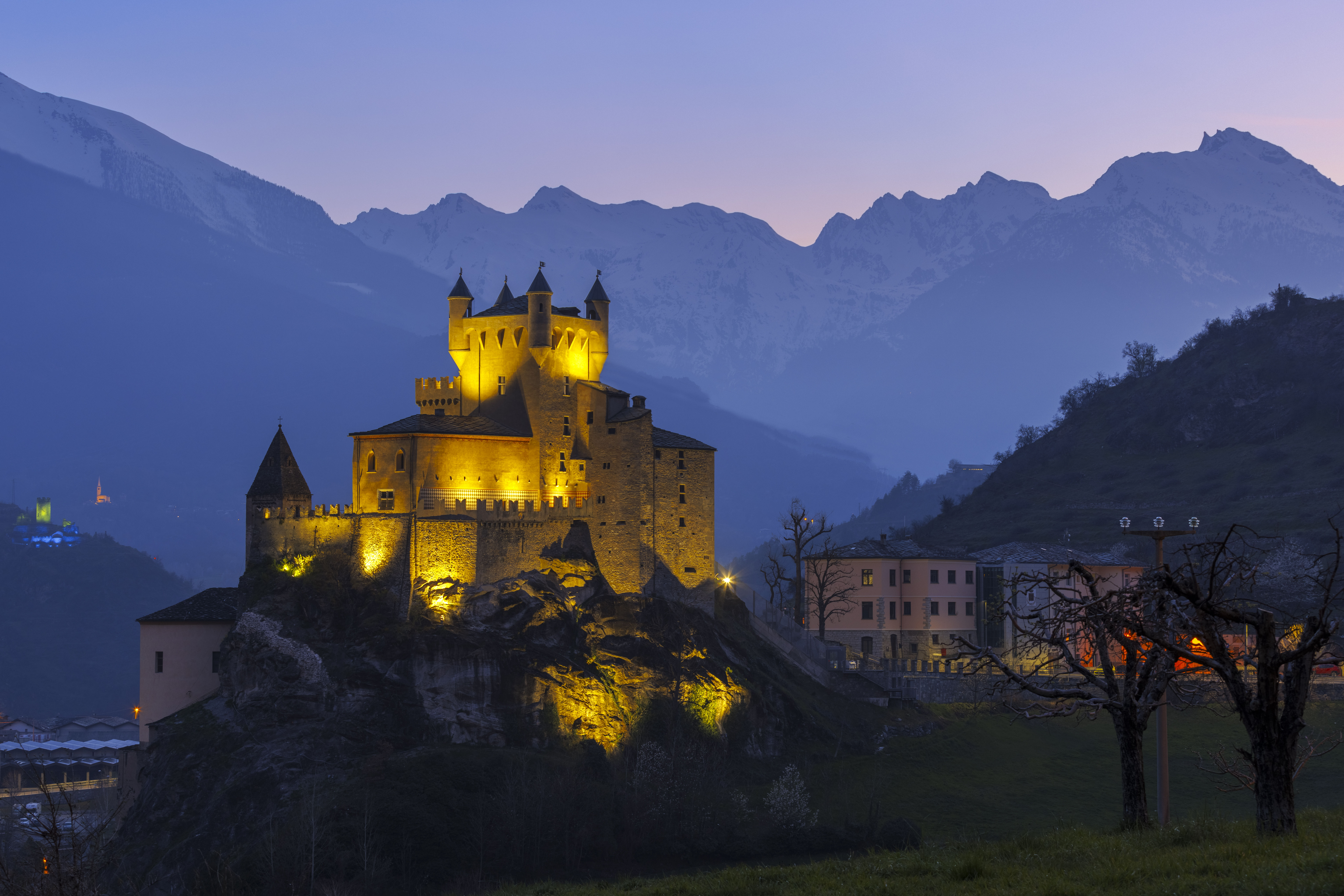
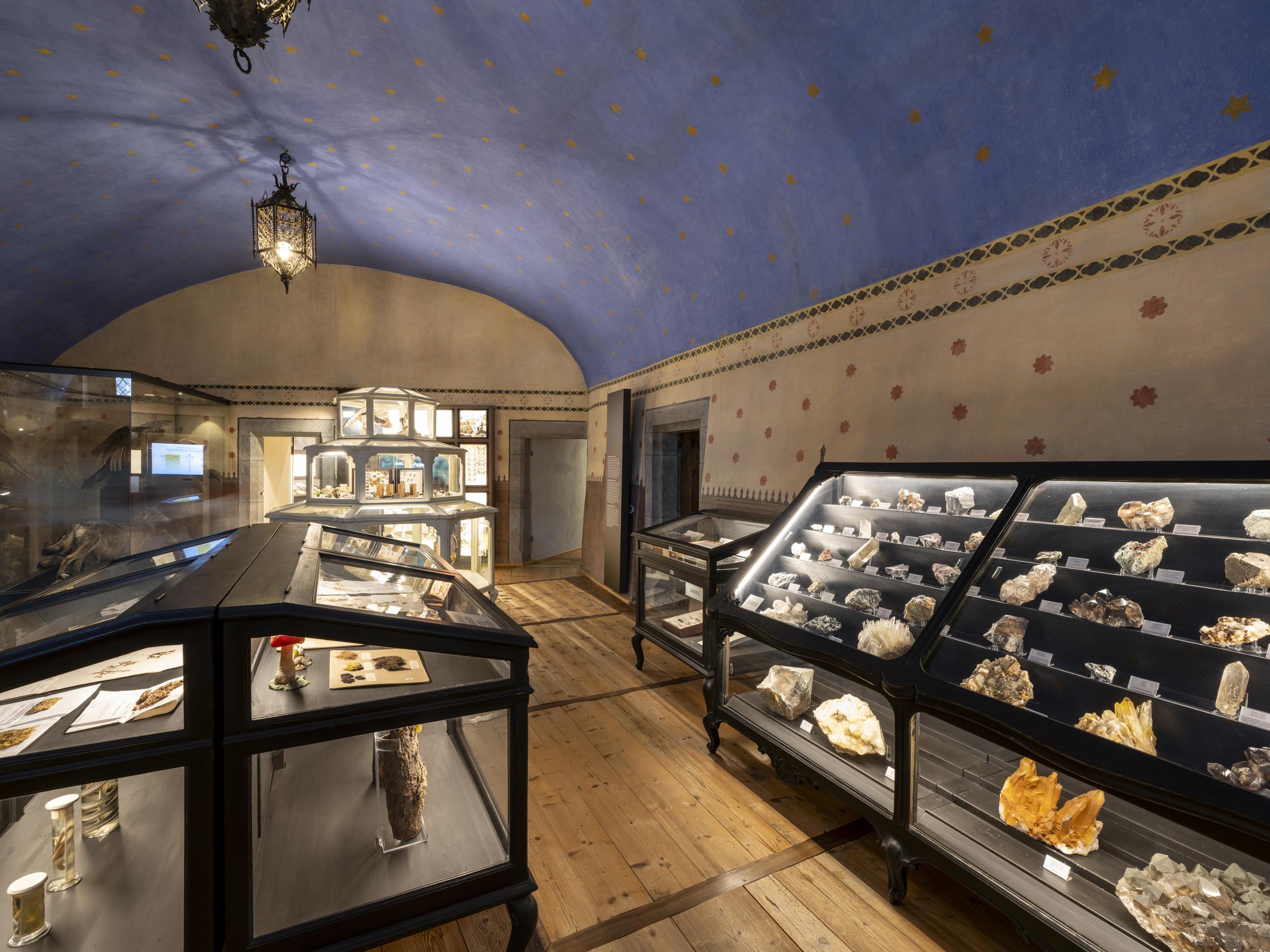
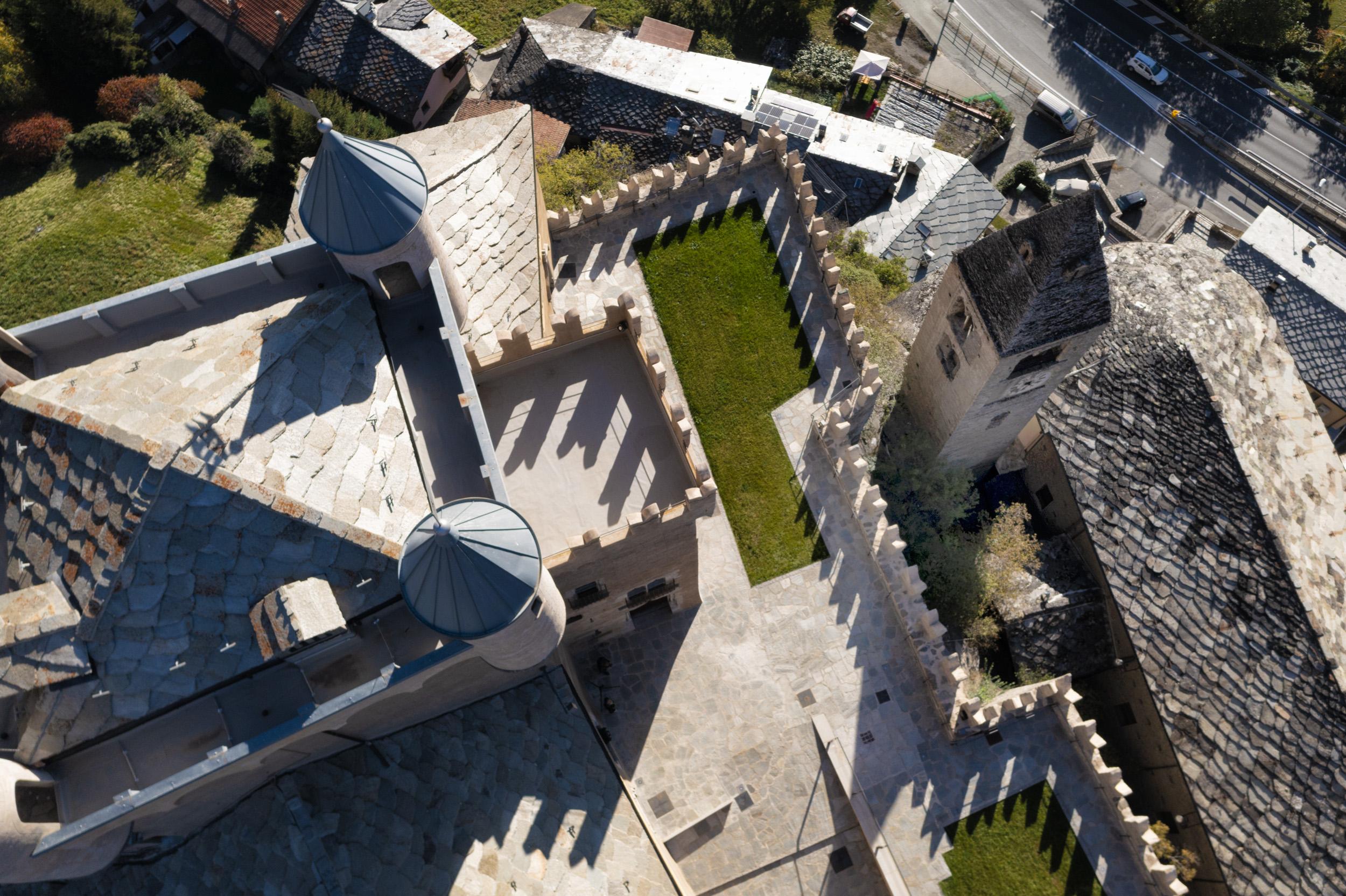
Saint-Pierre Castle is known as one of the most fascinating museum sites in the Aosta Valley. Beneath the halls that today house the natural history collections of the Efisio Noussan Regional Museum of Natural Sciences, the castle conceals layers of history that are far older and far less known to the general public. One of the most surprising concerns the medieval prisons of the central keep.
The central keep and the historians’ mistake
For a long time, the lower level of the central keep of Saint-Pierre Castle was identified by scholars as the medieval donjon of the building: the main watchtower and defensive structure, the military heart of the castle. This interpretation was eventually proven incorrect, as demonstrated by archaeological and architectural research conducted throughout the twentieth century.The castle’s true donjon is the western tower, built between the 12th and 13th centuries after demolishing an even older structure (the so-called sala domini of the 10th century), whose walls were nearly two meters thick. It is the oldest surviving building in the entire castle complex.
The passages to the prisons
The lower level of the central keep nevertheless served an equally significant function. Originally, this space was connected by direct passageways to the prisons located on the northern side of the castle: the coldest slope, less exposed to light and farther from the representative rooms. This was a typical placement for medieval prison facilities, designed to maximize the discomfort and isolation of inmates.Today, those prisons are no longer accessible. The extensive nineteenth-century restorations commissioned by Baron Federico Emanuele Bollati (who purchased the castle in 1873 and entrusted its transformation to the Canavese engineer Camillo Boggio) profoundly altered the building’s internal layout, sealing the passages to the cells and removing that part of the castle from internal circulation. Traces of their existence survive in the masonry, identified by archaeologists during the stratigraphic investigations carried out on the building.
From prison to dining room
The very room that, during the medieval period, served as an antechamber to the prisons became, in the nineteenth century, one of the castle’s most elegant spaces: the dining room of the bourgeois residence that Bollati envisioned for the restored building. The walls were decorated with white vertical panels separated by green and blue bands, topped by a blue frieze adorned with yellow interlacing motifs: a refined decoration typical of the eclectic taste of the second half of the nineteenth century. Part of this decoration can still be seen beneath later layers of plaster, standing as a silent testimony to a transformation that spanned centuries of Aosta Valley history.
A layering of histories
The story of the central keep of Saint-Pierre Castle is emblematic of the historical complexity of the entire building. Within just a few square meters, at least three distinct eras overlap and intertwine: the medieval castle with its defensive and prison structures, the nineteenth-century bourgeois residence with its eclectic decorations, and the contemporary natural history museum with its collections on the biodiversity of the Aosta Valley.It is this layering—physical, visible, and legible in the masonry and spaces—that makes Saint-Pierre Castle one of the culturally richest places in the Aosta Valley. A building that has never ceased to tell different stories to those who stop to listen.
Photo: Archives RAVA