
The Plant Germplasm Bank of Aosta Valley
How the Saint-Pierre Museum Preserves the Future of Alpine Flora
Estimated reading time
5
Seeds and spores of more than 80 Aosta Valley plant species preserved at minus 20 degrees Celsius at the La Salle operational headquarters: how the Germplasm Bank of the Efisio Noussan Museum works and why it is a key tool for Alpine biodiversity.
At the operational headquarters of the Efisio Noussan Regional Museum of Natural Sciences in La Salle, there are freezers set to minus 20 degrees Celsius holding seeds and spores of more than 80 different plant species belonging to 25 botanical families, all present in the Aosta Valley region. Some species are rare. Some are threatened by climate change or habitat loss. Some, without this repository, could disappear from Aosta Valley without a trace.
It is called the Plant Germplasm Bank of Aosta Valley, and it is one of the most practical scientific tools that the Museum provides for the conservation of regional Alpine biodiversity.
What Germplasm Is and Why to Preserve It
The term germplasm refers to the hereditary genetic material of a living organism: seeds, spores, pollen, and meristematic tissues contain all the genetic information needed to create a new plant. In practice, preserving germplasm means preserving the regeneration potential of a species even when it has disappeared or been reduced to a few populations in its natural habitat.
The preservation of germplasm outside its natural habitat is called ex situ conservation, and it works alongside—without replacing—the in situ conservation of species in their original environments. The two strategies complement each other: in situ conservation protects existing populations in the territory, while ex situ conservation guarantees a genetic reserve to draw upon when necessary.
How the Bank Works: From Harvesting to the Freezer
The germplasm conservation process is divided into distinct stages, each governed by precise protocols that determine the quality and longevity of the preserved material.
The first stage is harvesting in the wild: seeds are collected across the Aosta Valley region when they reach optimal maturity, following criteria that ensure the genetic representativeness of the source population. Seeds are not collected in excessive numbers from a single plant; instead, samples are gathered across multiple individuals and populations of the same species to capture the genetic variability present in the region.
After harvesting, the seeds are cleaned of impurities, counted, and subjected to controlled dehydration: reducing water content is essential to guarantee the material’s longevity during storage. Seeds that are too moist deteriorate quickly, even at low temperatures.
The dehydrated seeds are then stored in double airtight glass containers inside freezers at minus 20 degrees Celsius. At this temperature, metabolic processes cease, and the genetic material can remain viable for decades—and in some cases, centuries—without losing its ability to germinate.
Germination Tests and Reintroduction into the Wild
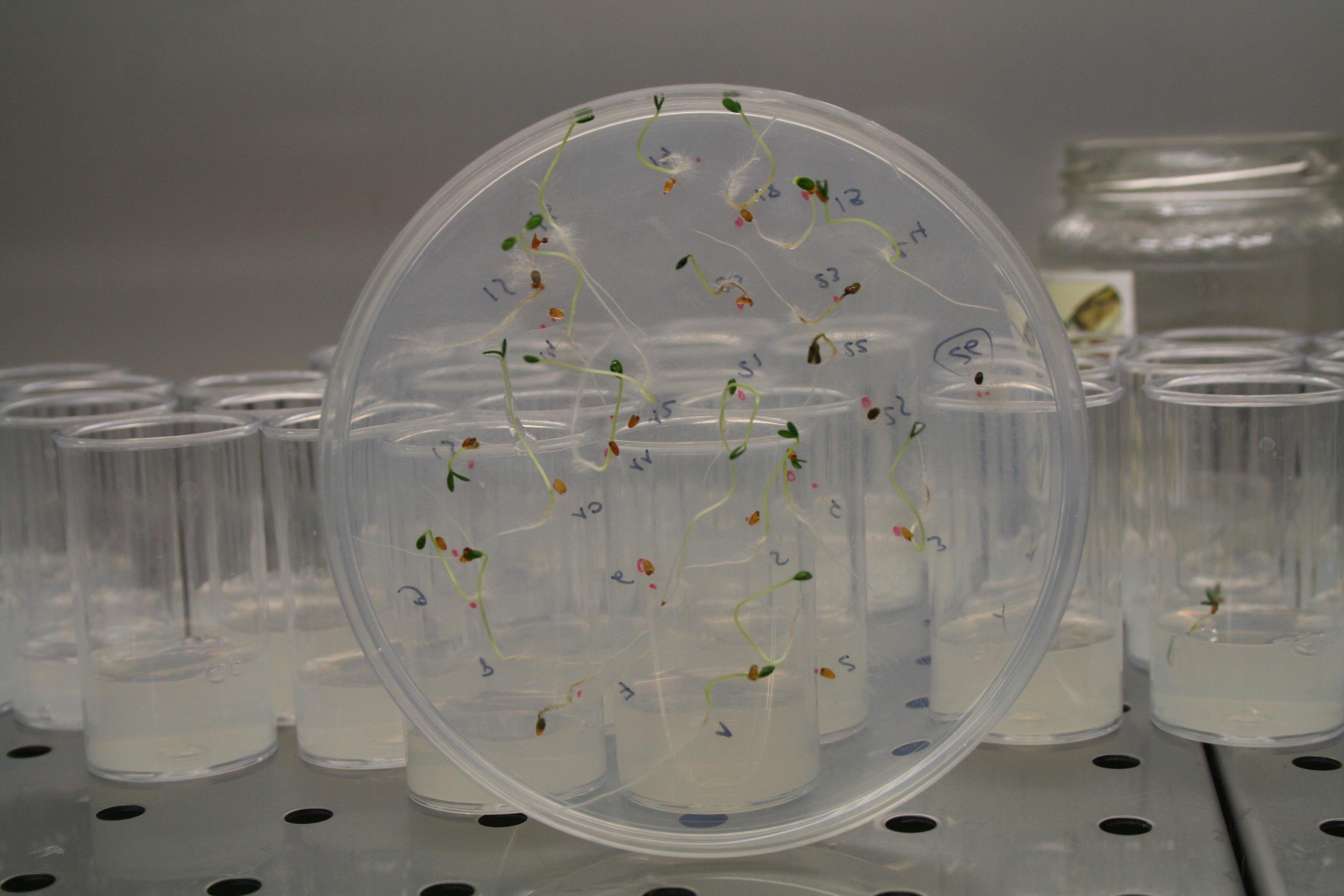
Germplasm conservation is not a static repository. Periodically, laboratory staff conduct germination tests on samples of the stored material to verify that the seeds have retained their viability over time. If the tests are successful, the seeds remain suitable for storage. If viability drops below the safety threshold, new collections or material regeneration must take place.
Regeneration involves germinating the seeds and growing the seedlings until they produce new seeds, which are then stored once again. This process makes it possible to keep the germplasm alive over the long term.
Seedlings produced during regeneration operations are not discarded: they are designated for Alpine Botanical Gardens. To date, the Aosta Valley Germplasm Bank has produced around 150 seedlings from 8 different species, including Artemisia campestris, Carex limosa, Cladium mariscus, and Hypericum tetrapterum.
The RIBES Network and National Collaboration
Since 2017, the Aosta Valley Germplasm Bank has been part of RIBES, the Italian Network of Germplasm Banks for the ex situ Conservation of Wild Italian Flora. The network coordinates conservation activities on a national scale, promotes the exchange of genetic material among participating institutions, and ensures the duplication of germplasm across different locations, reducing the risk of accidental collection loss.
Participation in RIBES embeds the Aosta Valley Germplasm Bank within a scientific network extending far beyond regional borders, connecting it to universities, museums, national parks, and regional parks across Italy that share the same goals of wild plant biodiversity conservation.
The Connection with the Biotechnology Laboratory
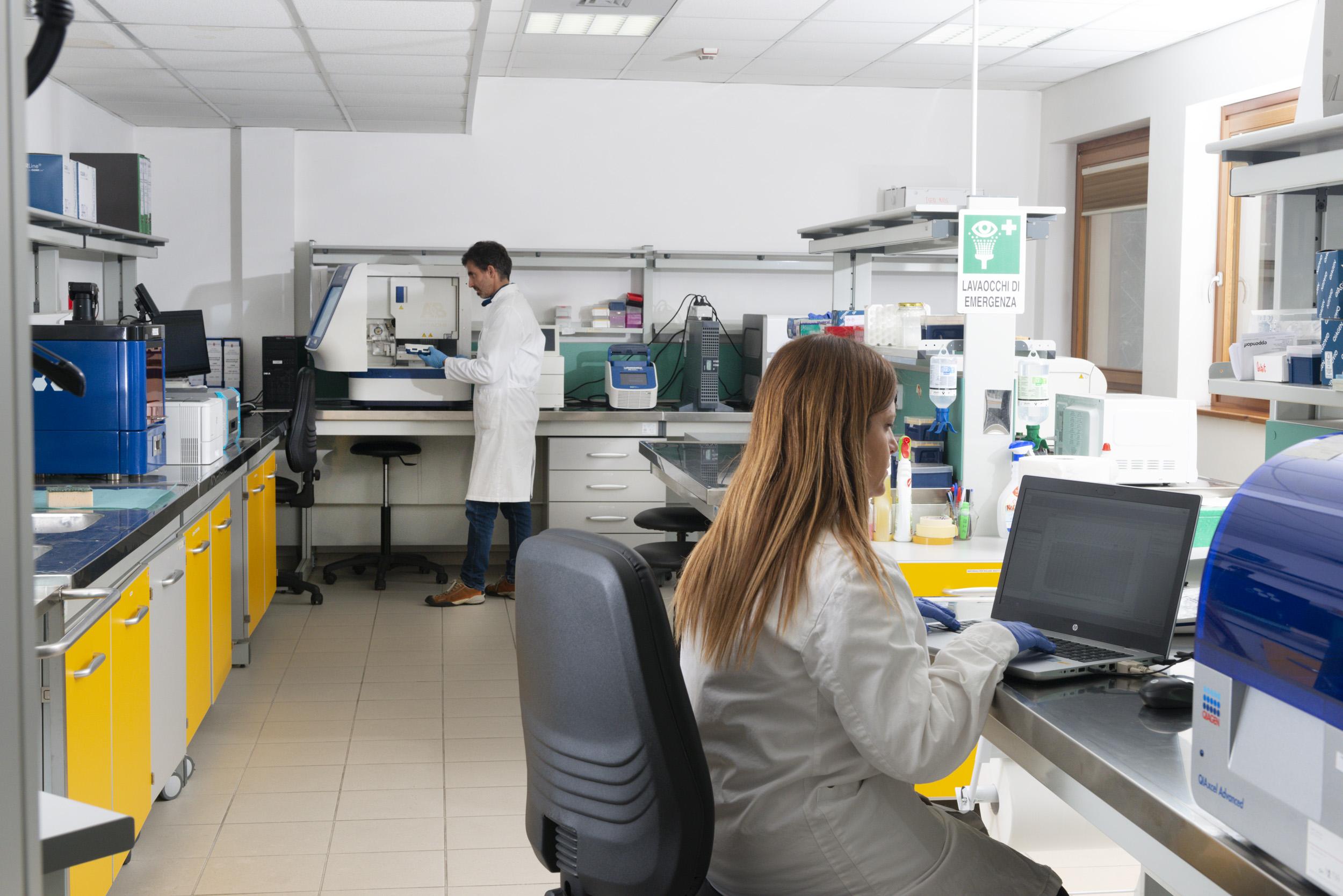
The operations of the Germplasm Bank are closely integrated with those of the Museum’s biotechnology laboratory. The genetic characterization of preserved species, carried out through DNA barcoding and DNA genotyping techniques, allows researchers to assess the genetic variability of sampled populations and optimize collection strategies. Knowing how many distinct populations of a species exist in the region, and how genetically different they are from one another, is crucial for deciding where and in what quantities to collect seeds.
This integration between germplasm conservation and genetic analysis is one of the key elements distinguishing the Aosta Valley Germplasm Bank from a simple seed repository: it is a scientific system in which collection, preservation, and characterization reinforce one another, generating knowledge that improves the effectiveness of all three activities.
Photo: RAVA archive