The Paradisia Alpine Botanical Garden in Cogne
Alpine Flora and Biodiversity in the Heart of Gran Paradiso National Park
Estimated reading time
5
Founded in 1955 in Valnontey, at 1,700 meters above sea level, Paradisia is home to more than 1,000 species of alpine plants and is one of Italy’s most important alpine botanical gardens. A natural stop after visiting the Saint-Pierre Museum.
In the heart of the Aosta Valley Alps, at an altitude of 1,700 meters, in the Valnontey valley in Cogne, lies the Paradisia Alpine Botanical Garden: a place of study, research, and beauty located within Gran Paradiso National Park. Founded in July 1955, the garden takes its name from Paradisea liliastrum (the mountain lily with its delicate white flowers) and is home to around 1,000 species of plants and flowers from the Alps and the Apennines, as well as examples of flora from other mountain ranges around the world.
Origins and mission
The Paradisia Alpine Botanical Garden was established in July 1955. Valnontey, at 1,700 meters above sea level, was chosen as its location because of its relatively moderate altitude, the characteristics of the soil, and its exposure, which make it possible to recreate a variety of habitats.
Its mission has remained unchanged throughout its seventy-year history: to protect, study, and promote knowledge of alpine flora, bringing visitors of all ages closer to the botanical biodiversity of the Alps. The name Paradisia does not derive from the Gran Paradiso massif but from Paradisea liliastrum, a beautiful white lily found in the surrounding area.
The botanical heritage
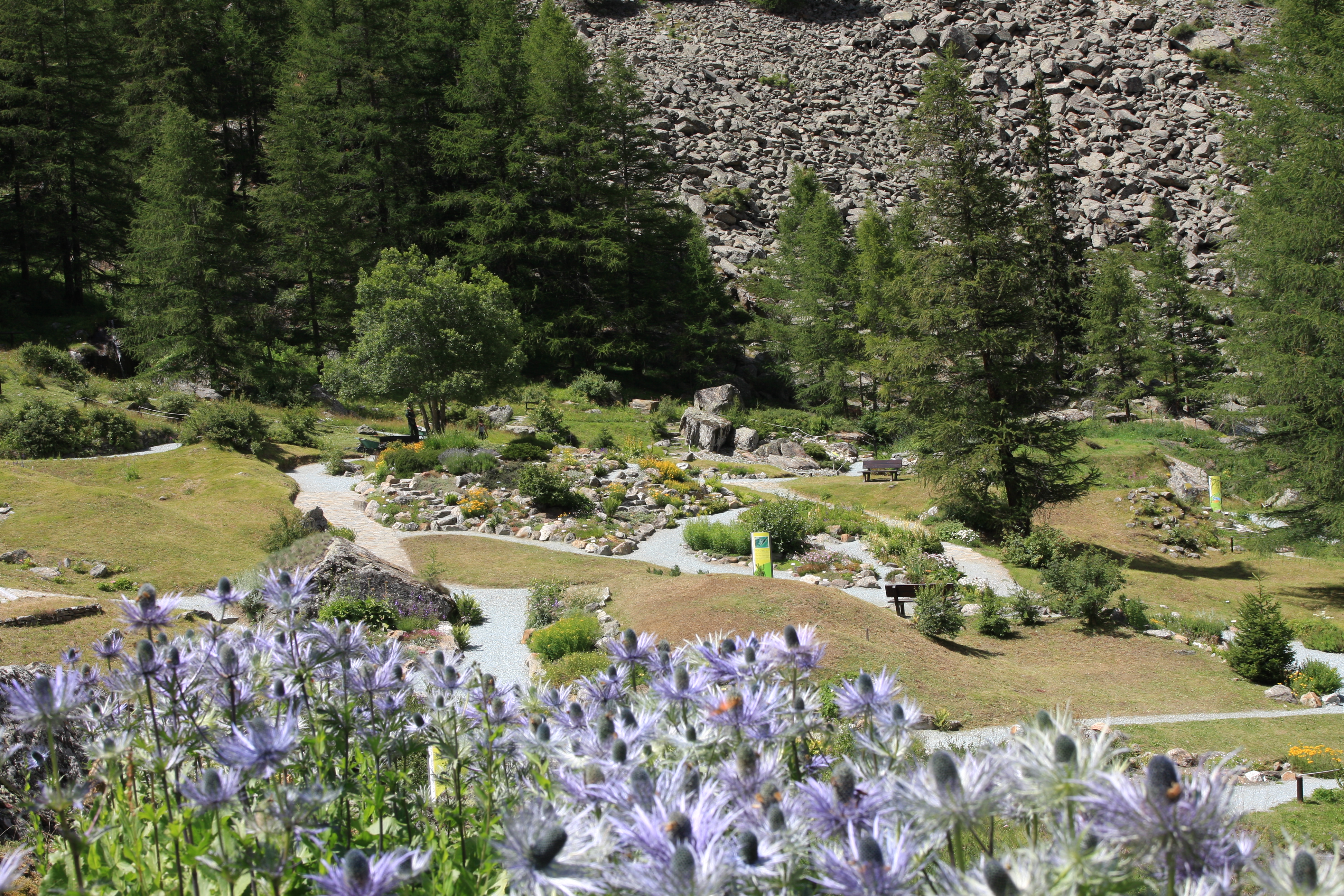
Several itineraries and themed trails allow visitors to explore the Paradisia Botanical Garden in a thoughtful and personalized way, discovering the characteristics, properties, and curiosities of its many plant species. Within the garden, several surrounding mountain environments have been recreated, including vegetation typical of wetlands, moraines, and calcareous scree.
Among the most significant species found in the garden are Paradisea liliastrum, which gives the garden its name, Cortusa matthioli, an endangered species known for its medicinal properties, and Pinguicula vulgaris, a rare small carnivorous plant typical of alpine wetlands.
Paradisia also collects seeds both within the garden and in the wild to produce a catalog (the Index Seminum), through which it exchanges seeds with botanical gardens and arboreta around the world. This practice is shared with Chanousia at the Little St. Bernard Pass and demonstrates how the alpine botanical gardens of the Aosta Valley are part of a vibrant and active international scientific network.
The surrounding wildlife
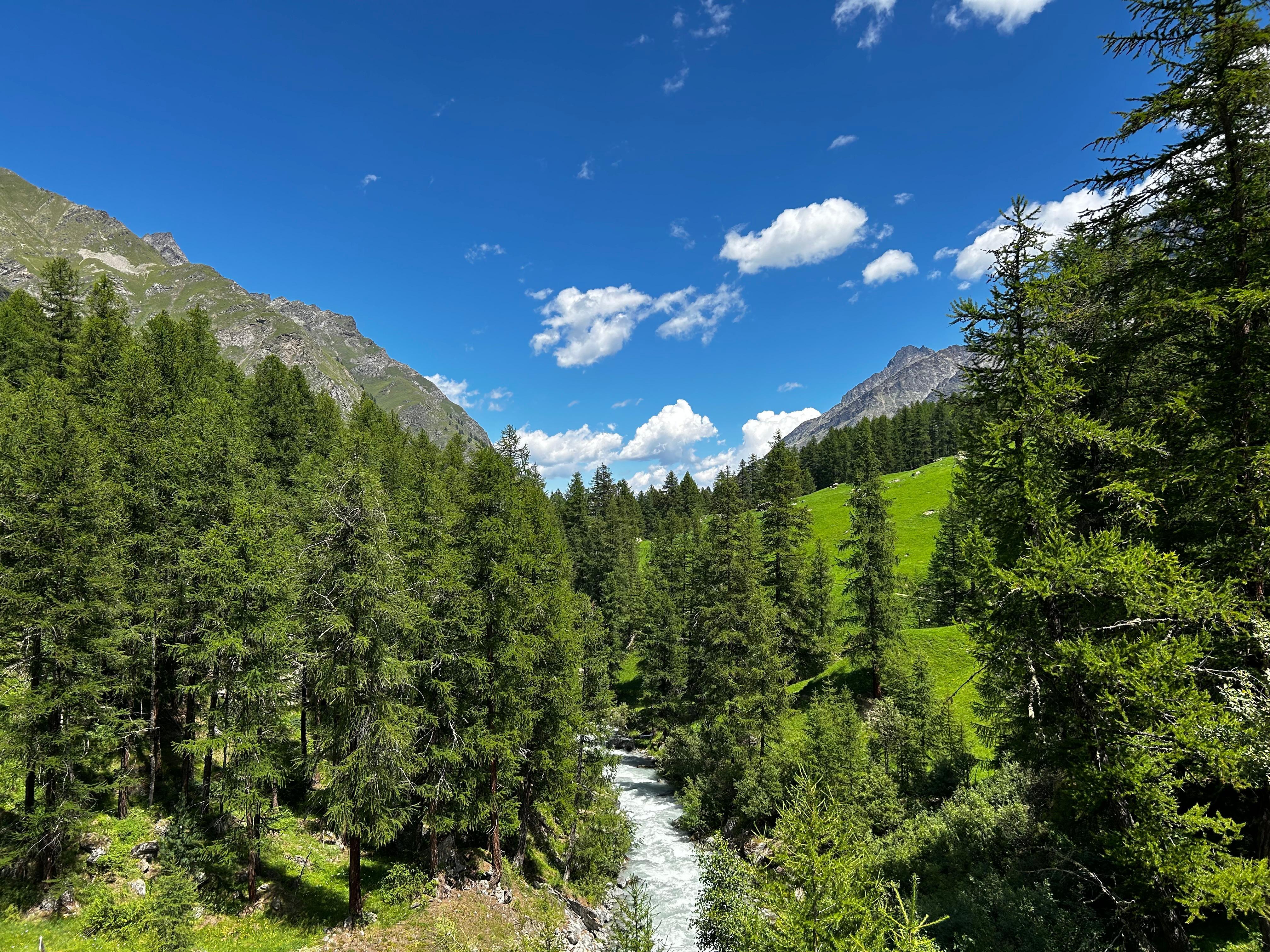
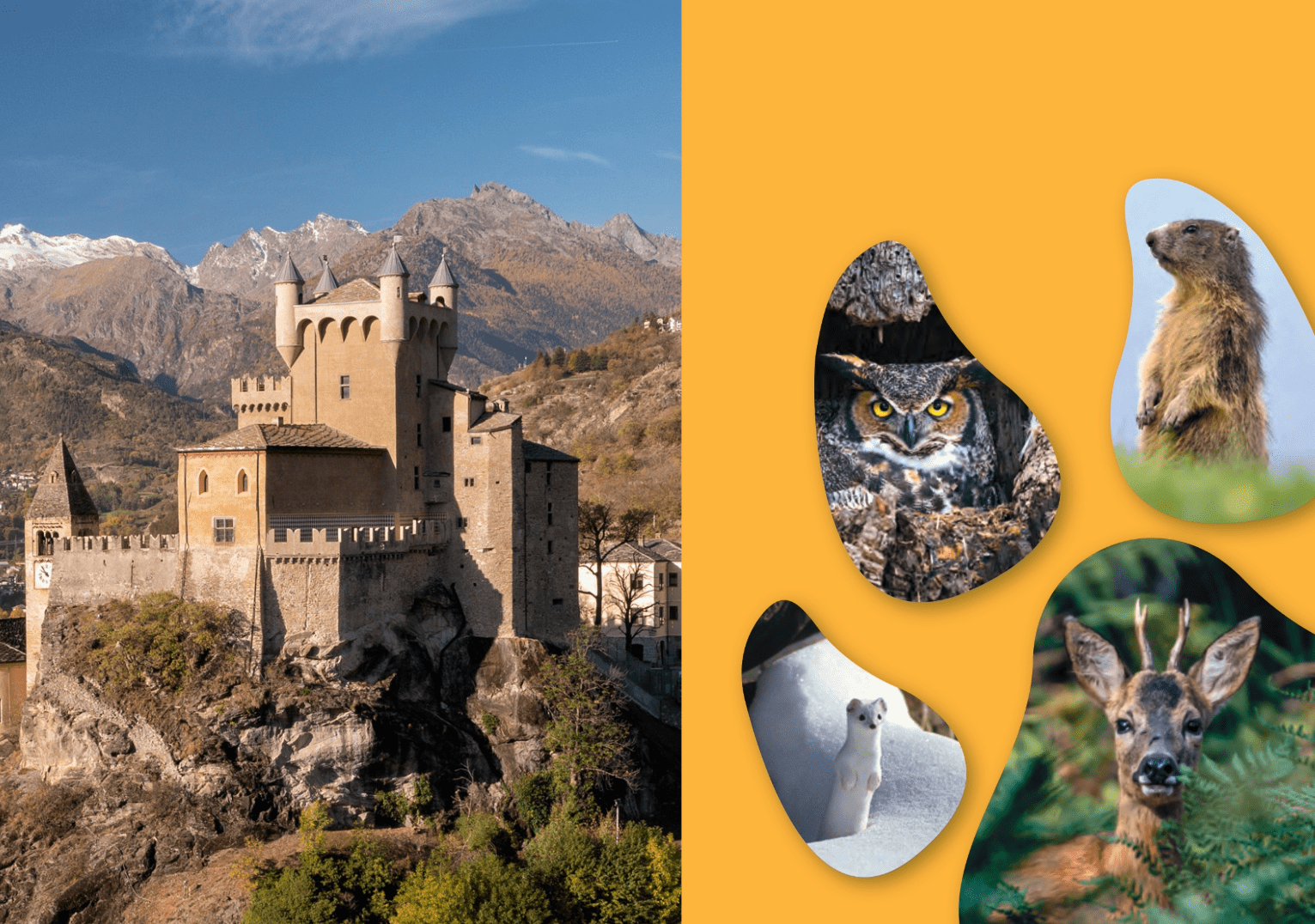
Paradisia is not only about flora. The garden is located in one of the most beautiful valleys of the park, at the foot of the Gran Paradiso glaciers, an area rich in wildlife where it is easy to spot chamois, marmots, ibex, eagles, bearded vultures, squirrels, and other alpine animals. A visit to the garden naturally fits into an exceptional natural setting, making Valnontey one of the most visited and appreciated valleys in the entire Alpine arc.
When to visit
The Paradisia Alpine Botanical Garden is open from mid-June to mid-September. The best time to admire its spectacular flowering season is from late June to early July. Opening hours are from 10:00 a.m. to 5:30 p.m. in June and September, and from 10:00 a.m. to 6:30 p.m. in July and August. Admission is charged.
Every day during the opening season, free guided tours are available at 10:30 a.m., 2:30 p.m., and 4:30 p.m.
To reach Paradisia, follow the regional road from Aosta to Cogne, then continue to the hamlet of Valnontey, about 3 kilometers from the town center. The Aosta–Cogne bus line is also available, with seven daily services.
The connection with the Saint-Pierre Museum
The Paradisia Alpine Botanical Garden and the Efisio Noussan Regional Museum of Natural Sciences share a common goal: protecting and promoting the alpine biodiversity of the Aosta Valley. While the museum tells the story of nature through its collections, specimens, and research laboratories, Paradisia presents it alive, in its seasonal rhythms and ecological complexity.
A visit to the Saint-Pierre Museum and a walk among the rock gardens of Paradisia are two complementary experiences: the first provides the tools to understand nature, while the second offers the opportunity to see and experience firsthand what has been learned.
Photo: Archive RAVA