Adret e envers
The contrast of the Aosta Valley slopes as told in Room 6 of the Saint-Pierre Museum
Estimated reading time
6
The sunny and shady sides of the same mountain: radically different climates, ecosystems, and biodiversity just a few meters apart. After the visit, head to the Great St. Bernard Valley to observe it firsthand.
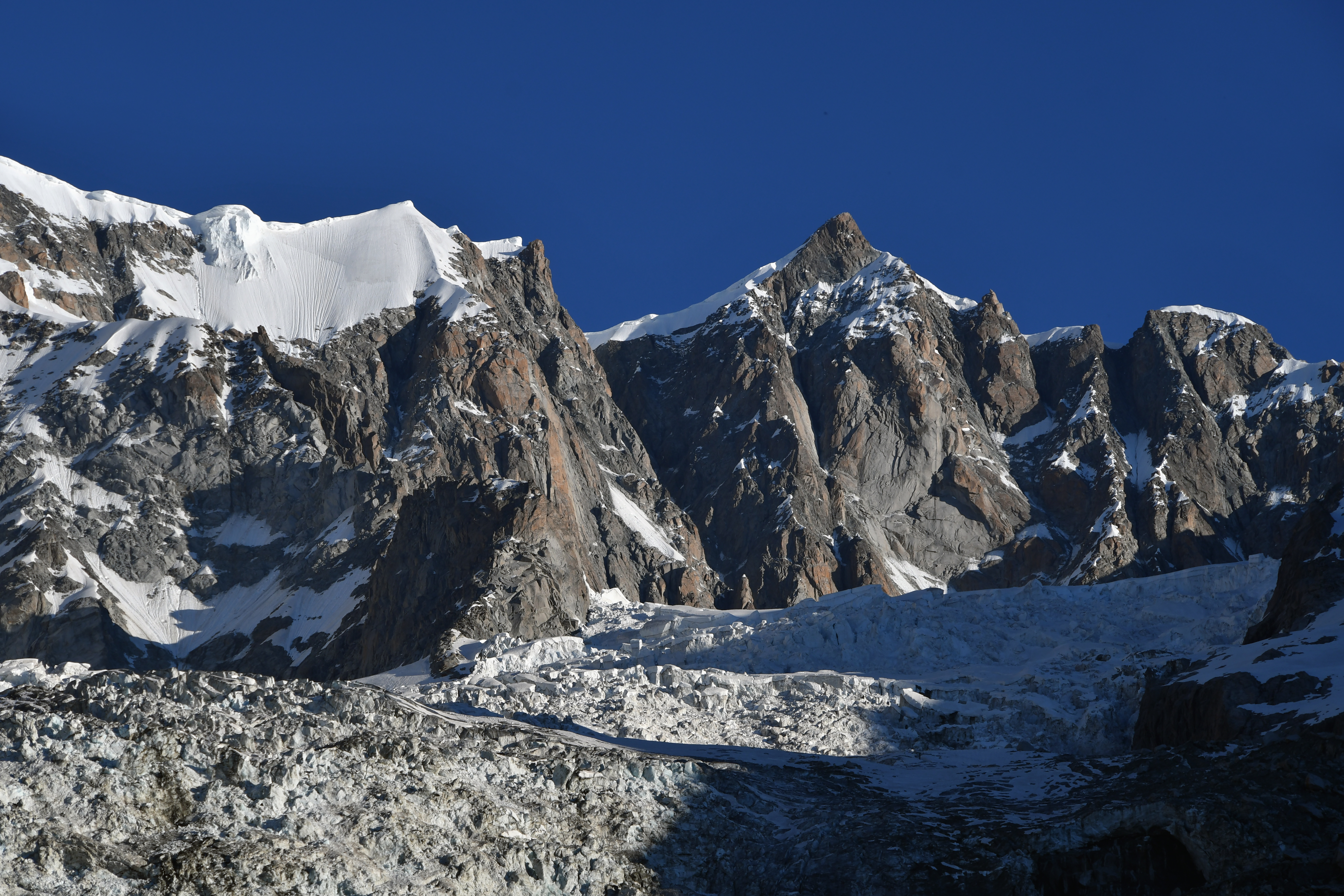
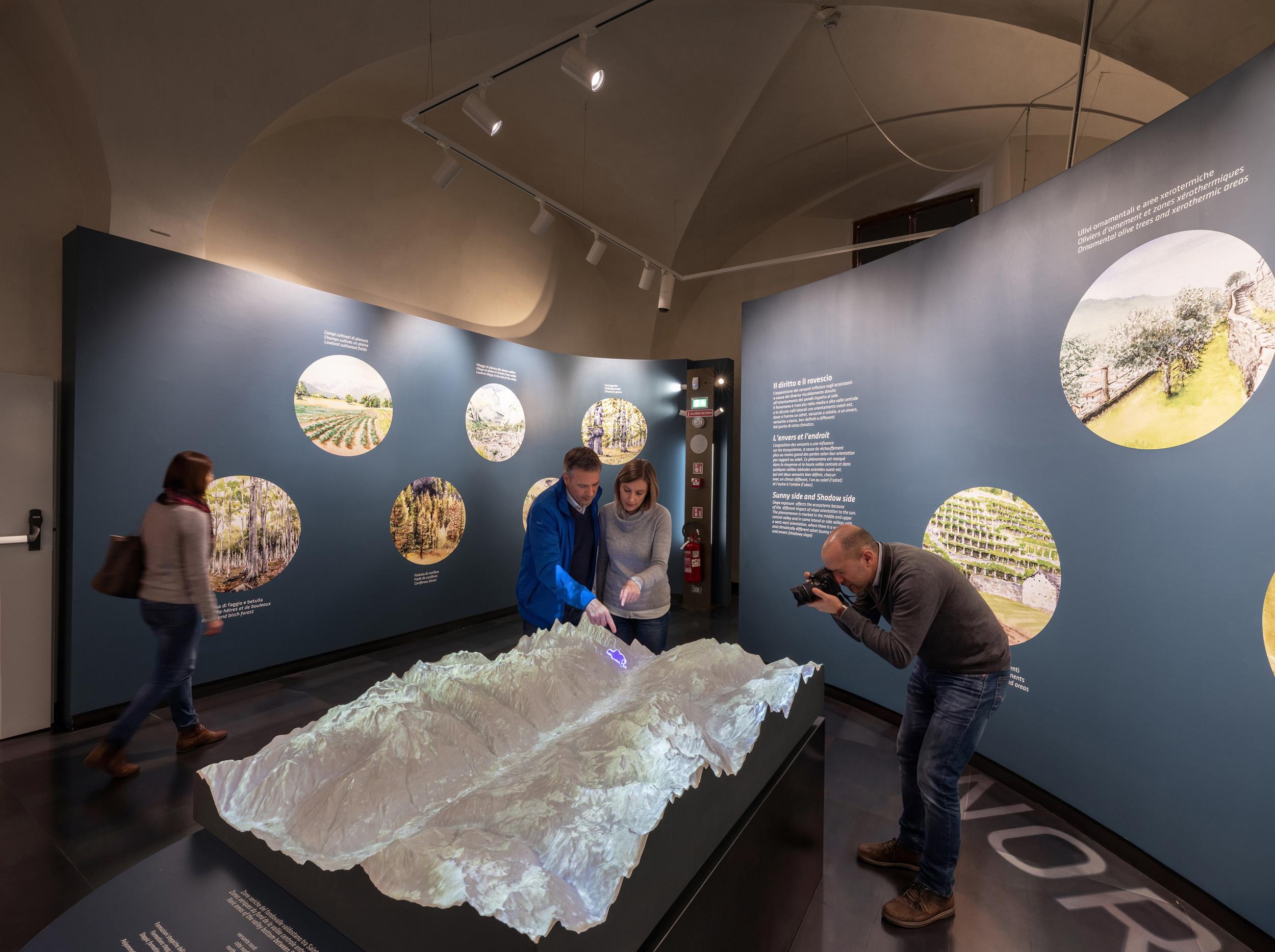
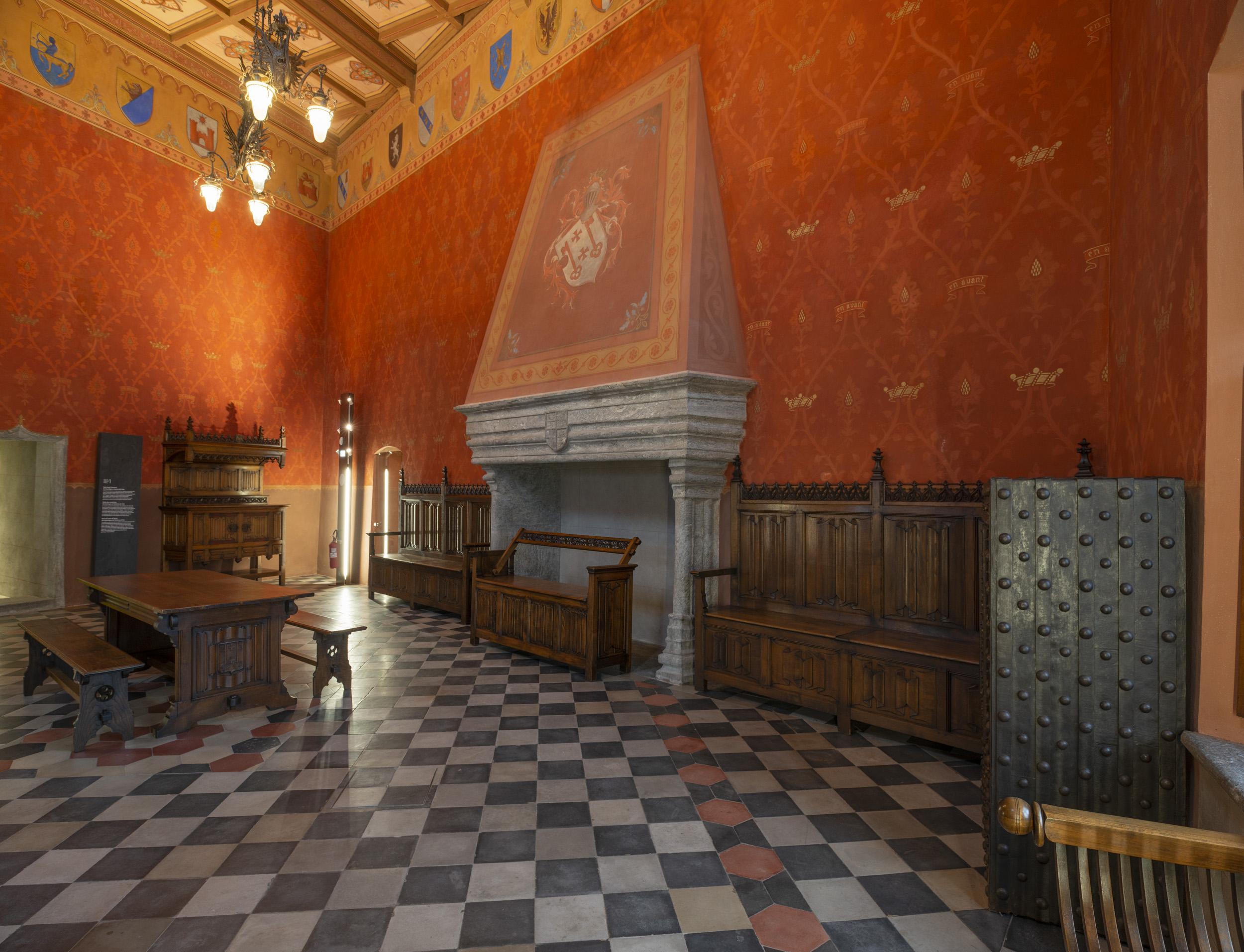
Traveling through the side valleys of the Aosta Valley, anyone can observe a striking phenomenon: one side of the mountain is cultivated, sunny, dotted with villages and terraces, while the opposite side is covered in dense forests, shaded, with residual snow in the steepest ravines even in June. This is no geographical coincidence. It is one of the most characteristic ecological phenomena of the Aosta Valley Alps, and Room 6 of the Efisio Noussan Regional Museum of Natural Sciences in Saint-Pierre illustrates it in all its complexity.
Adret and envers: a division that shapes the landscape
In every valley oriented east-west, or vice versa, the two sides receive radically different amounts of solar radiation throughout the day and year. The south-facing side—called adret in the Val d’Aosta dialect—is the one that receives the sun for most of the daylight hours. The north-facing side—the envers—remains in shade for much of the day, especially in the winter months.
This difference in exposure has profound and lasting consequences on all aspects of the environment: air and soil temperature, humidity, snow cover, snowmelt rate in spring, vegetation composition and structure, fauna distribution, and even the settlement patterns of human communities over the centuries.
Ecological Differences Between the Two Sides
The adret is the side of agricultural life and historical settlements. Higher temperatures, greater sunlight, and drier soils make it suitable for growing vines, cereals, orchards, and pastures. Aosta Valley villages historically developed on the sunny slopes, taking advantage of the favorable climatic conditions for mountain agriculture. The vegetation of the adret is often patchy, interrupted by terraces, hay meadows, and cultivated areas, with plant species typical of warm, dry environments.
The envers, on the other hand, is the side of forests and wildlife. Lower temperatures, higher humidity, and longer-lasting snow create ideal conditions for coniferous forests—larch, spruce, and Scots pine—and for the vegetation typical of cold, humid environments. Wildlife finds refuge and food on the slopes: roe deer, deer, squirrels, woodpeckers, and many species of forest birds favor these shady environments with rich undergrowth.
The differences also extend to plant biodiversity: on the sunny slope, xerophilous species, adapted to drought and heat, predominate, while on the slopes, hygrophilous species, requiring abundant moisture, are found. In some cases, the two sides of the same valley host plant communities so different that they appear to belong to climate zones hundreds of kilometers apart.
Influence on Human Settlement
The distinction between adret and envers has profoundly influenced the history of human settlement in the Aosta Valley. Historic villages are almost always located on the sunny side, at intermediate altitudes that maximize solar radiation during the long Alpine winters. The orientation of the houses, the layout of the fields and pastures, the network of paths and mule tracks: everything reflects the need to maximize exposure to the sun and minimize heating costs in a harsh mountain climate.
As the panel in Room 6 reminds us with a touch of subtle irony, exposure also influences the mood of the inhabitants: the envers communities, deprived of direct sunlight for many months of the year, have developed over the centuries distinct cultural characteristics and traditions from those of the adret communities.
Where to go: the Great St. Bernard Valley
For those who want to experience the contrast between adret and envers in its most complete and clear expression, the Great St. Bernard Valley offers one of the most evocative and accessible routes in the Aosta Valley.
Climbing from Aosta toward the Great St. Bernard Pass—at 2,469 meters above sea level, on the border with Switzerland—the contrast between the two sides is evident and continuous along the entire length of the valley. The sunny side features pastures, historic settlements, and the typical vegetation of the Aosta Valley adret. The shady side preserves compact forests, residual snow in the steeper gullies, and more lush and moist vegetation.
In June, the pass has just reopened to traffic after its winter closure: the landscape is extraordinary, with the pastures still fresh with melted snow and the Great St. Bernard Lake partially frozen. At the summit, the Great St. Bernard Hospice—founded in the 11th century by Archdeacon Bernard of Menton and still managed by the Canons Regular of the Great St. Bernard Congregation—is one of the oldest and most fascinating places in the Western Alps. For centuries, the hospice has welcomed pilgrims and travelers heading to Rome across the Alpine pass, and today it houses a museum that recounts the thousand-year history of the pass and the famous mountain dog that bears its name.
Room 6 at the Saint-Pierre Museum
Room 6 of the Efisio Noussan Regional Museum of Natural Sciences illustrates the adret-envers phenomenon through environmental reconstructions, samples of flora and fauna typical of the two slopes, climate maps, and multimedia materials that explore the ecological differences between the sunny and shady sides of the Aosta Valley valleys. The exhibition provides the tools to interpret the Aosta Valley landscape with new eyes, recognizing in the details of the landscape the traces of a phenomenon that has shaped the nature and history of the region for millennia.
Photo: RAVA Archive