Visit the Natural History Museum in Saint-Pierre
In June, because it's the best time
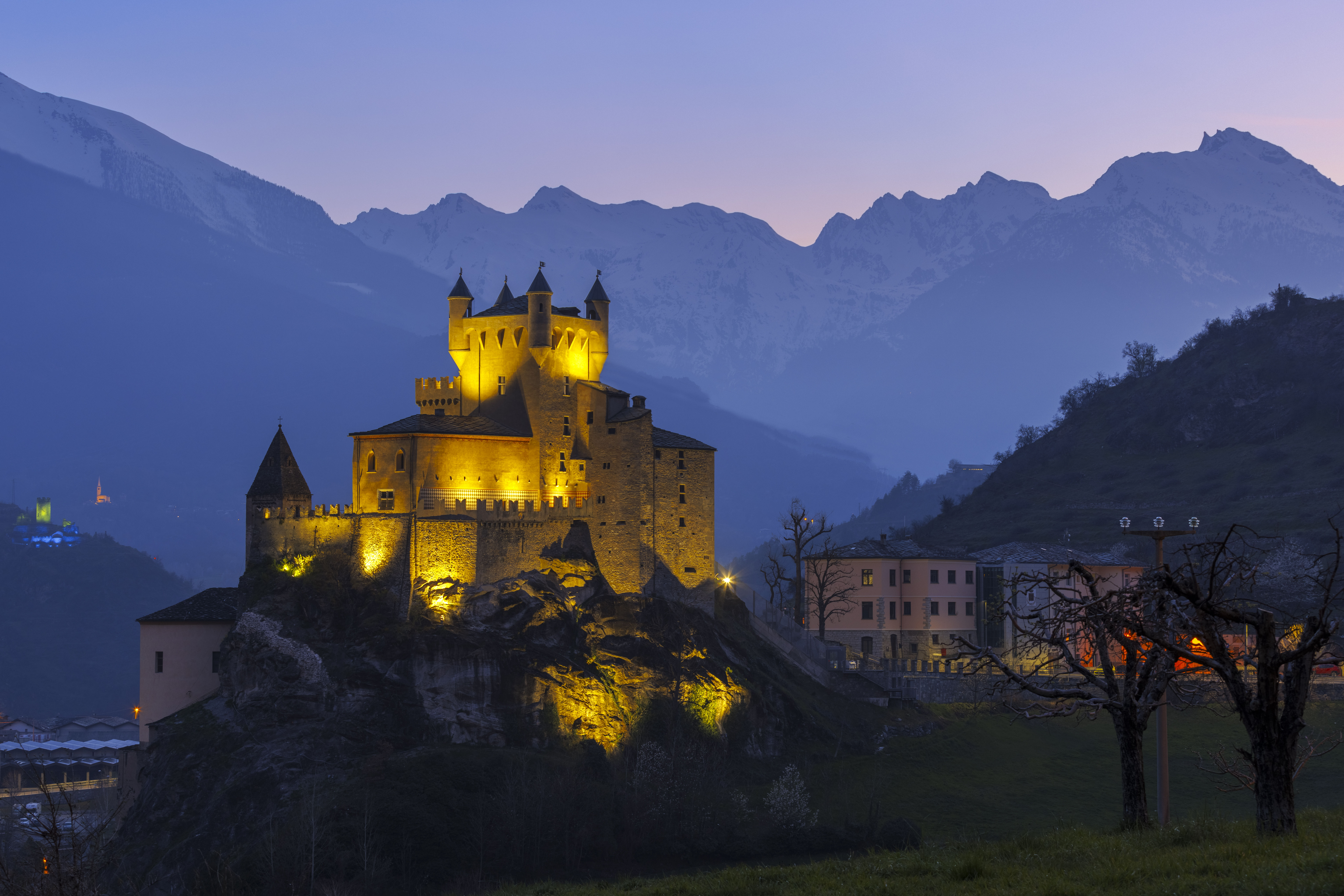
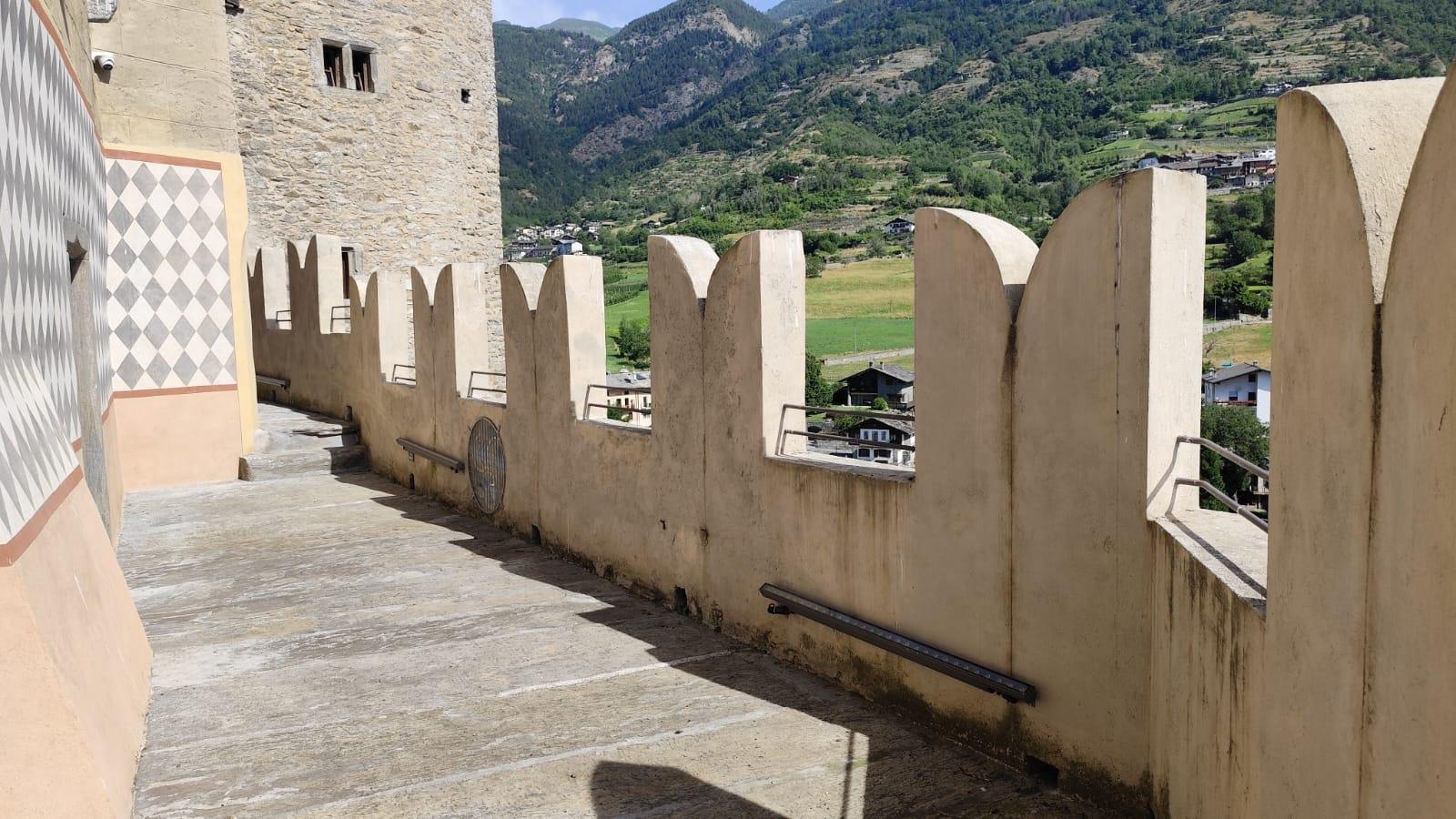
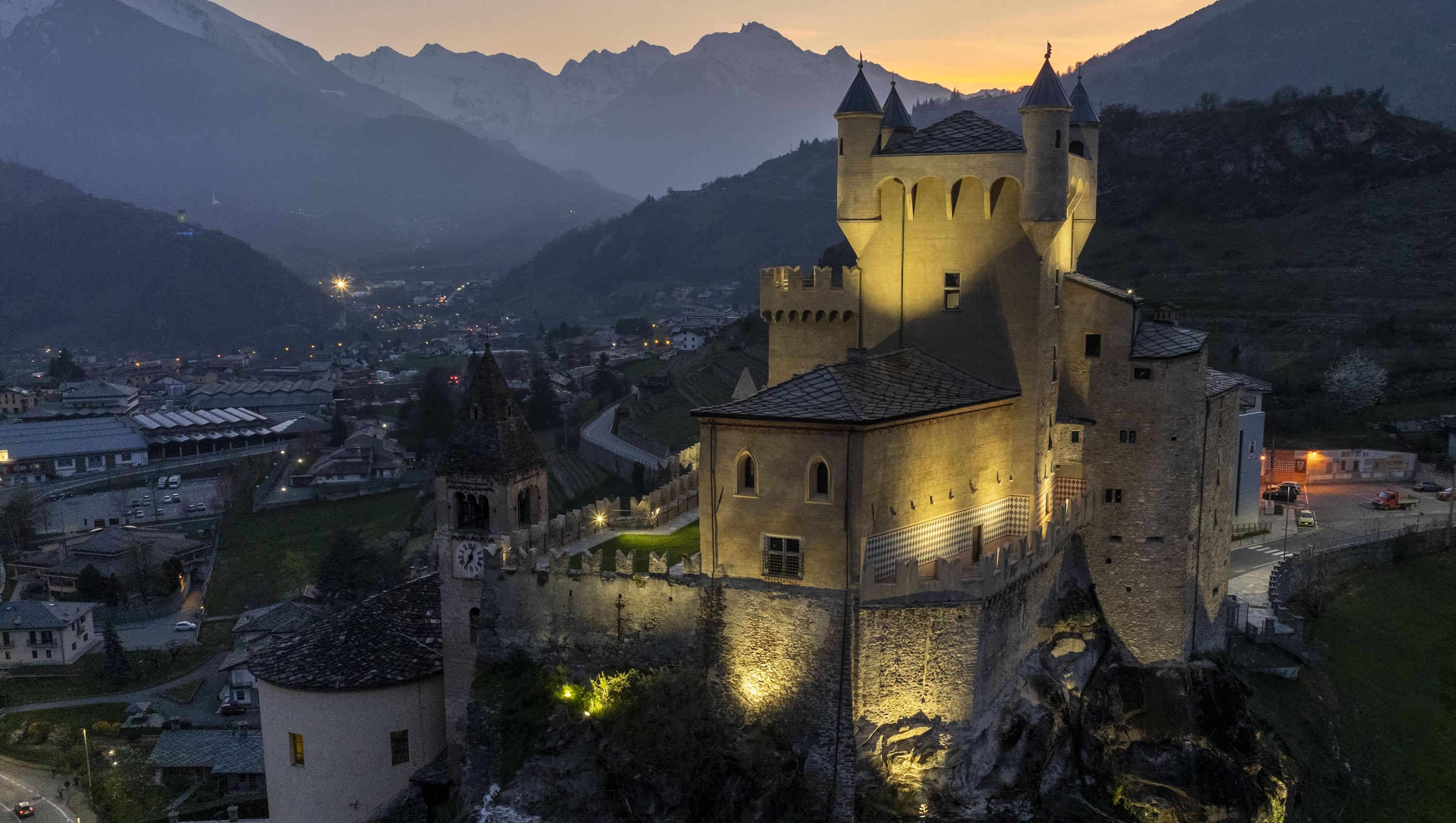
Before the peak summer season, Saint-Pierre Castle offers a peaceful and immersive visitor experience, with the longest days of the year and the Aosta Valley in the full splendor of spring.
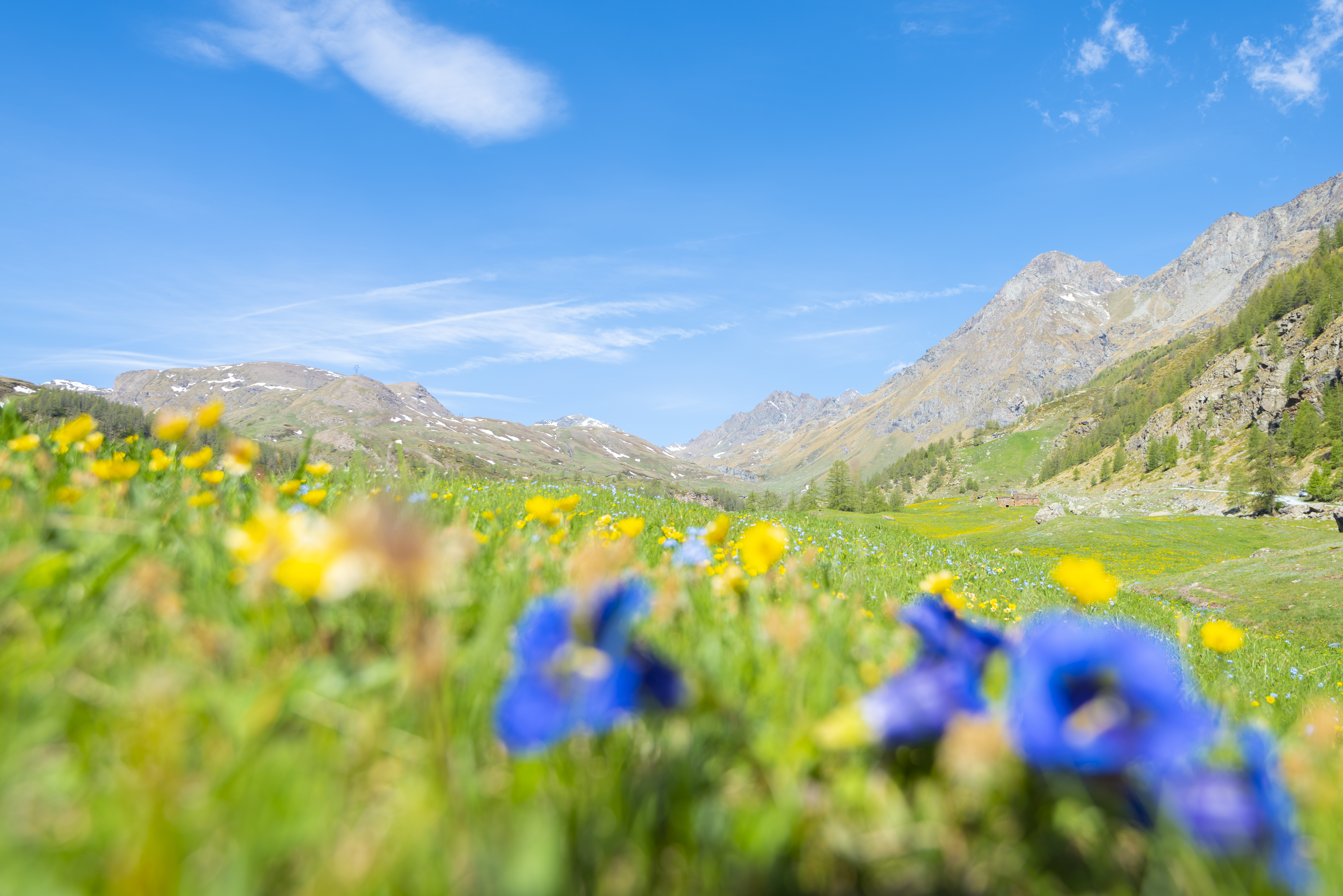
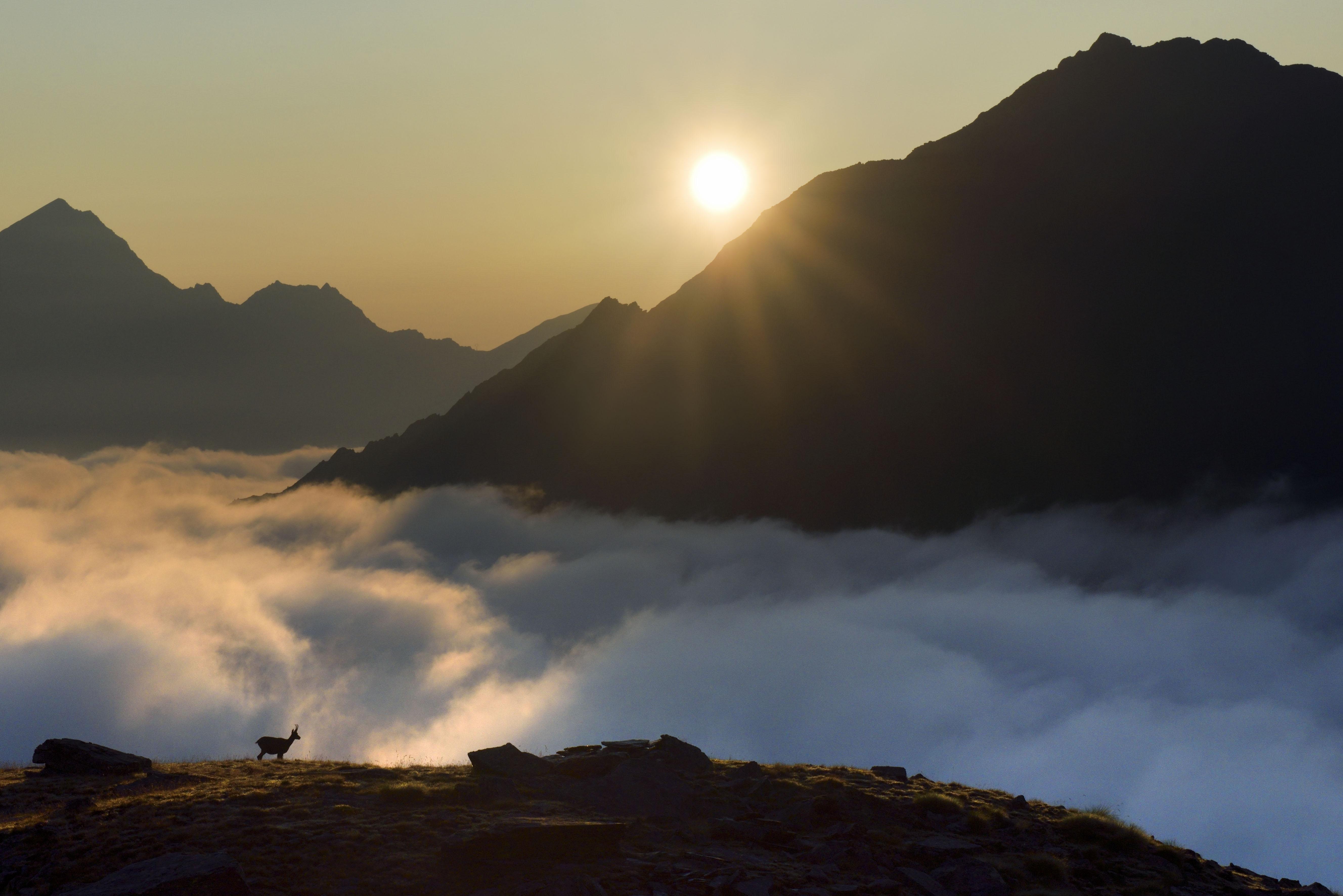
There is a time of year when visiting the Efisio Noussan Regional Museum of Natural Sciences in Saint-Pierre is particularly enjoyable. It’s not August, when the Aosta Valley is at the peak of its tourist season. It’s June: the month when the days are at their longest, the mountains gradually shed their snow, the pastures turn green again, and the region regains that crisp, crystalline light that makes it unique in the western Alps.
June: Quiet Rooms, Time to Linger
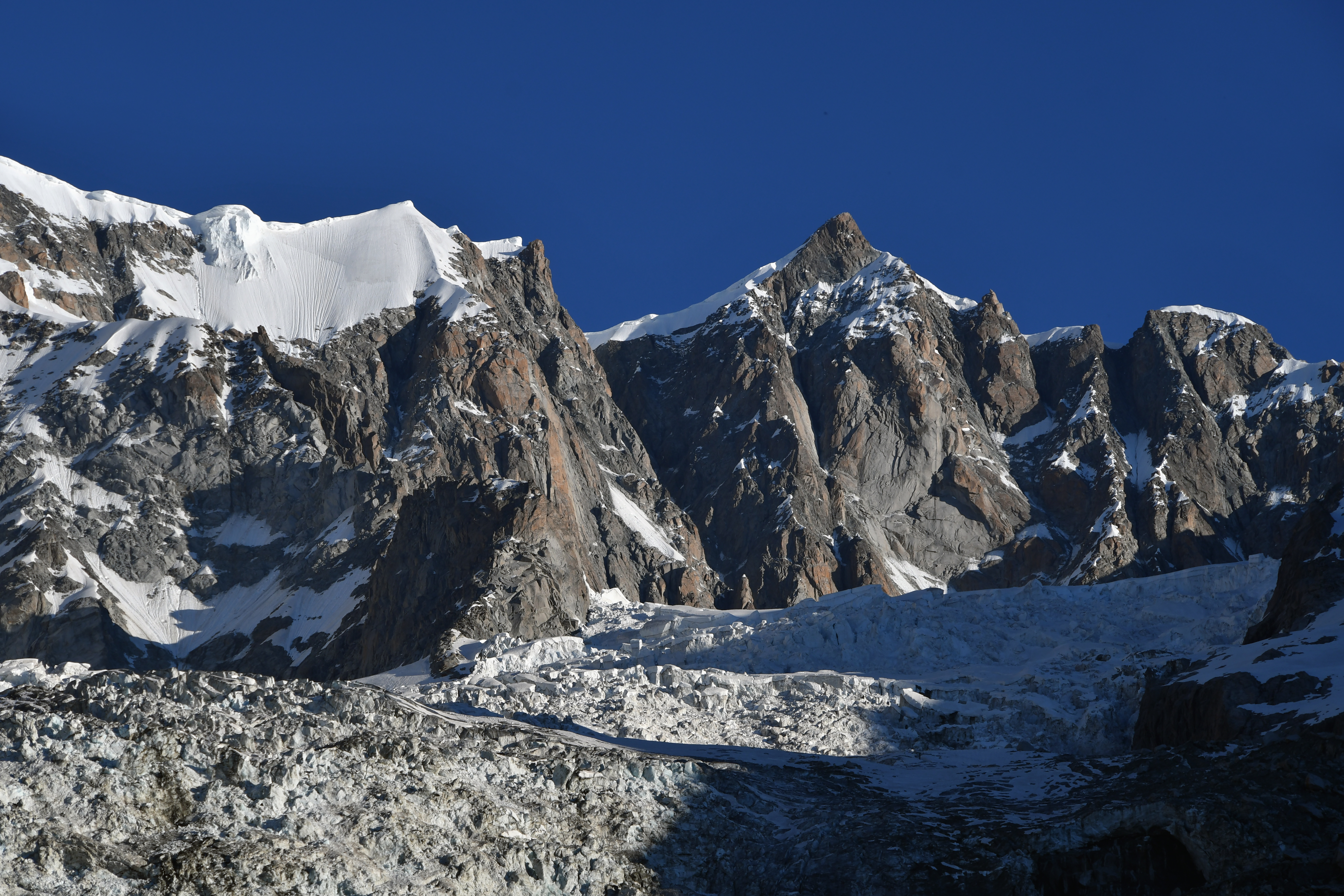
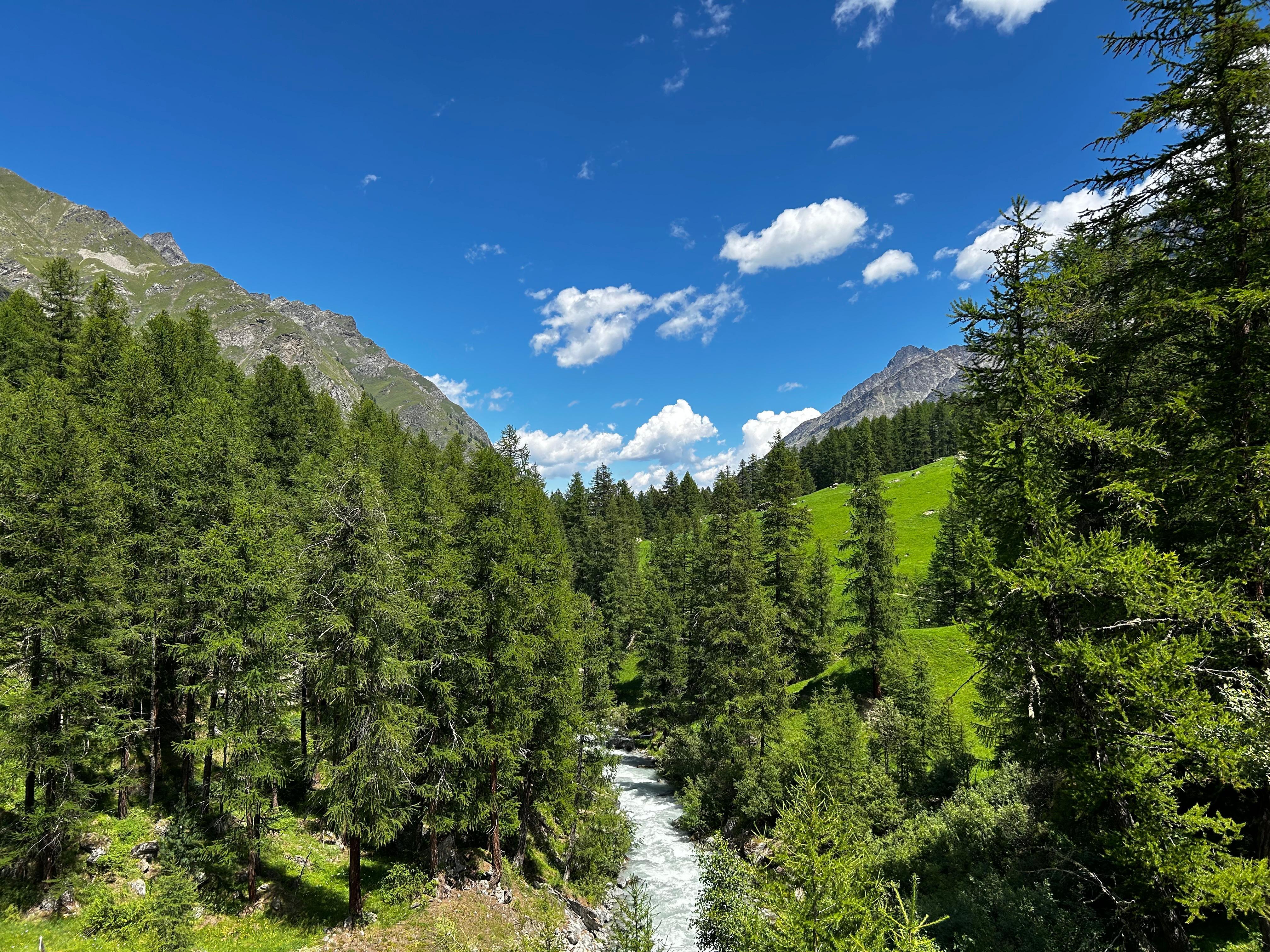
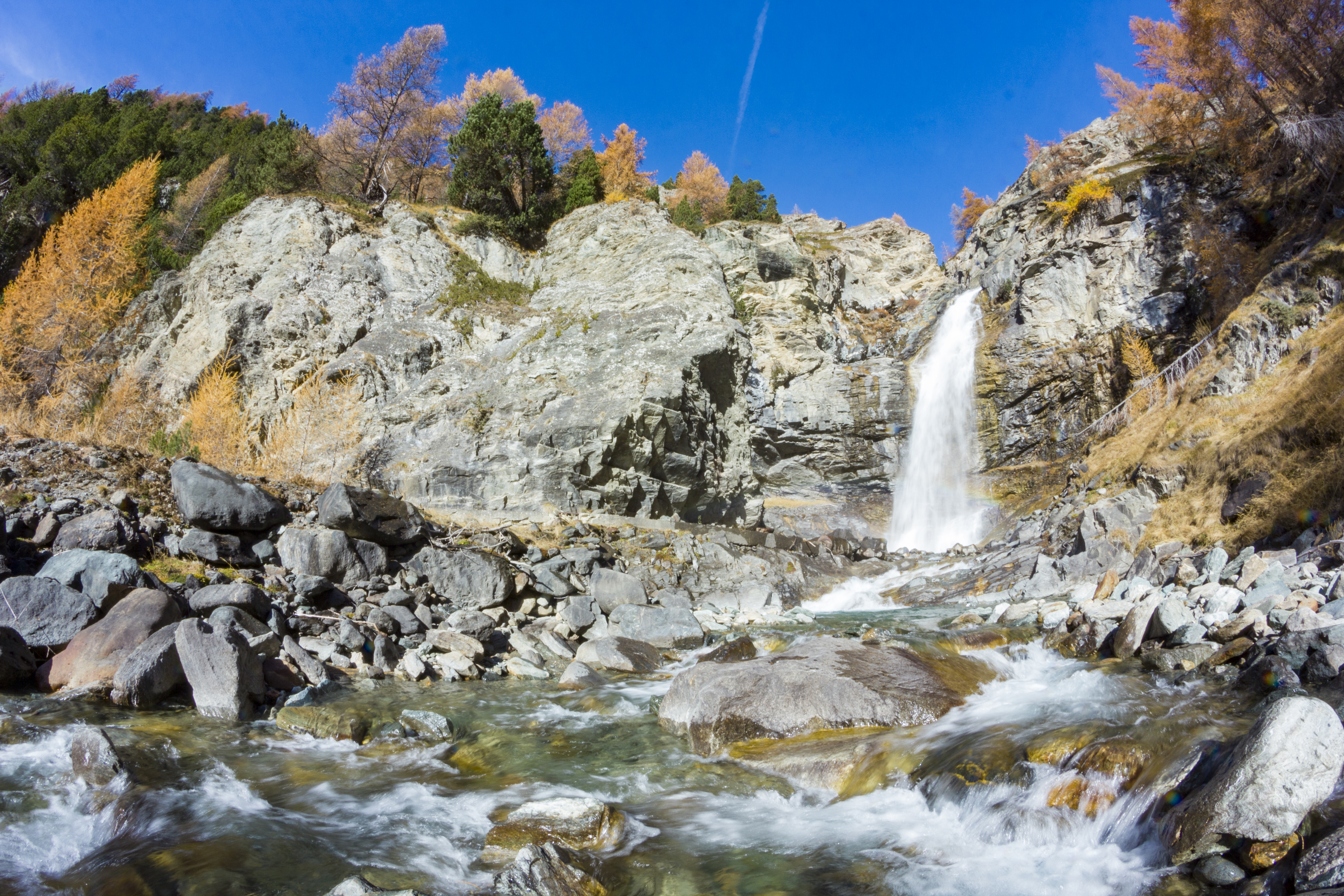
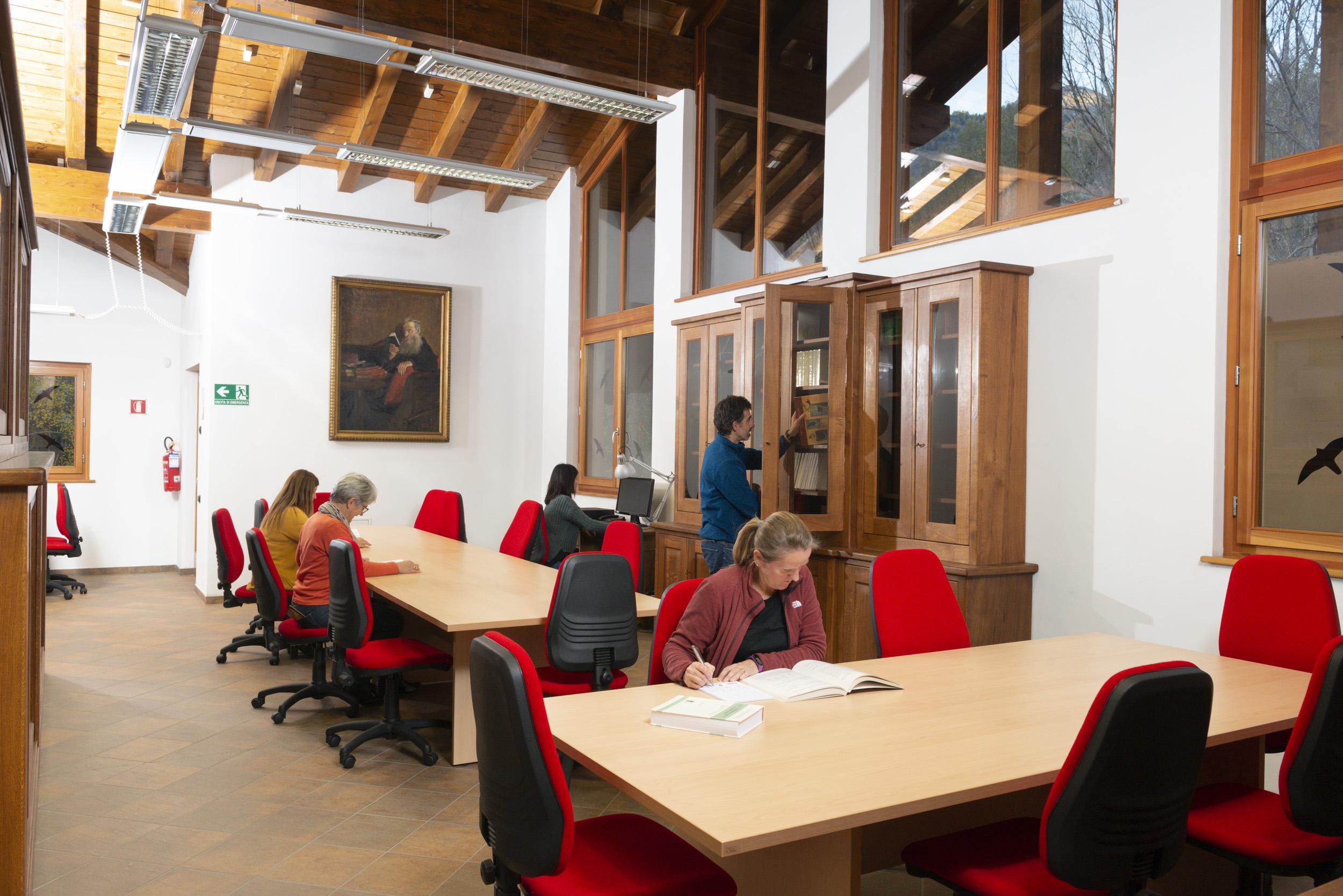
The main advantage of visiting in June is the quality of the experience. The peak tourist season hasn’t yet reached its height, visitor numbers are low, and the sixteen rooms of Saint-Pierre Castle can be explored at a leisurely pace, without the rush that often accompanies summer visits. There is time to pause in front of each artifact, read the captions, listen to the guides’ explanations, look out the castle windows, and recognize in the landscape below what you have just observed in the display cases. It is precisely this connection between the museum’s collections and the surrounding territory that makes a June visit particularly meaningful. The Aosta Valley visible from the castle’s halls is the same one depicted on the exhibition panels: the glaciers still clearly visible on the peaks, the slopes transitioning from the deep green of deciduous forests to high-altitude meadows, and the streams flowing full of meltwater.
A comprehensive exhibition itinerary
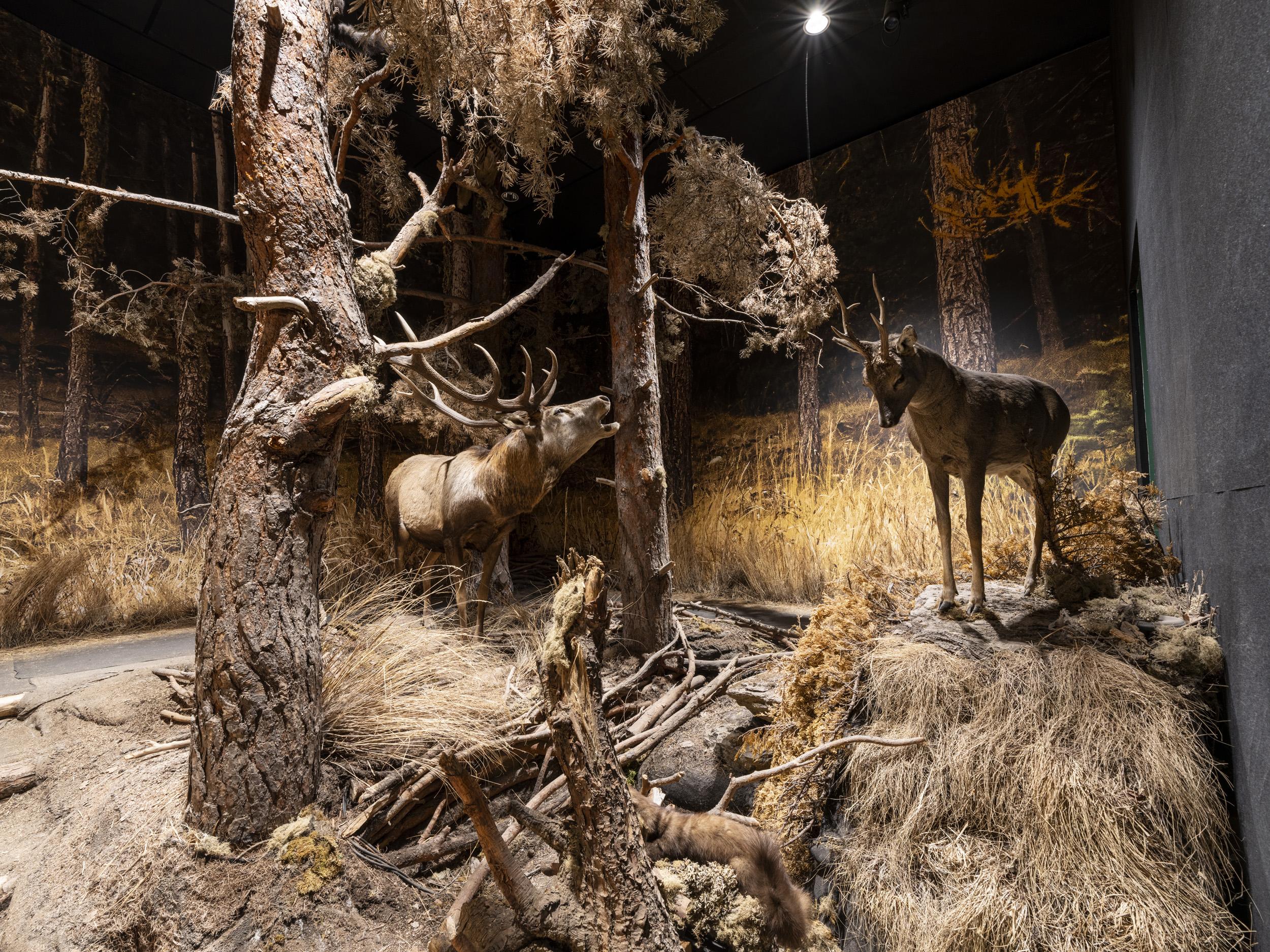
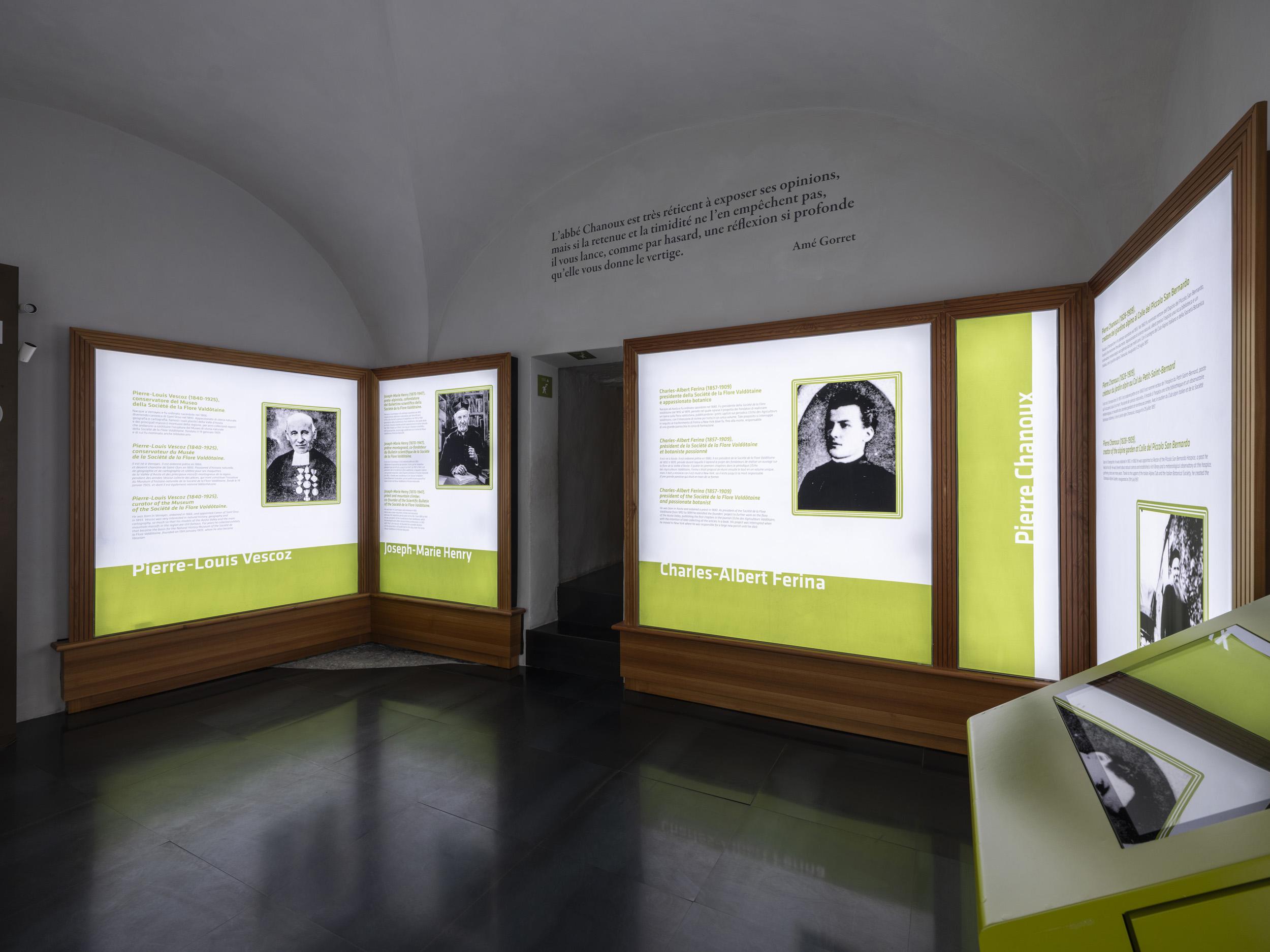
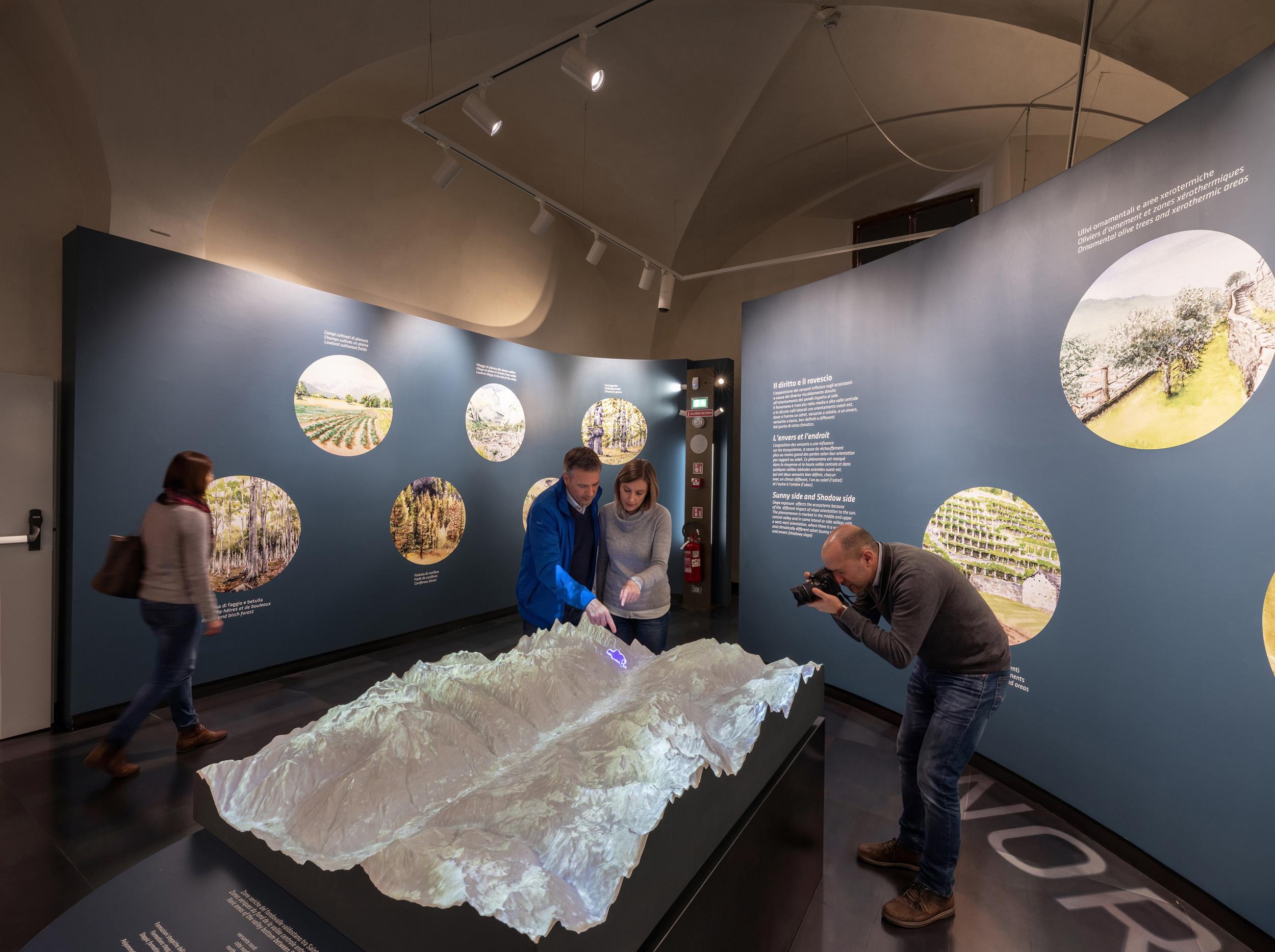
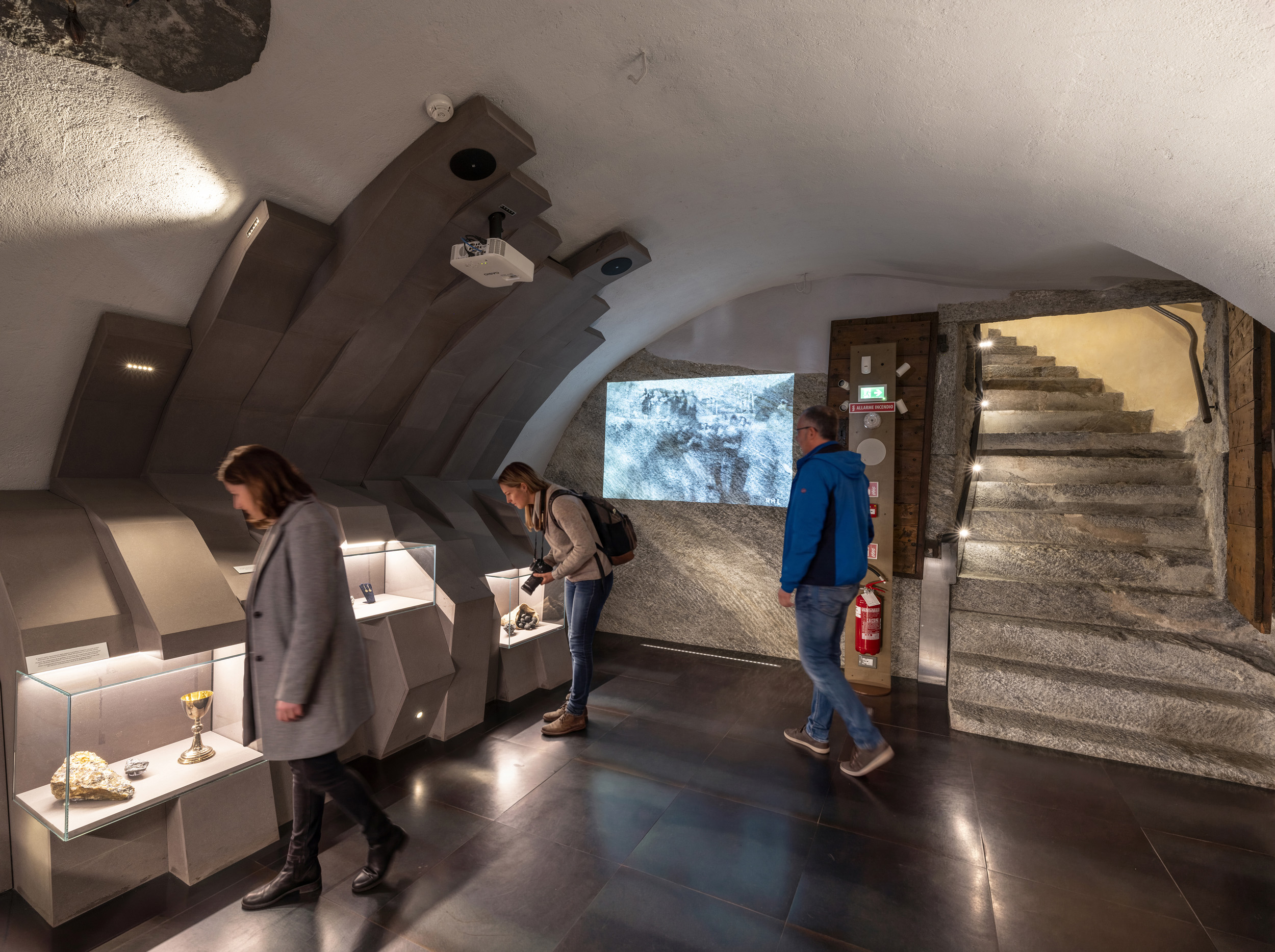
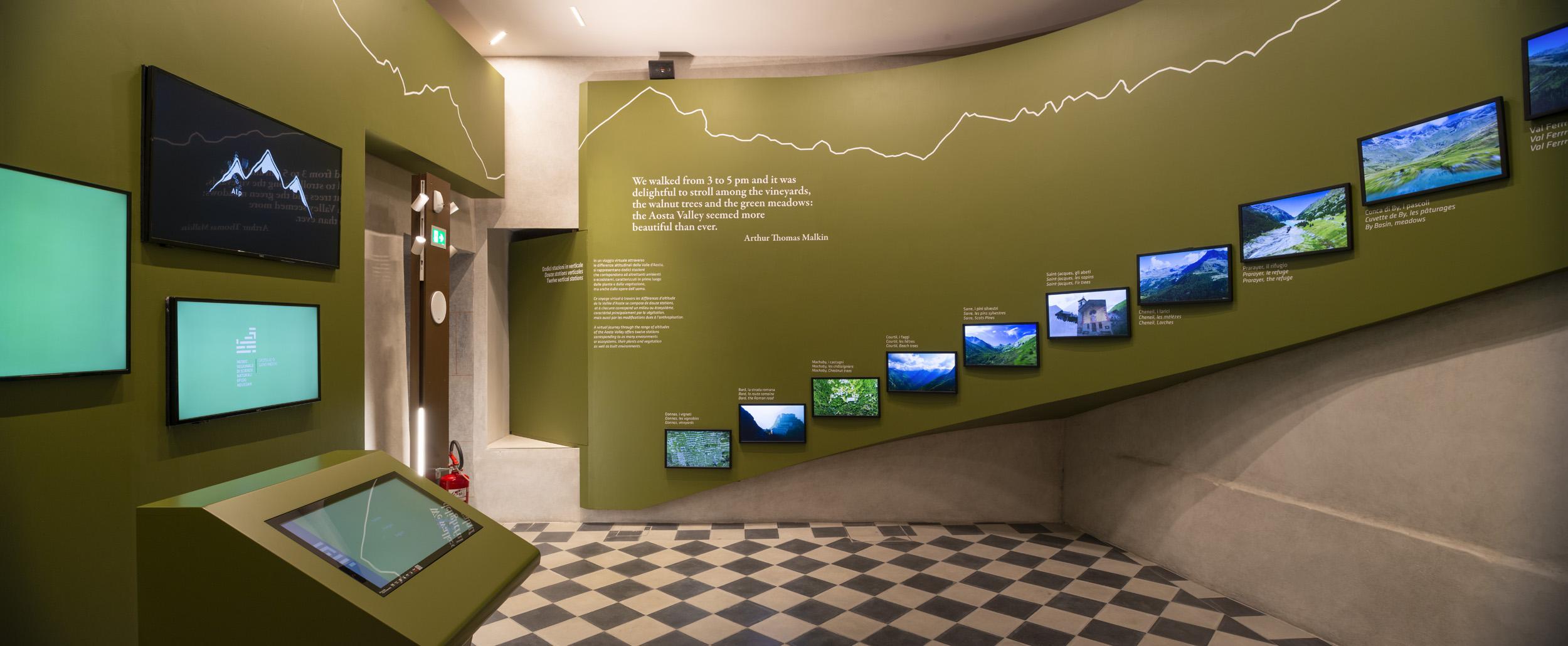
The Efisio Noussan Regional Museum of Natural Sciences occupies three floors of the Castle of Saint-Pierre, with sixteen galleries dedicated to the main ecosystems and natural history themes of the Aosta Valley. The exhibition takes visitors on a vertical journey through the Aosta Valley: from the geology of Alpine rocks to the history of glaciers, from the sunny slopes of the adret to the shaded environments of the envers, from coniferous forests to high-altitude grasslands, and from aquatic ecosystems to mining traditions.
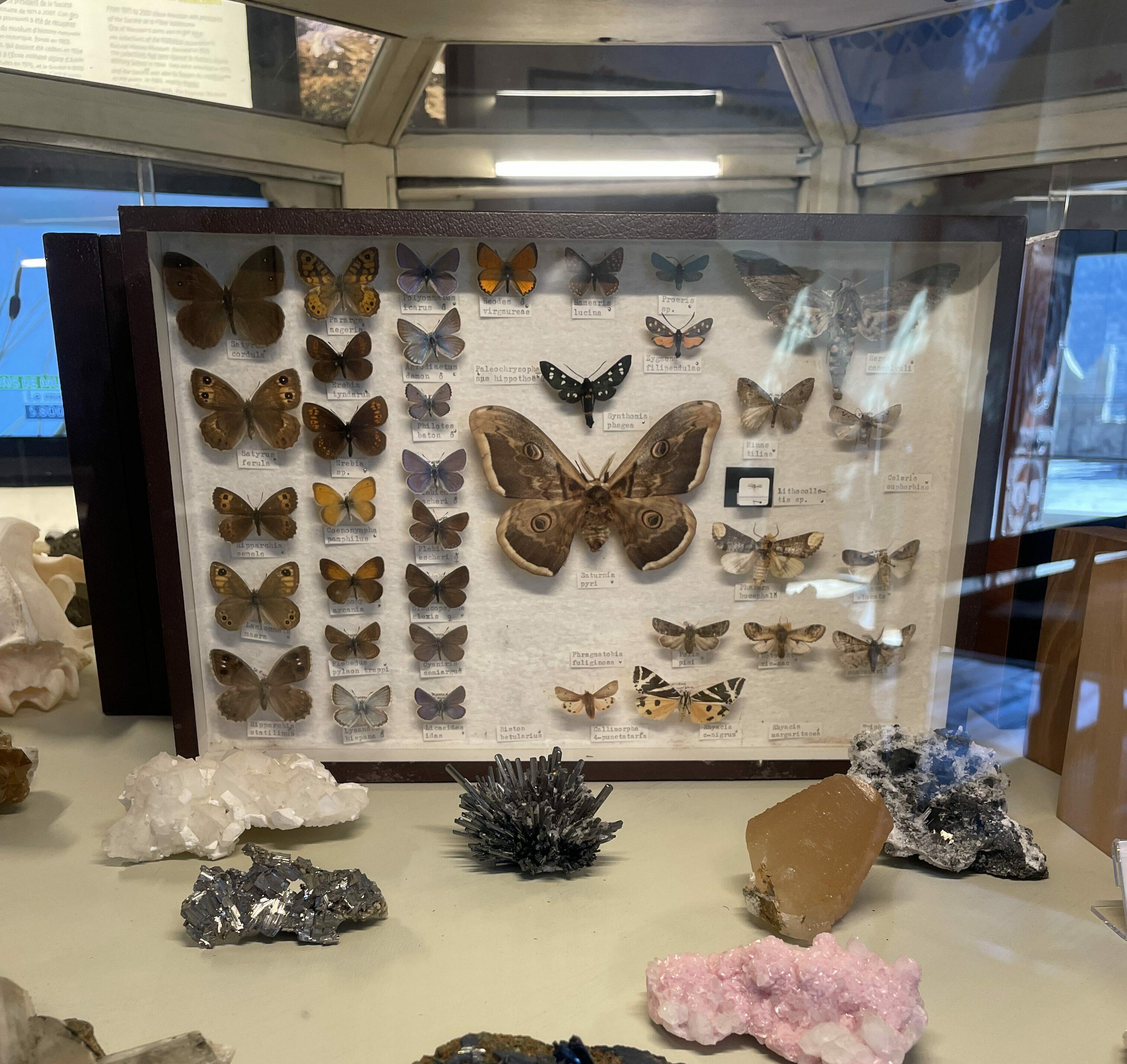
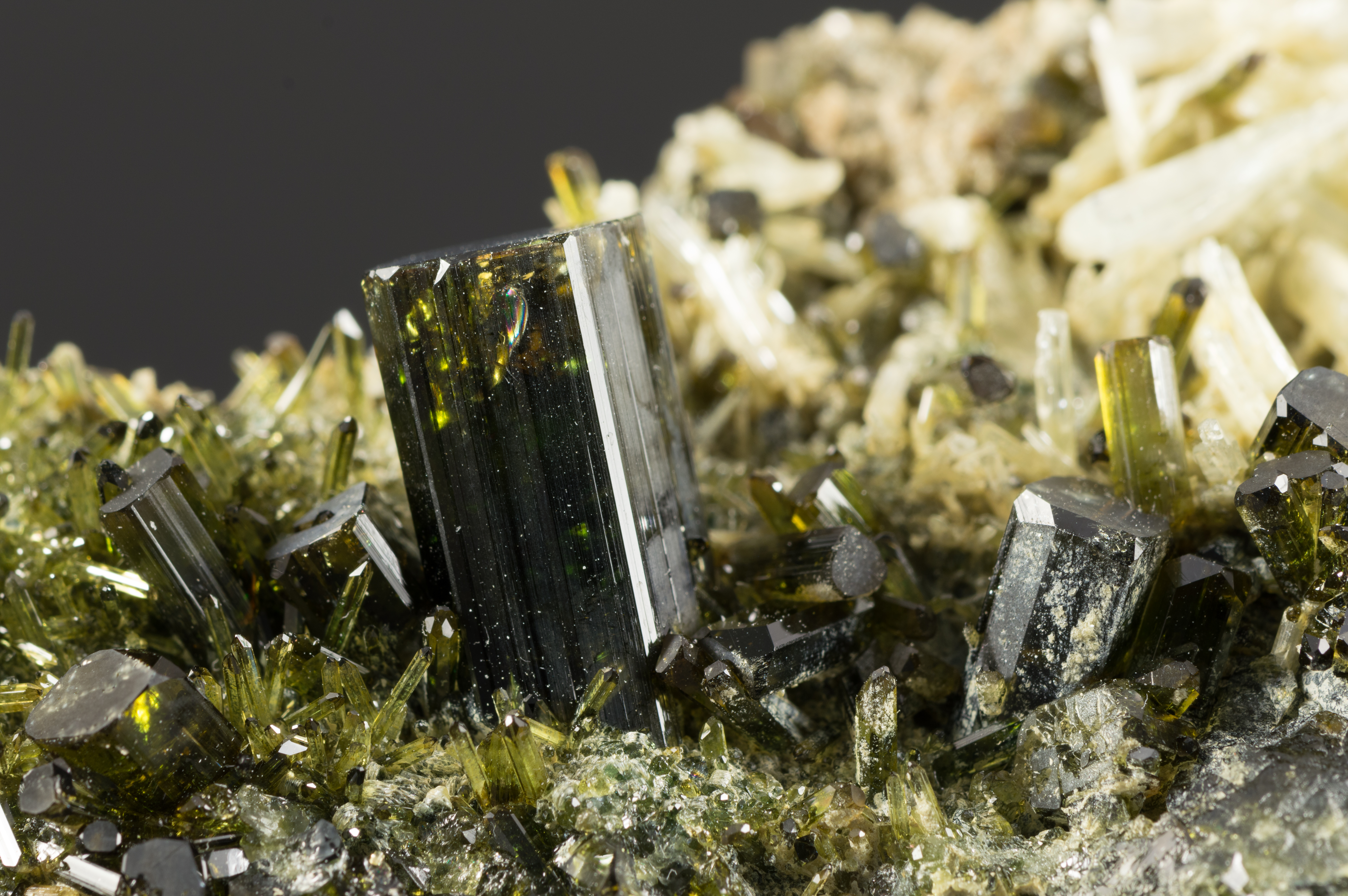
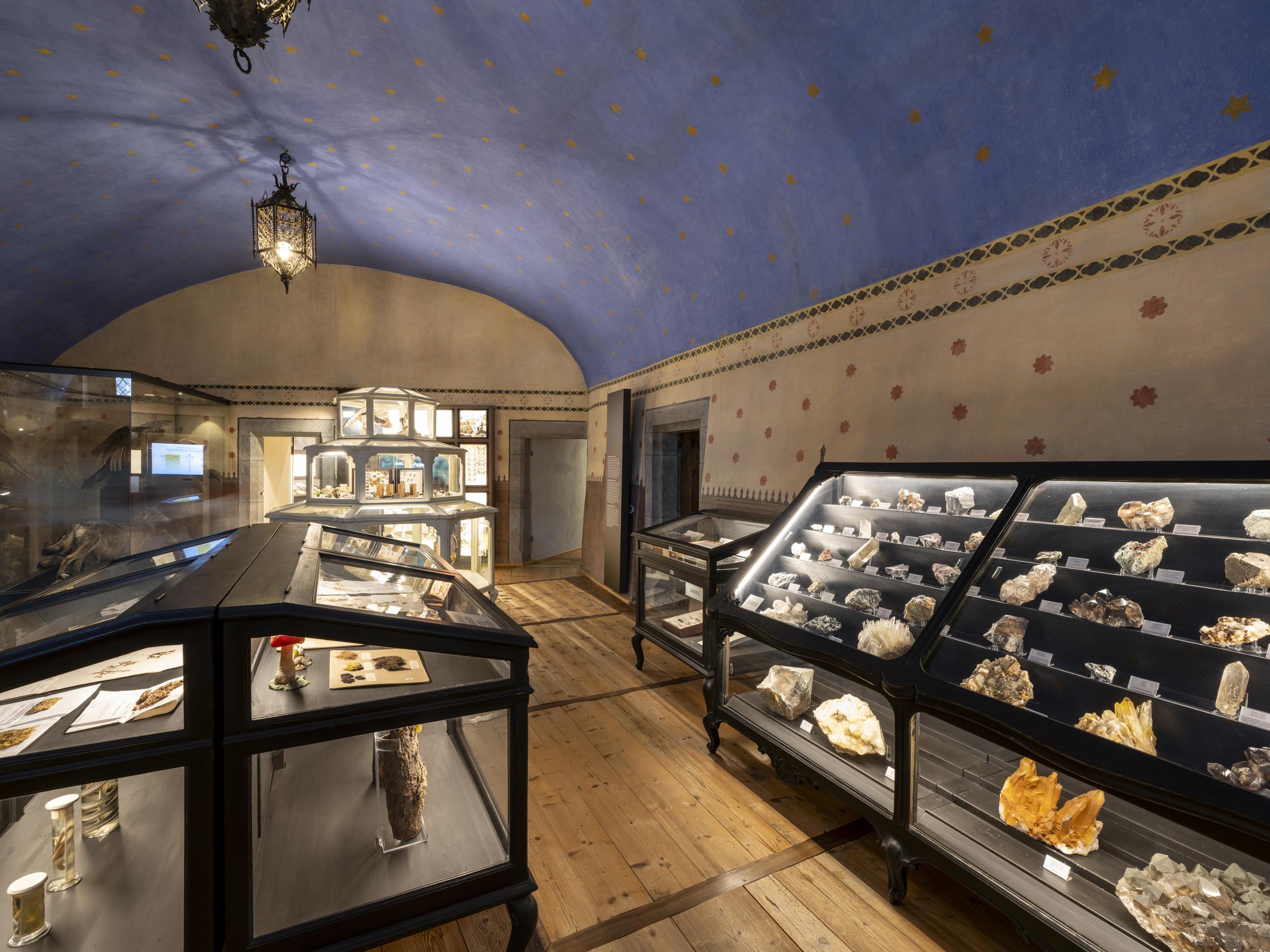
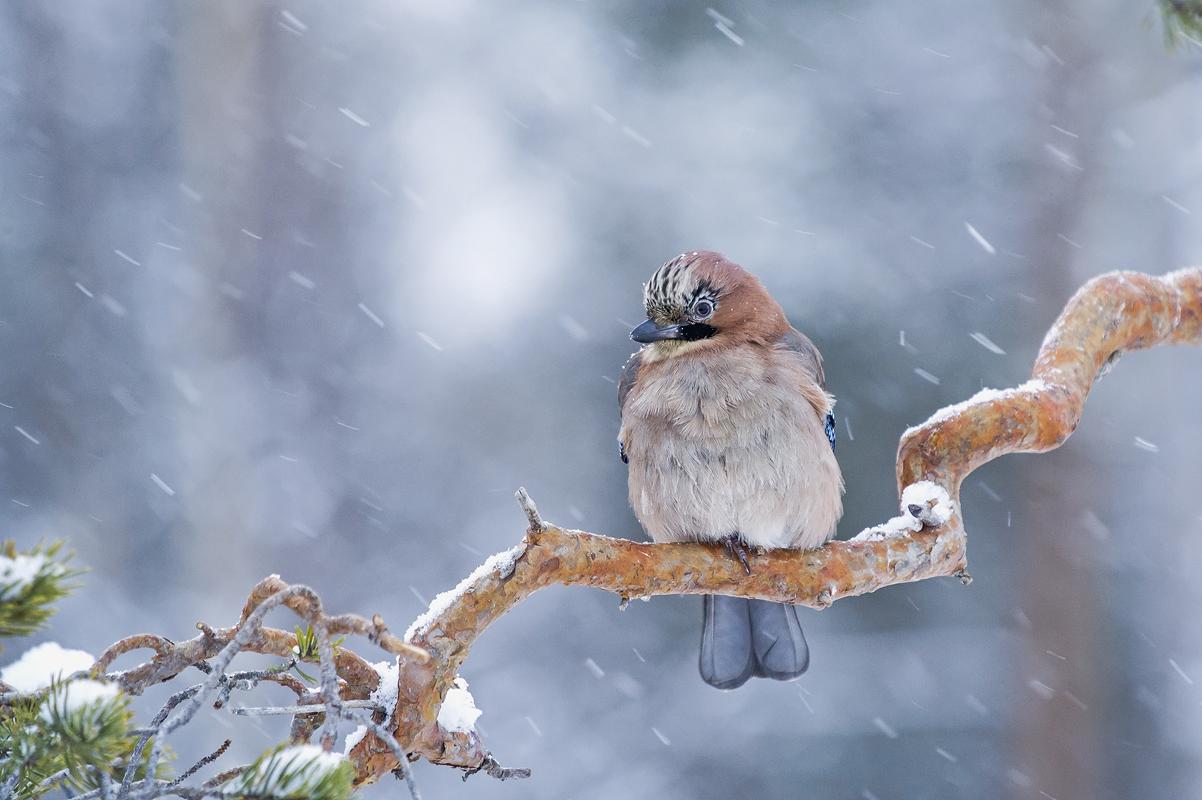
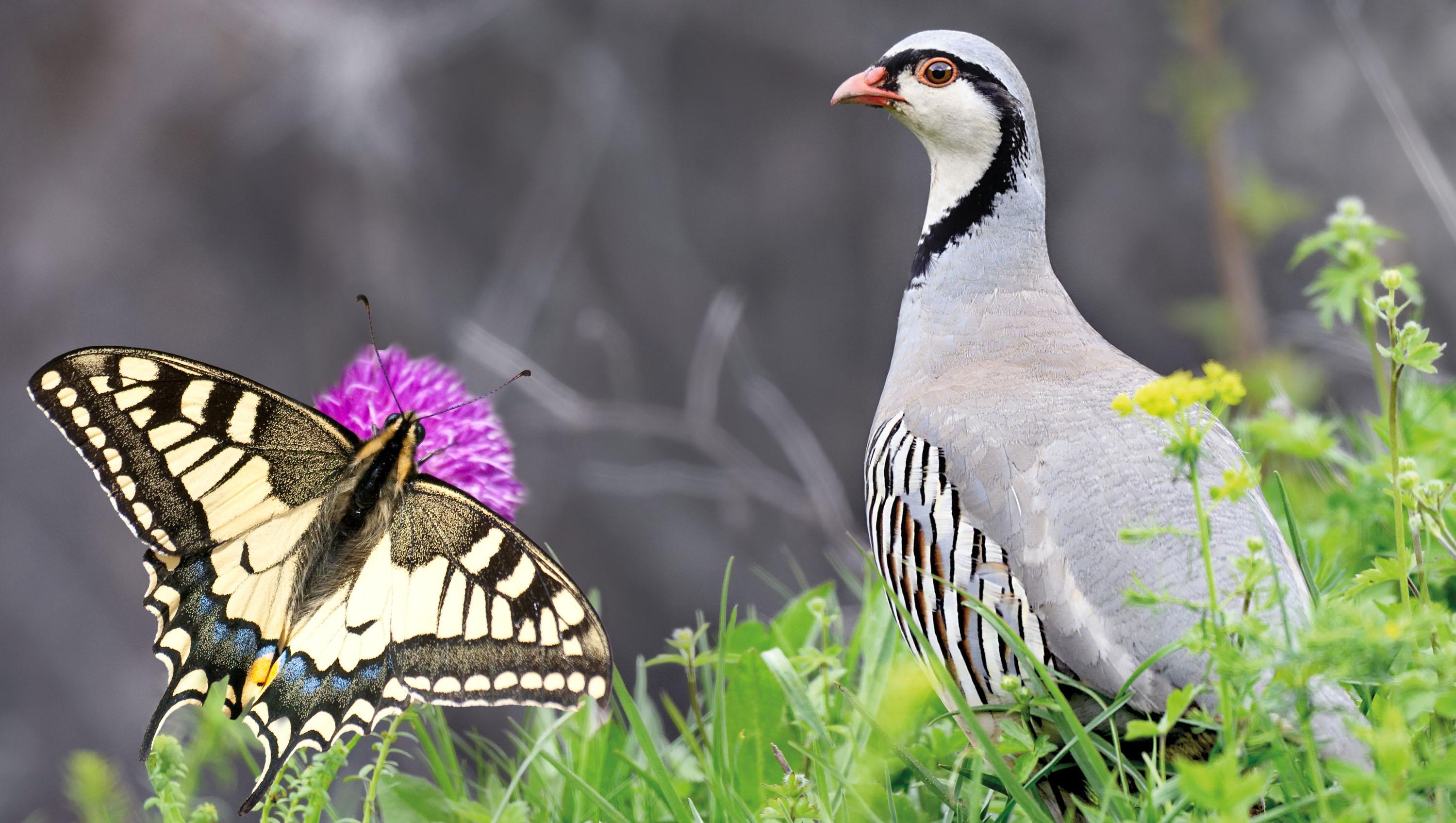
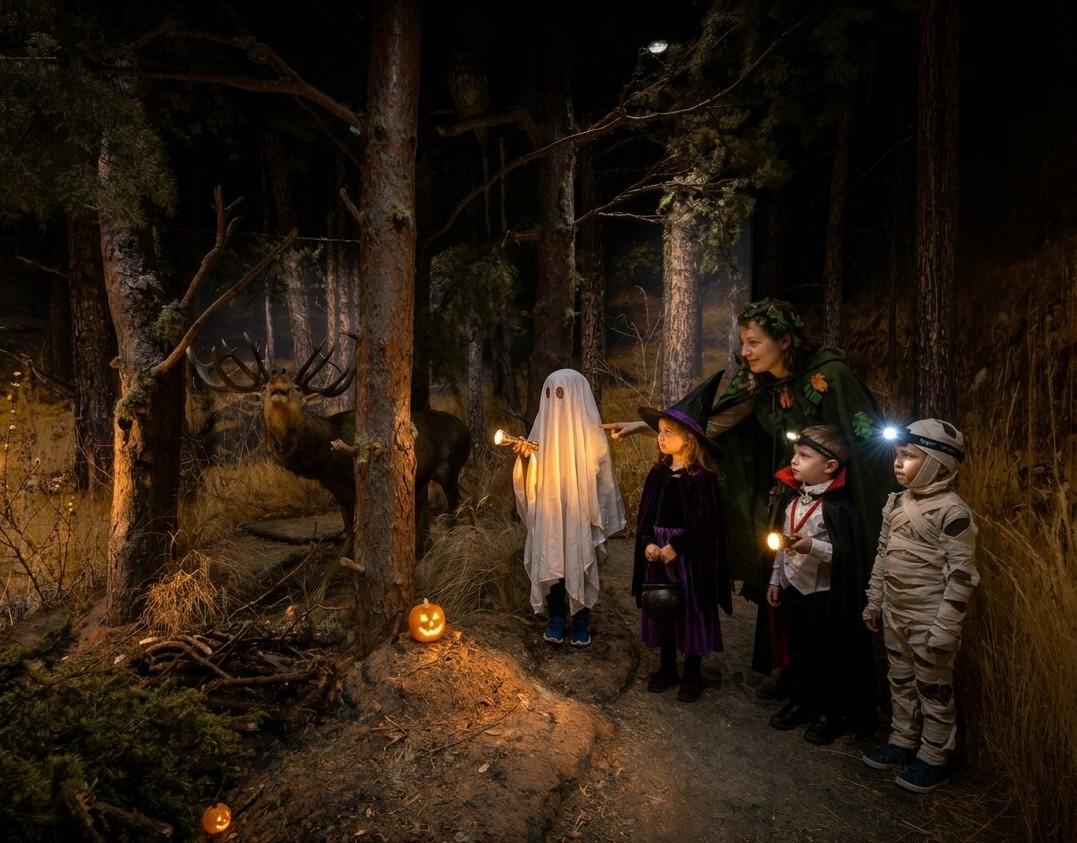
Each room combines natural history specimens (stuffed animals, minerals, geological samples, entomological and botanical collections) with multimedia displays, environmental reconstructions, and interactive content that make the experience accessible and engaging for visitors of all ages.
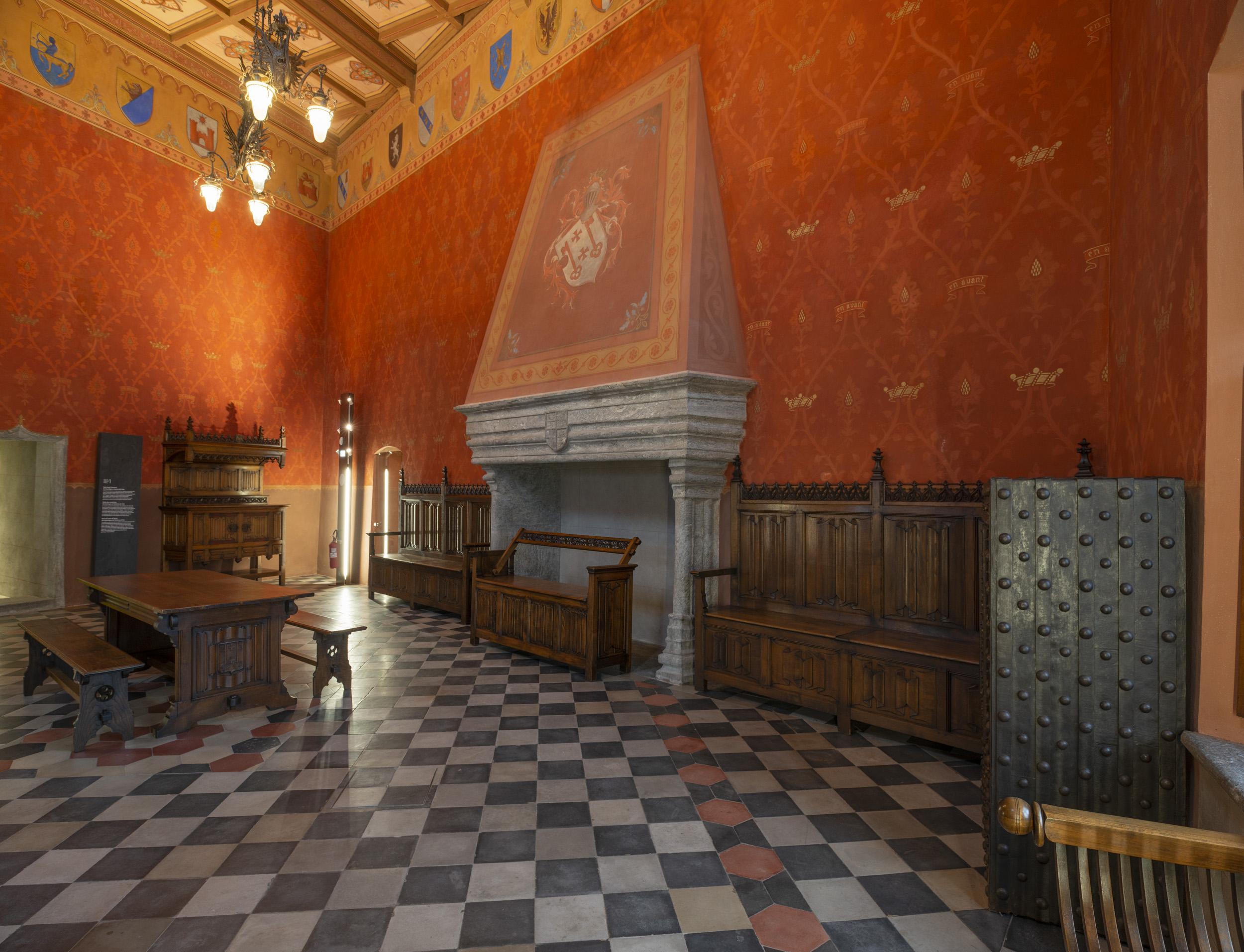
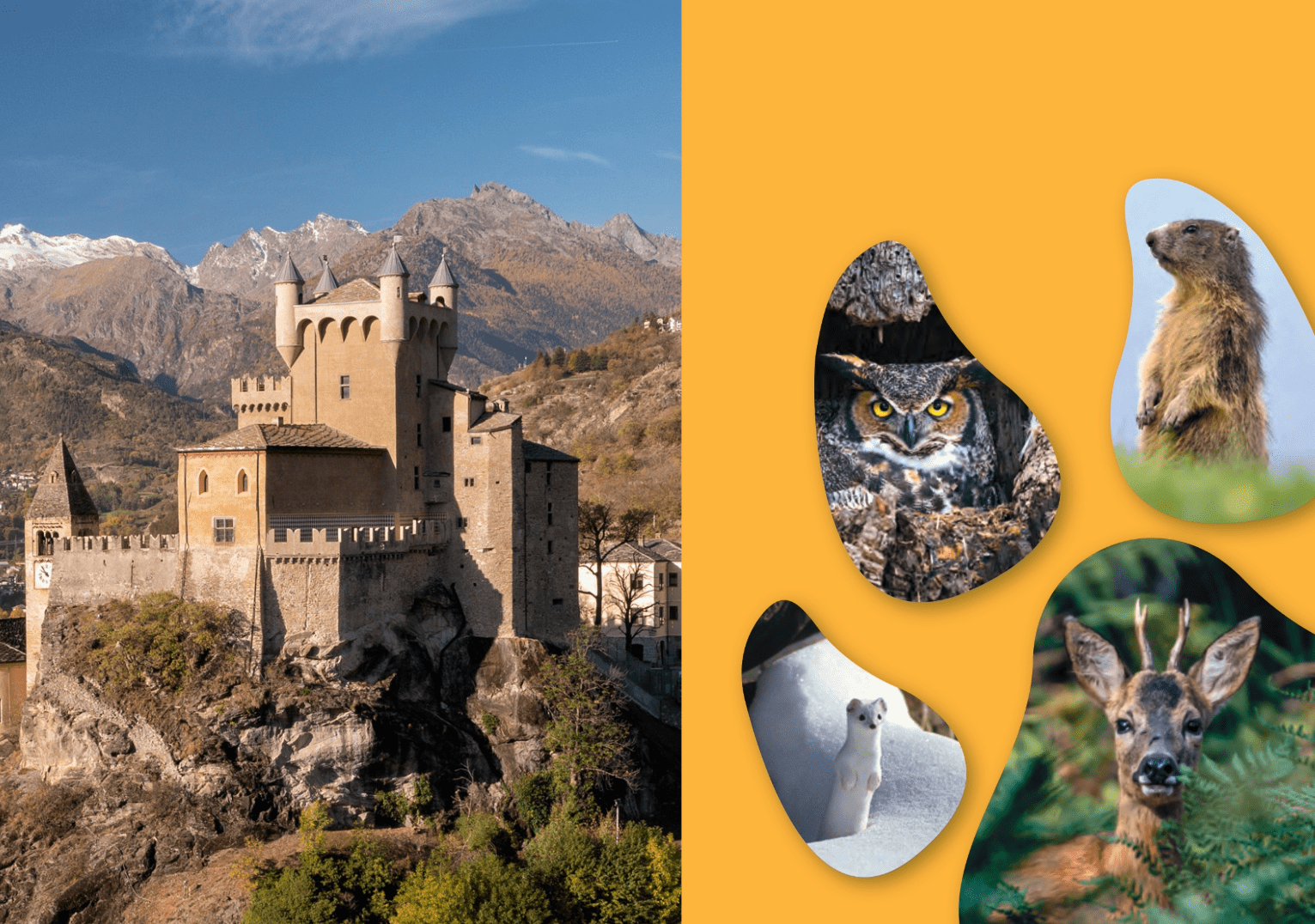
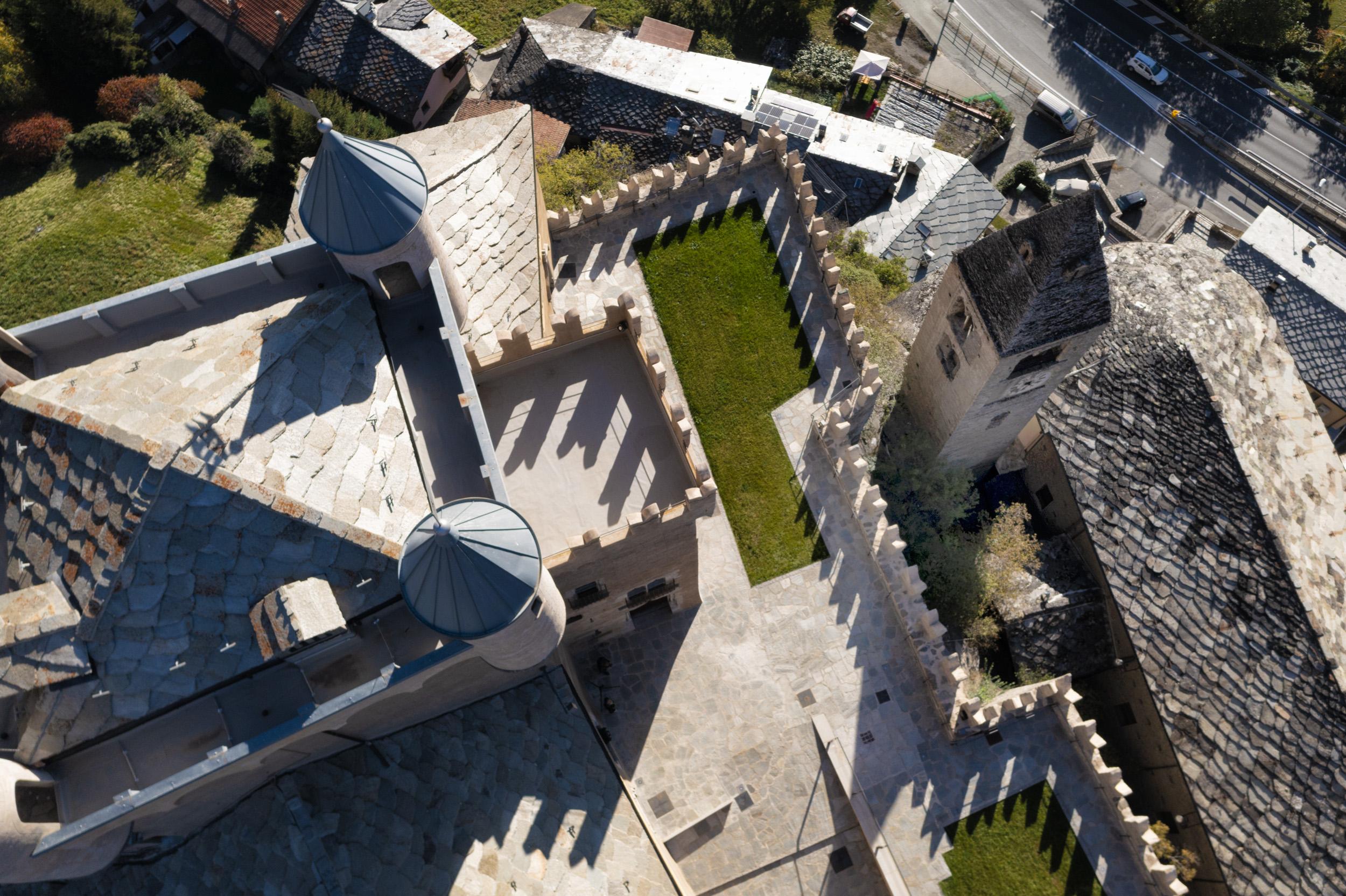
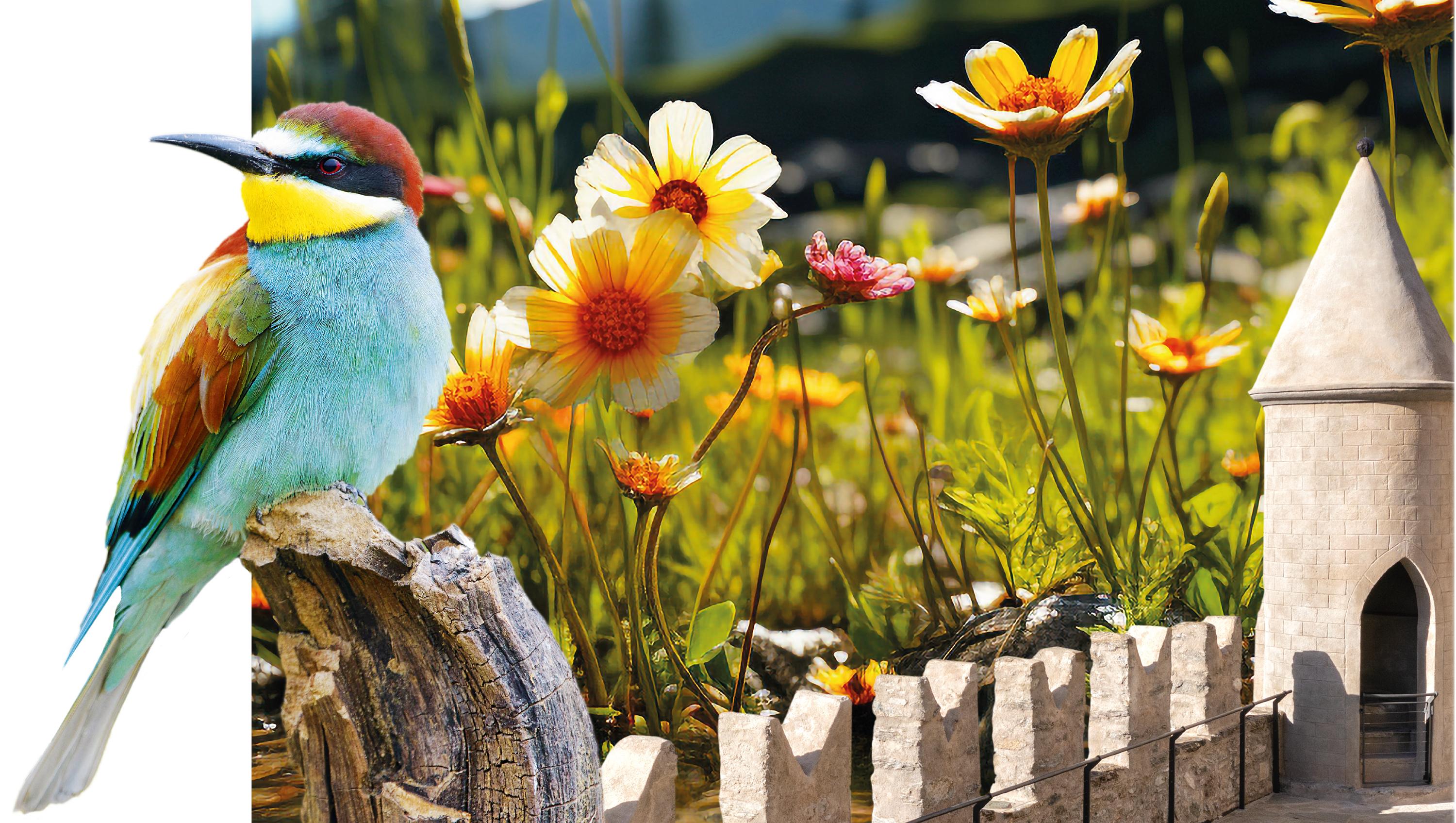
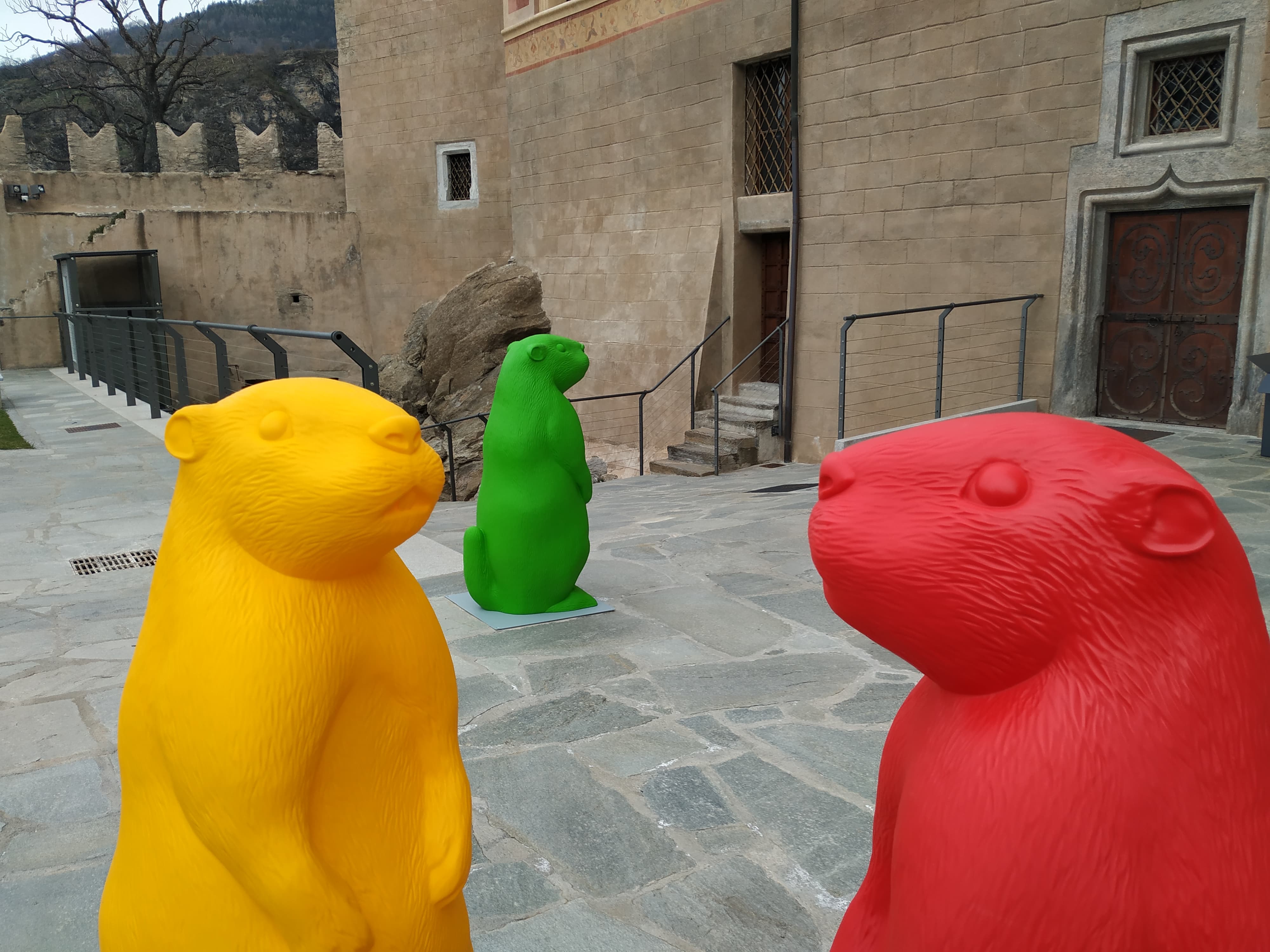
The castle itself is an integral part of the narrative: the historic rooms with their 16th-century fireplaces, the neo-Gothic decorations commissioned by Baron Bollati in the 19th century, and the medieval towers offer a unique architectural setting that transforms every visit into a dual experience: both naturalistic and historical.
Guided Tours: The Best Way to Explore the Museum
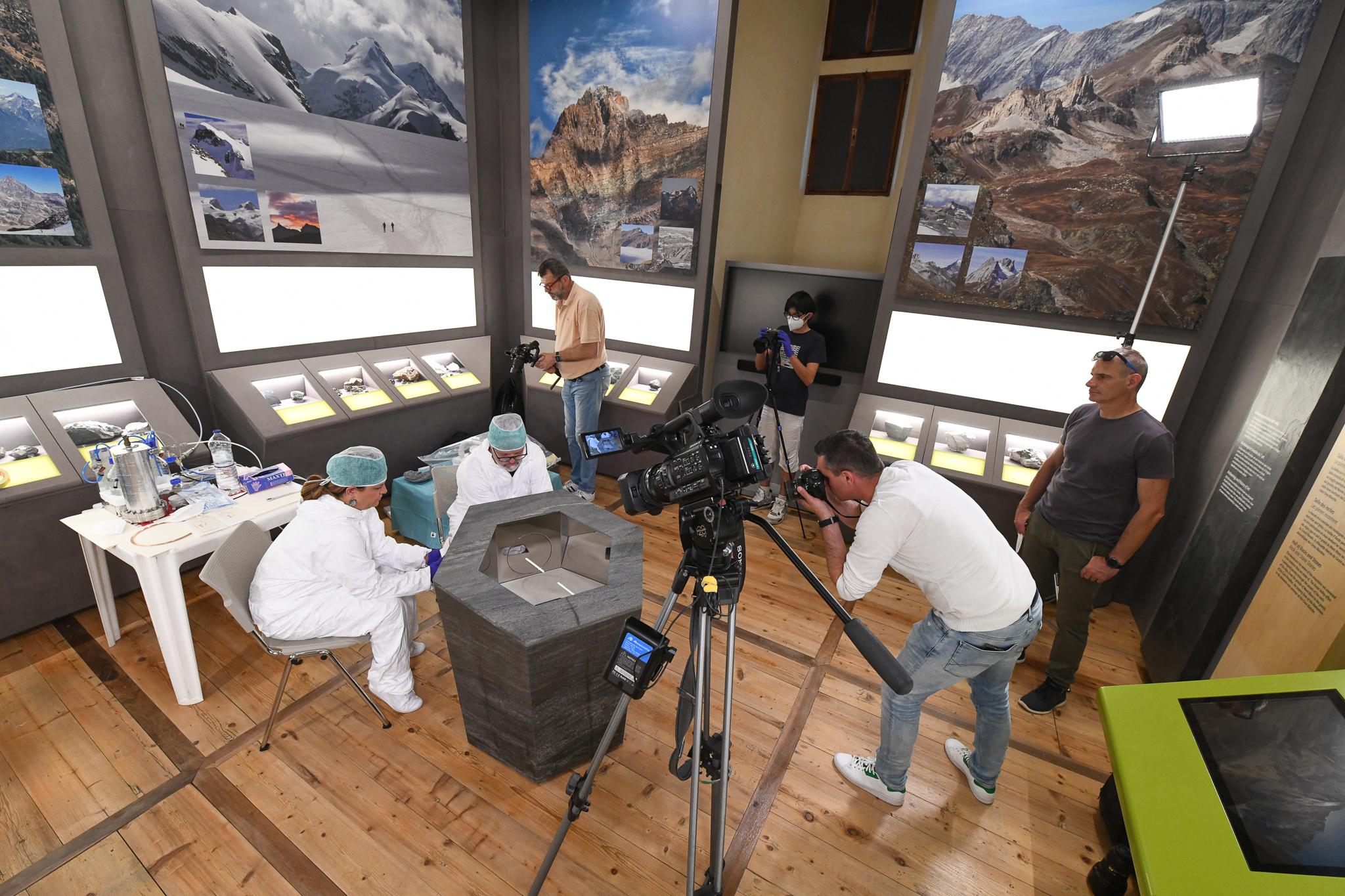
For those who wish to delve deeper into their visit, the Museum offers guided tours led by expert staff who guide visitors through the exhibition. Guided tours are the best way to grasp the connections between the different galleries, understand the significance of the artifacts on display, and gain a richer and more comprehensive understanding of the Aosta Valley region.
Photo: RAVA Archives