The Museum’s Scientific Activities
How the Saint-Pierre Museum Preserves the Future of Alpine Flora
Estimated reading time
5
Epilogue of the series on the Museum’s scientific activities: The connections between the laboratories of the Efisio Noussan Museum and why together they study Aosta Valley’s nature as an integrated ecosystem
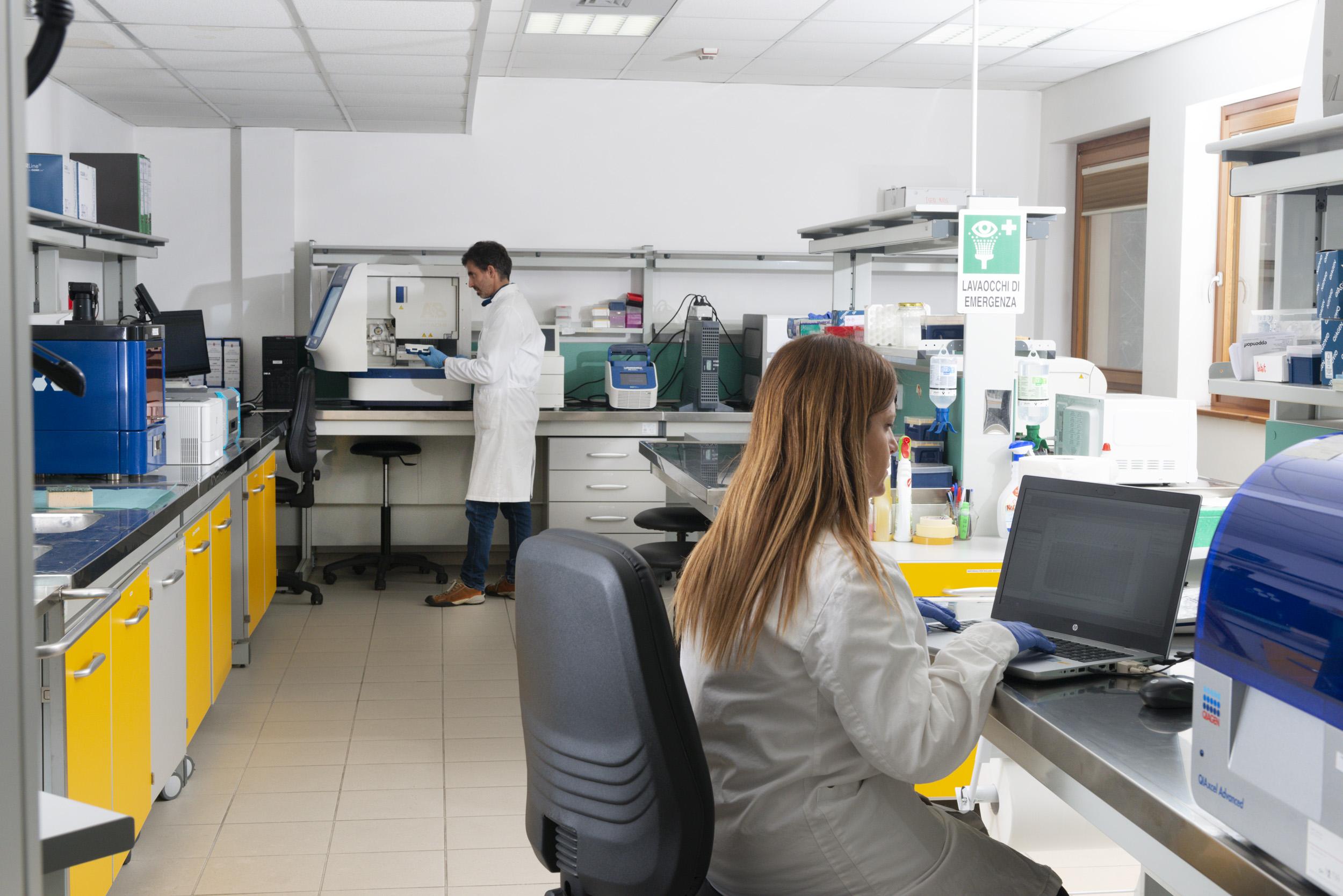
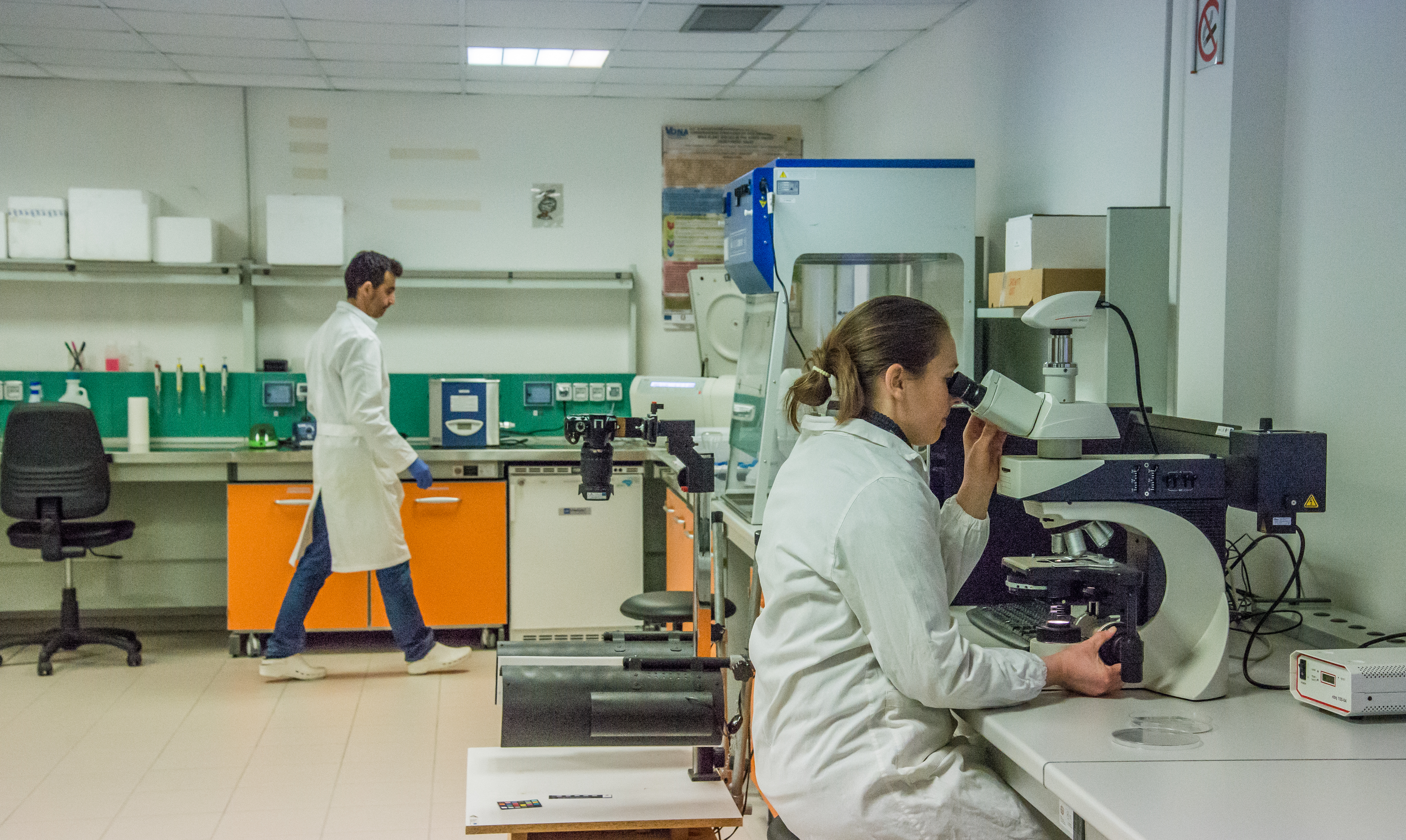
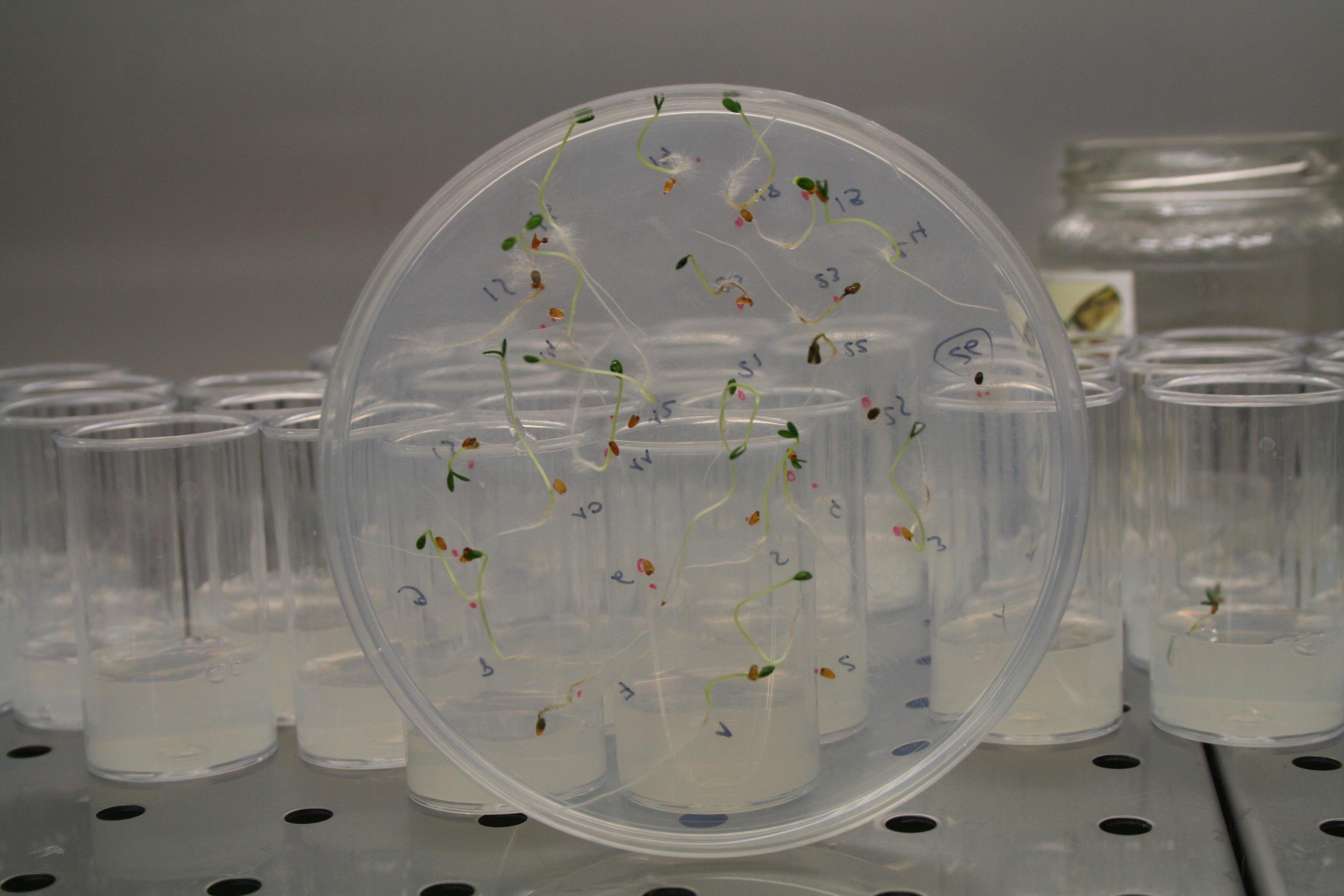
In recent weeks, the Laboratories series has described, one by one, the main scientific activities of the Efisio Noussan Regional Museum of Natural Sciences in Saint-Pierre: the biotechnology laboratory, specialized in DNA sequencing; the Plant Germplasm Bank (Seed Bank), which preserves the seeds of about 80 Aosta Valley plant species at minus 20 degrees Celsius; and the abiological sector, dedicated to the observation of Alpine minerals through an optical microscope with a transmitted light polarizer.
Different tools, different skills, physically separate rooms. Yet not independent entities.
How the Biotechnology Lab Informs the Germplasm Bank
The most direct connection among the three laboratories is the one between the biotechnology lab and the Germplasm Bank. Preserving the seeds of a rare plant species is a scientifically useful operation only if the collected material is representative of the genetic variability present in the territory. To know how many distinct populations of a species exist in Aosta Valley, and how genetically different they are from each other, DNA analysis is required.
This is precisely what the biotechnology lab produces through DNA genotyping techniques: the genetic characterization of the plant populations to be preserved. This information supports multiple decisions: where to collect seeds, in what quantity, and from how many different individuals, to ensure that the Germplasm Bank preserves the species’ genetic variability and not just a local sample of it.
Without this connection, germplasm conservation would risk preserving only one of the populations present in the area, losing the genetic diversity that is the real heritage to be protected.
The Shared Methodological Logic
The biotechnology lab and the section for microscopy applied to mineralogy have no direct operational connections: one studies the DNA of living organisms, while the other deals with the microscopic observation of thin rock sections. However, they share a precise methodological structure that is worth recognizing.
Both start with a physical sample collected in the field: a hair found on a fence, or a section of rock taken from an outcrop. Both subject that sample to analytical preparation that transforms it into something observable with specialized instruments: DNA extraction and amplification in the first case; the reduction of the rock to a 30-micrometer thin section in the second. Both produce information that could not be obtained with the naked eye: the genetic sequence of a species, or the mineralogical composition of a rock.
This common structure (sampling, preparation, instrumental analysis, interpretation) is the core logic of natural science research applied to completely different scales and objects. Recognizing it helps us understand why these three scientific fields, although different, belong to the same institution and share the same mission.
A System Studying an Ecosystem
The deepest reason why these scientific fields form a system is that the nature they study is itself a system. Rocks determine the chemical composition of soils. Soils determine which plant species can grow in a given environment. Vegetation determines the availability of food resources and habitats for wildlife. Geology, flora, and fauna are not three separate domains of Aosta Valley’s nature: they are three levels of an ecosystem where each element influences the others.
The microscopy sector observes rocks. The Germplasm Bank and the biotechnology lab study flora. The biotechnology lab also studies fauna through non-invasive genetic monitoring. Three areas covering three levels of the same ecosystem, with different tools and different expertise, but with a common goal: understanding how the Aosta Valley territory functions and how it is changing under the pressure of climate change.
Closing of the Column
This brings us to the conclusion of the Laboratories series. It is not the conclusion of the work that gave rise to it: the Museum’s scientific activities continue to function every day behind the castle rooms, producing data and knowledge that fuel research on Aosta Valley’s biodiversity.
What visitors see in the exhibition rooms—such as taxidermy animals, minerals, entomological collections, and herbaria—is the visible result of work with much deeper scientific roots, ranging from the early studies of the abbés savants to the most advanced scientific research undertaken by the Museum in recent years.
Photo: RAVA archive