
Studying the Wolf Through Genetics
Chaima Chifa talks about her internship at the Regional Museum of Natural Sciences.
Estimated reading time
5
My name is Chaima Chifa, and I am a first-year student in the Master’s degree program in Pharmaceutical Sciences and Health Products at the University of Nantes.
As part of my studies, I had the opportunity to complete an internship at the Biotechnology Laboratory of the Efisio Noussan Regional Museum of Natural Sciences.
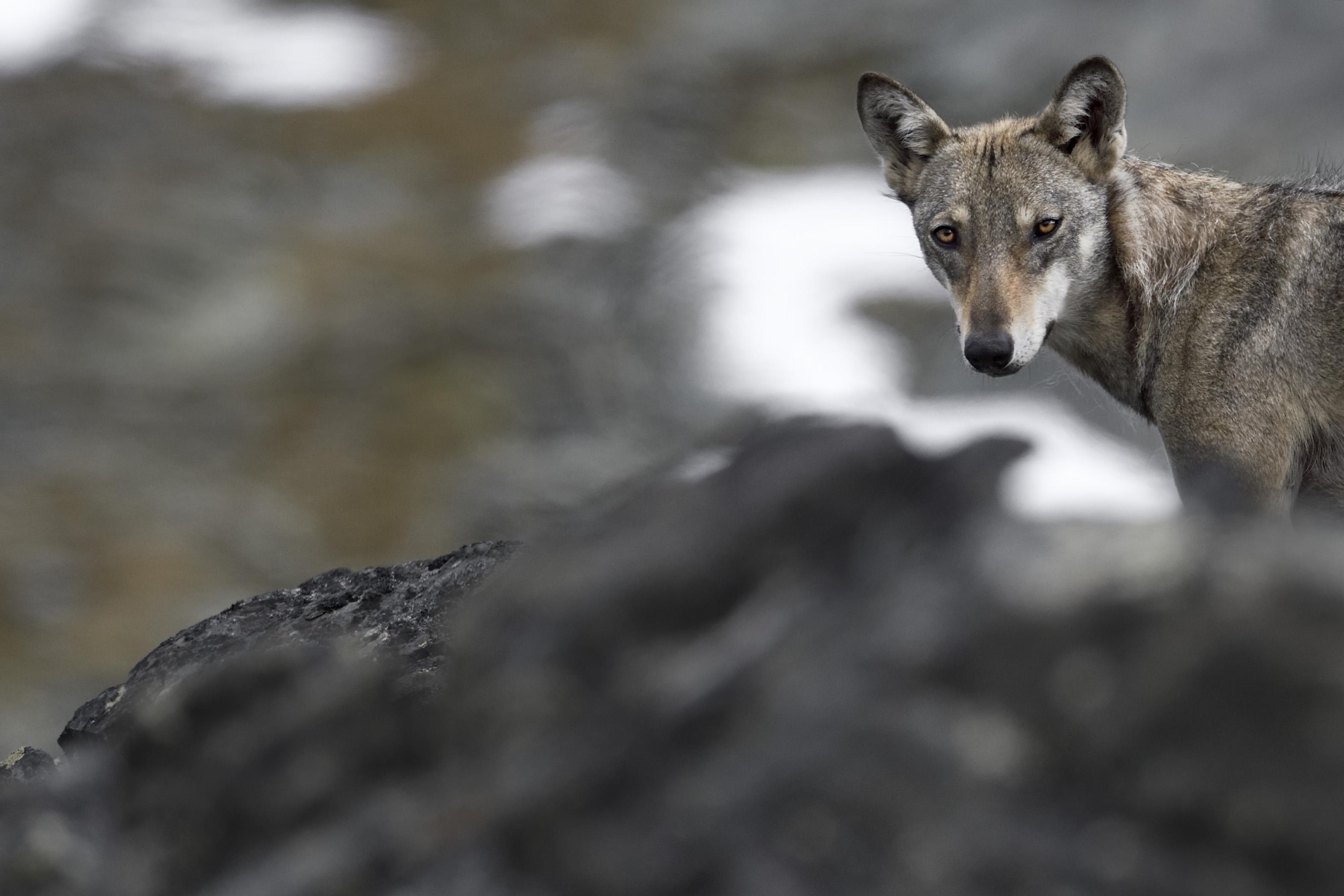
I worked on a non-invasive genetic monitoring project on the Italian wolf—an experience that allowed me to apply what I had studied at university and gain hands-on experience in the world of research.

Why did you choose to carry out your internship at the Efisio Noussan Regional Museum of Natural Sciences?
When I started looking for an internship, I wanted to find a laboratory where I could gain practical experience in molecular biology. The wolf project immediately seemed very interesting because it combined genetics, research, and environmental conservation.
I was intrigued by the idea that, starting from samples collected in the field, it was possible to obtain important information about the wolf population in the Aosta Valley. Furthermore, the Museum’s laboratory offered me the opportunity to learn techniques that I had mainly studied from a theoretical perspective.
What was the main goal of your internship within the context of your degree program?
The main objective was to deepen my understanding of laboratory techniques and learn how they are applied in scientific research.
During my internship, I worked on analyzing non-invasively collected biological samples, taking care of DNA extraction, PCR, and subsequent genetic analyses.
It was a practical way to develop skills that are useful not only in wildlife research, but also in the fields of biotechnology and molecular biology, which represent the sectors where I would like to work in the future.
Can you tell us about your experience at the Museum?
It was a very positive experience. At first, I was excited and a bit nervous because it was the first time I was working for several months in a research laboratory, but right from the first few days, I felt welcomed and supported.
I learned how to use various laboratory instruments, follow protocols rigorously, and understand how crucial precision is when working with biological samples. I also enjoyed seeing how each phase of the work contributes to obtaining reliable results.
Every day was an opportunity to learn something new.
What did this experience leave you with in terms of professional and personal growth?
This internship helped me grow a lot.
From a professional standpoint, I gained greater confidence in laboratory techniques and learned to work more independently.
From a personal standpoint, I realized how important patience, organization, and collaboration with colleagues are.
It was also an experience that gave me more confidence in my abilities and helped me realize that research is an environment where I feel comfortable.
Do you think this experience will influence your future career choices?
Before starting the internship, I was already interested in molecular biology, but this experience strengthened that passion even further.
I would like to continue my career path in a research laboratory or in a biotechnology or pharmaceutical company, where I can make good use of the skills I am acquiring during my Master’s degree.
I think this internship was an important step toward better understanding the direction I want to take in my professional future.
Foto: