Behind the Showcases of the Saint-Pierre Museum
Laboratories Where Aosta Valley Biodiversity Research Is Underway
Estimated reading time
5
DNA barcoding, plant germplasm bank, microscopy: the Efisio Noussan Regional Museum of Natural Sciences is not just a place where collections are preserved, but an active research center in the Aosta Valley territory.
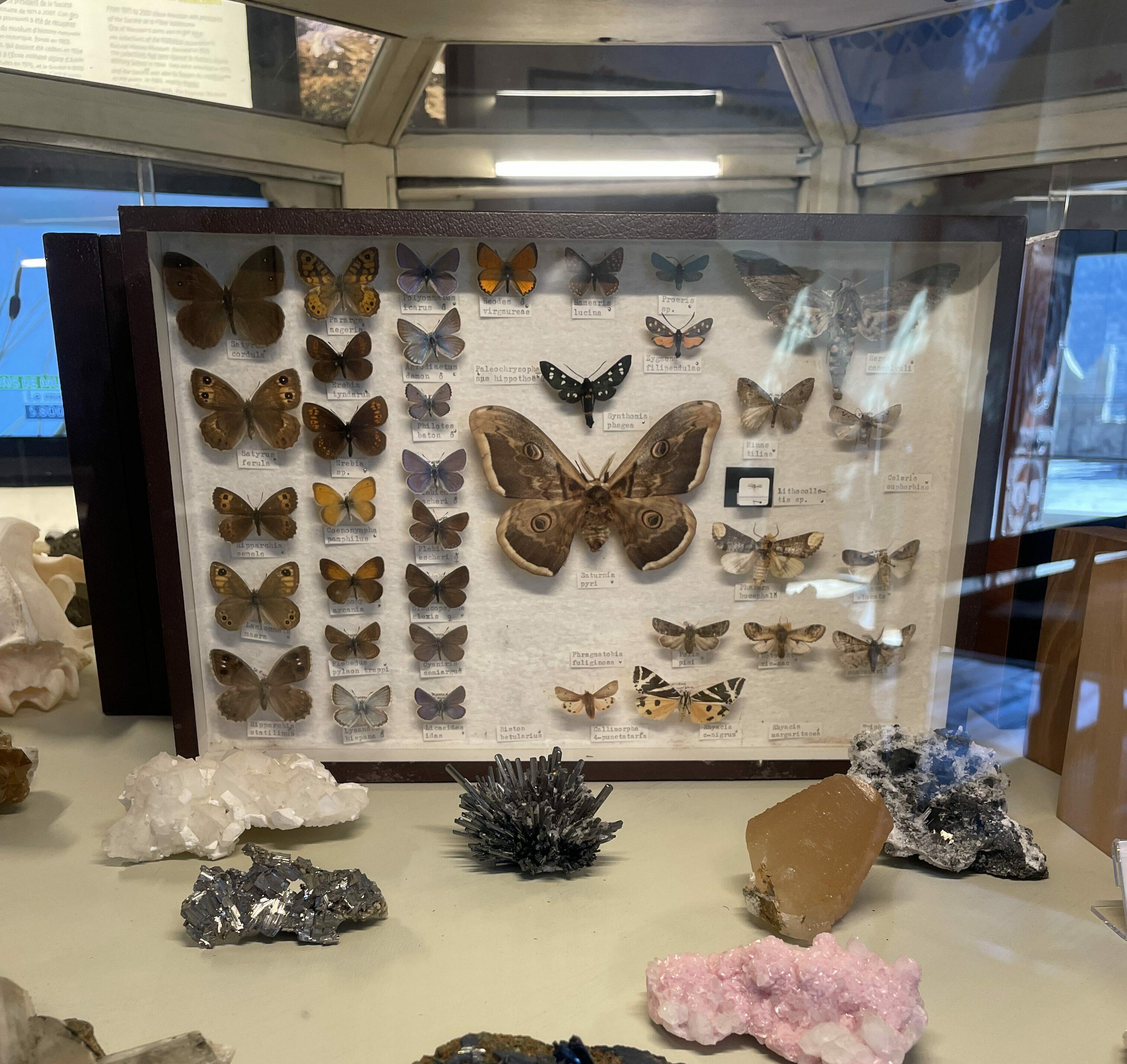
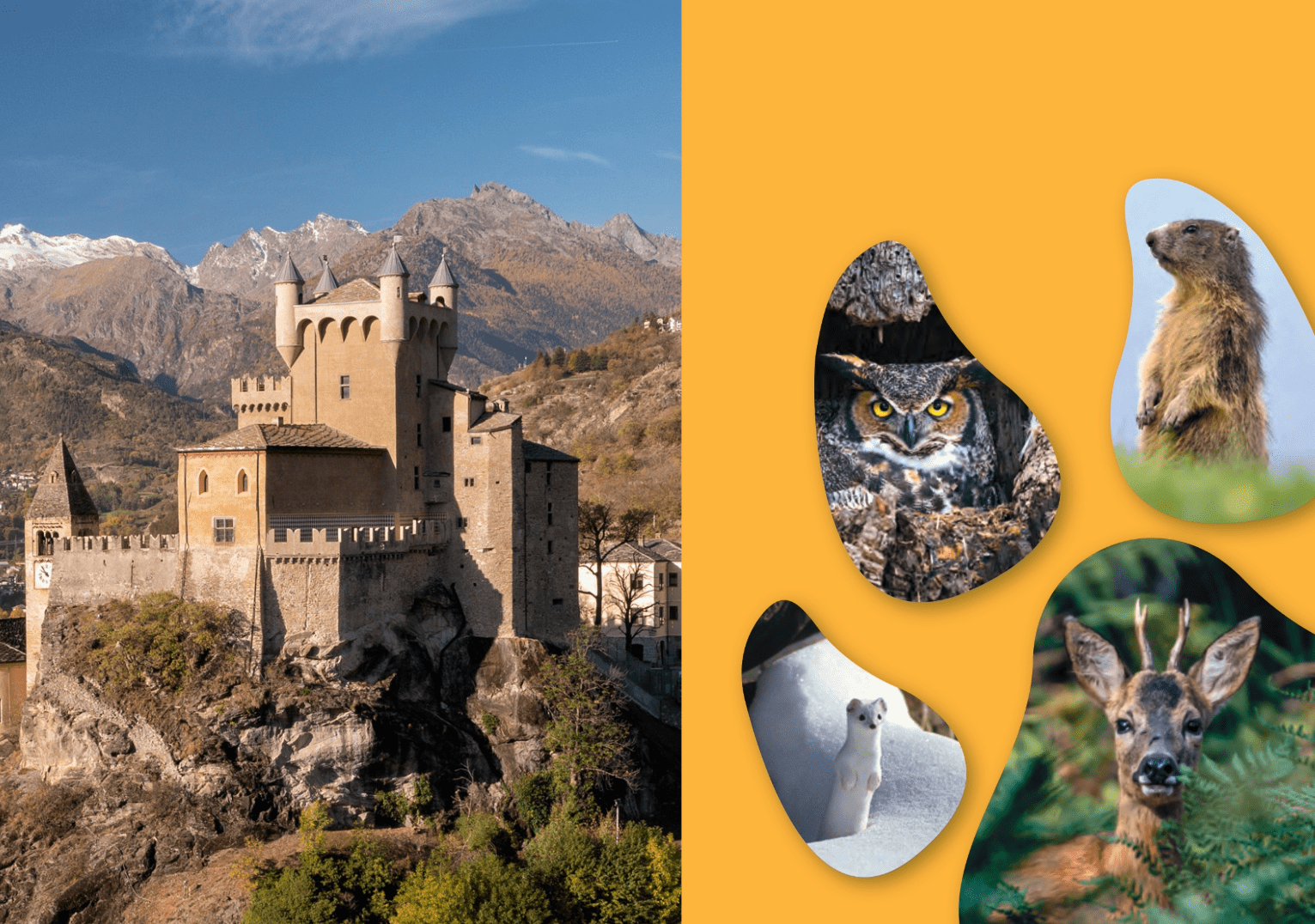
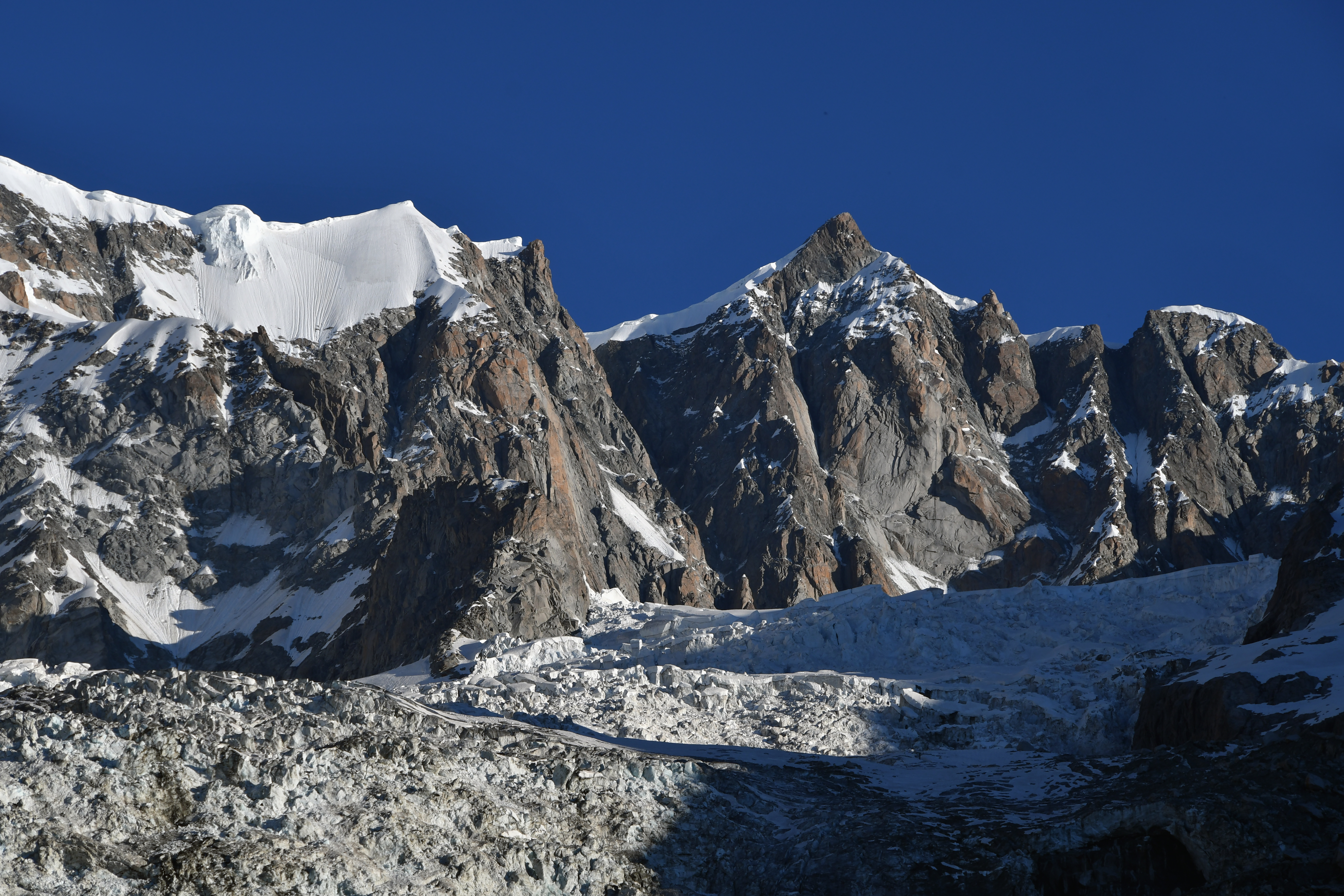
Visitors to the Efisio Noussan Regional Museum of Natural Sciences in Saint-Pierre walk through sixteen rooms that tell the story of Aosta Valley nature through collections, dioramas, taxidermy specimens, and multimedia supports. It is a journey taking you from Alpine geology to aquatic ecosystems, from nocturnal forests to glaciers, from mining tradition to high-altitude meadow biodiversity. A museum, seemingly, just as you would expect a museum to be.
What most visitors do not see is what happens beyond the exhibition rooms.
An Active Research Center
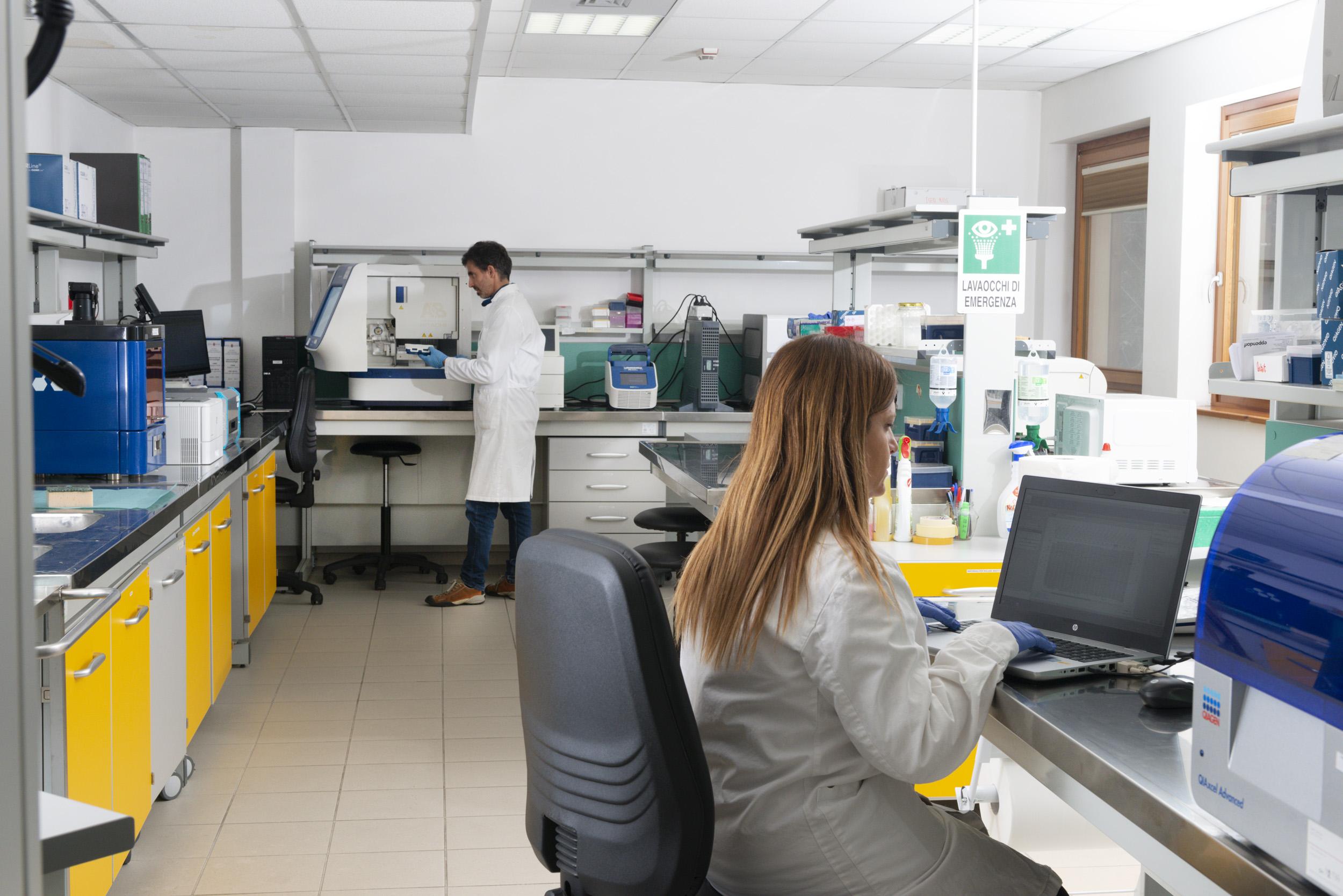
The Efisio Noussan Regional Museum of Natural Sciences is not just a place where natural history collections are preserved and displayed. It is also a scientific institution with its own laboratories, permanent research staff, and active research projects throughout the Aosta Valley region. Technologically advanced laboratories work every day on topics ranging from the genetic analysis of animal species to the conservation of plant heritage.
It is a side of the Museum little known to the general public, who often associate natural history museums exclusively with their exhibition function. In reality, the separation between collections and research has never existed in the history of natural science museums: collections were born from field research, and research continues to draw nourishment from collections as a historical archive of biodiversity.
The Biotechnology Laboratory: Reading the Territory’s DNA
The biotechnology laboratory specializes in DNA sequencing and molecular biology analysis. Using a capillary sequencer and DNA barcoding techniques, the laboratory is able to identify an animal, plant, or fungal species starting from a non-invasively collected biological sample from the field: a hair, a leaf, droppings, or a soil sample.
The laboratory is structured into three physically separated areas, defined according to the risk of DNA contamination: the NO DNA AREA, where reaction mixes are prepared while keeping contamination risk to a minimum; the LOW DNA AREA, where samples are registered and DNA is extracted; and the HIGH DNA AREA, where DNA is amplified, sequenced, and analyzed. Physical separation is not a formal matter, but a necessary requirement for producing scientifically reliable results.
Applications range from non-invasive genetic monitoring of Aosta Valley wildlife, including the wolf, to the genetic characterization of populations of rare and protected wild plant species, up to the development of traceability protocols for local agri-food products.
The Germplasm Bank: Preserving the Future of Alpine Flora
The Museum also houses the Plant Germplasm Bank of the Aosta Valley, a true archive that preserves over one million seeds and spores belonging to approximately 80 wild plant species native to the Aosta Valley . Some of these species are rare, while others are threatened by climate change or habitat loss: the Bank guarantees their ex situ conservation (outside their natural habitat) for potential future reintroduction or reinforcement efforts in the wild, should a species face the risk of extinction in nature.
The Bank is not a static repository. Periodically, staff carry out germination tests to check the viability of the stored material, and the seedlings produced during regeneration operations are earmarked for reintroduction into Aosta Valley Alpine botanical gardens. Since 2017, the Bank has been part of RIBES, the Italian Germplasm Bank Network for the ex situ conservation of wild Italian flora.
The Abiological Sector: Minerals Under the Microscope
The Museum’s laboratories are also equipped with an optical microscope with a transmitted light polarizer, also known as a petrographic microscope, for the analysis of mineralogical specimens. Unlike common biological microscopes, this instrument uses polarized light to reveal the optical properties of minerals: under crossed nicols, each mineral produces a characteristic combination of colors and optical behaviors that allows for precise identification.
To observe a rock under a petrographic microscope, it must first be transformed into a thin section: a rock slice reduced to a thickness of just 30 micrometers—about one-third the diameter of a human hair—which becomes translucent at that fineness and reveals its optical properties. This is the same technique used by geologists around the world to analyze the composition of Alpine rocks; at the Saint-Pierre Museum, it is applied to the observation of Aosta Valley minerals and the identification of items in the collections.
A Museum Looking Ahead
The laboratories of the Museum represent the less visible but no less important dimension of the institution: the side that transforms an archive of nature into a place where local knowledge is actively produced every day. The collections displayed in the exhibition rooms tell the story of Aosta Valley nature as it was and as it is. The laboratories work to understand how it is changing and how to protect it.
In the coming weeks, the “Laboratories” feature column will explore them one by one, highlighting technical details, ongoing projects, and the people who work there.
Photo: Archive RAVA